
AFRICAN & MIDDLE EAST NEWS
-

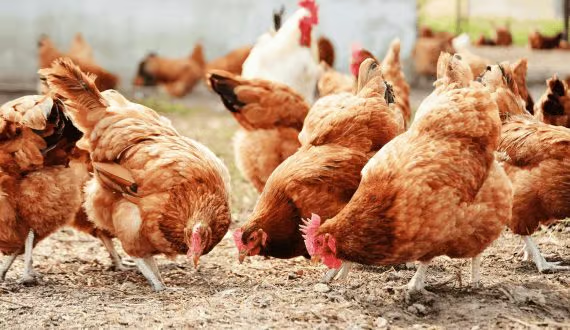
Bird flu outbreak ravages through South African poultry again
The resurgence is expected to renew pressure on South Africa’s agricultural and veterinary systems, especially with the industry still reeling from the effects of last year’s mass culling.
-
Kenyan counties invest in poultry projects to grow local meat, egg production
The poultry sector is increasingly seen as a viable path to economic inclusion, though its long-term success may depend on consistent investment and farmer support systems.
-
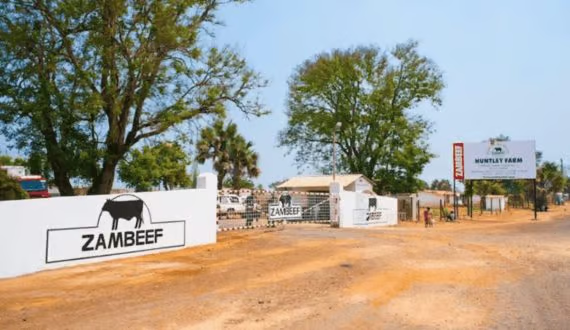
Zambeef Products PLC opens new US$15M poultry facility at Chisamba Huntley farm
The facility is intended to improve poultry health, support higher output, and reduce the environmental impact typically associated with conventional rearing methods.
-
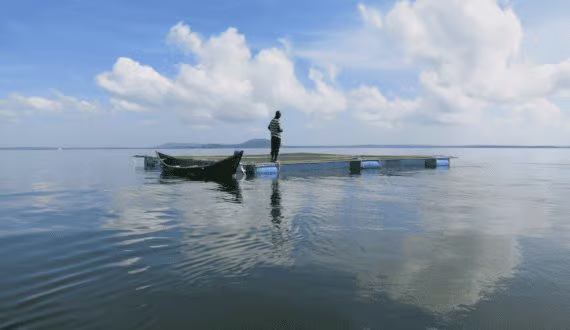
Ghana charts sustainable aquaculture future with new ASC partnership
The programme will support the development of a locally tailored Code of Good Practices (CoGP), adapted from ASC’s international Farm Standard, to reflect Ghana’s specific aquaculture context.
-
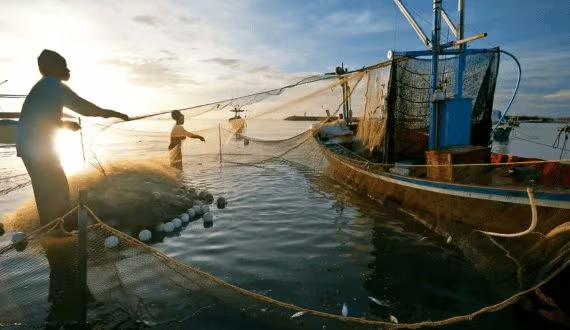
Guinea land US$131M investment to bolster climate-resilient fisheries
Guinea’s fisheries sector, which contributes 4.5% to the national GDP and supports nearly 7.5% of the population, faces growing risks from climate-induced sea-level rise, coastal erosion, and more frequent extreme weather events.
-
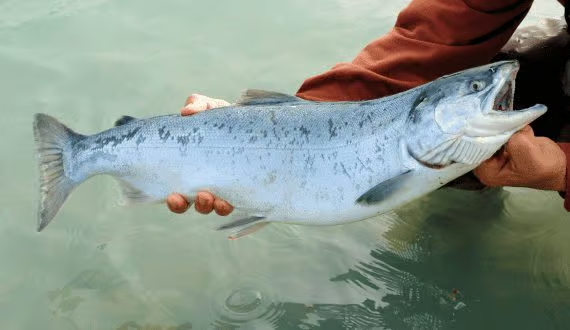
Africa hosts groundbreaking AQUAWEL conference to champion fish welfare
A recurring theme throughout the event was the urgent need to embed welfare in both policy and practice, and to shift industry mindsets from extractive models toward more ethical, inclusive systems.
-
USGC delivers first CSAP-certified corn fermented protein shipment to UAE
The shipment follows a commercial agreement finalized during Export Exchange 2023 in Austin, Texas, and further reinforced during the 2024-25 Corn Quality Rollout held in Istanbul.
-
IAOM MEA launches fully funded milling technology scholarship in Morocco
The program will offer a six-month intensive course in Advanced Milling Technology hosted at the Centre for Study and Research in the Cereal Industry (CERIC) in Casablanca, Morocco.
-
KMFRI invests US$7.7M to launch third national facility in Kakamega
The new centre is expected to serve not only Kakamega but also neighbouring counties in the Lake Region Economic Bloc (LREB), significantly boosting the region’s blue economy.
-
Zambia charts course toward continental fisheries policy alignment
The strategy aims to ensure food and nutrition security and foster inclusive economic growth through better policy and governance in the fisheries and aquaculture sectors.