
livestock diseases
-

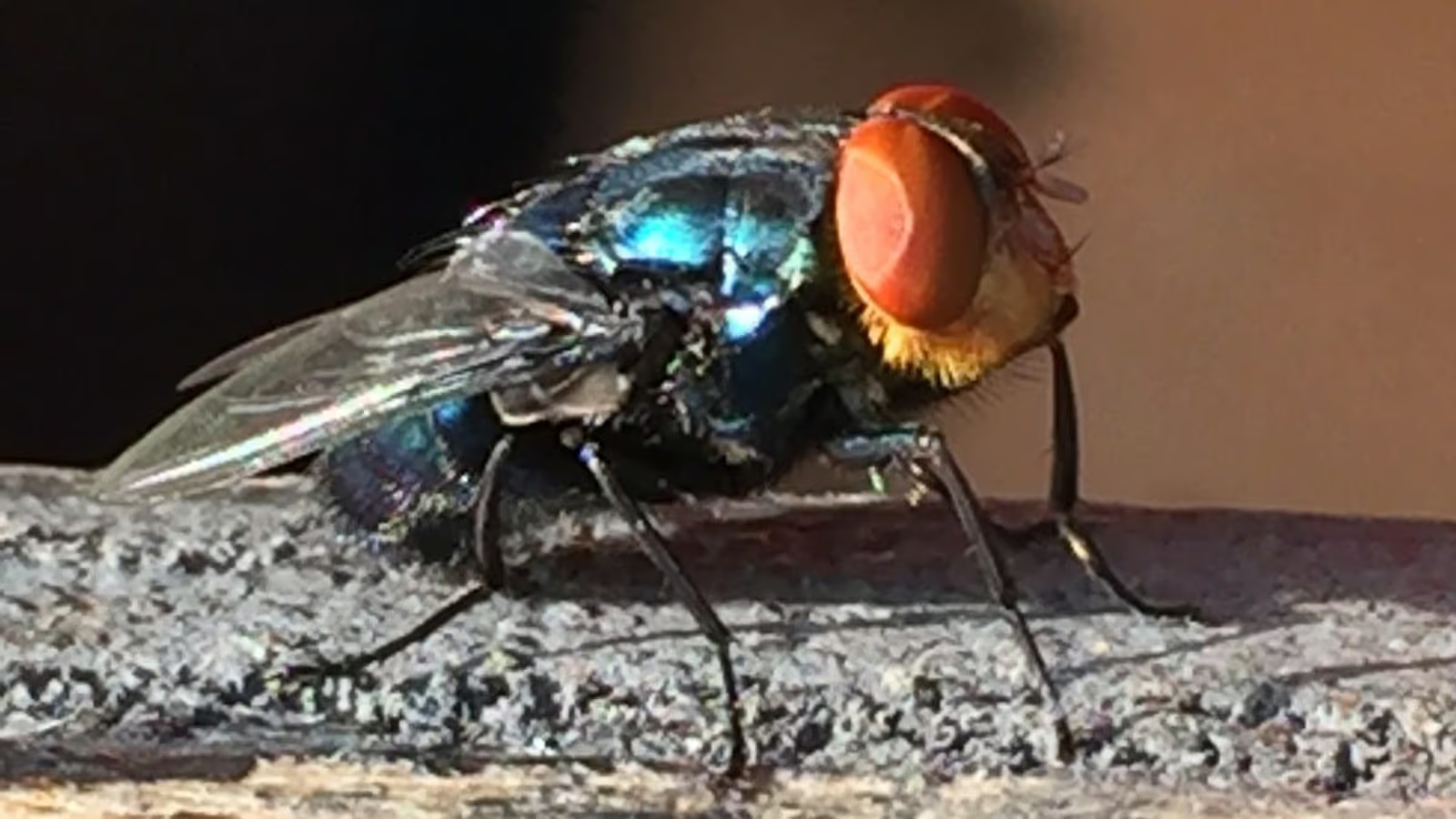
Arizona confirms first New World screwworm case in a dog
The detection in Cochise County marks the pest’s first confirmed case in the state.
-
Algeria suspends live cattle imports amid foot-and-mouth disease outbreaks
The indefinite suspension could affect livestock supplies for slaughter as the country faces rising beef demand and pressure on red meat prices.
-
Bovine tuberculosis affects 7.86% of Ethiopia’s cattle
A review of 34 studies identifies herd size, cattle age and breed as key risk factors, highlighting the need for stronger livestock surveillance and farm biosecurity.
-
France reports first human case of Shamonda virus
The death of a seriously ill patient has prompted investigations into a virus that primarily affects livestock, with potential implications for animal health and dairy productivity.
-
ECOWAS adopts regional strategies to combat livestock diseases
The 2026-2031 plans target foot-and-mouth disease, avian influenza and donkey health, with a focus on stronger cross-border surveillance and coordinated responses.
-
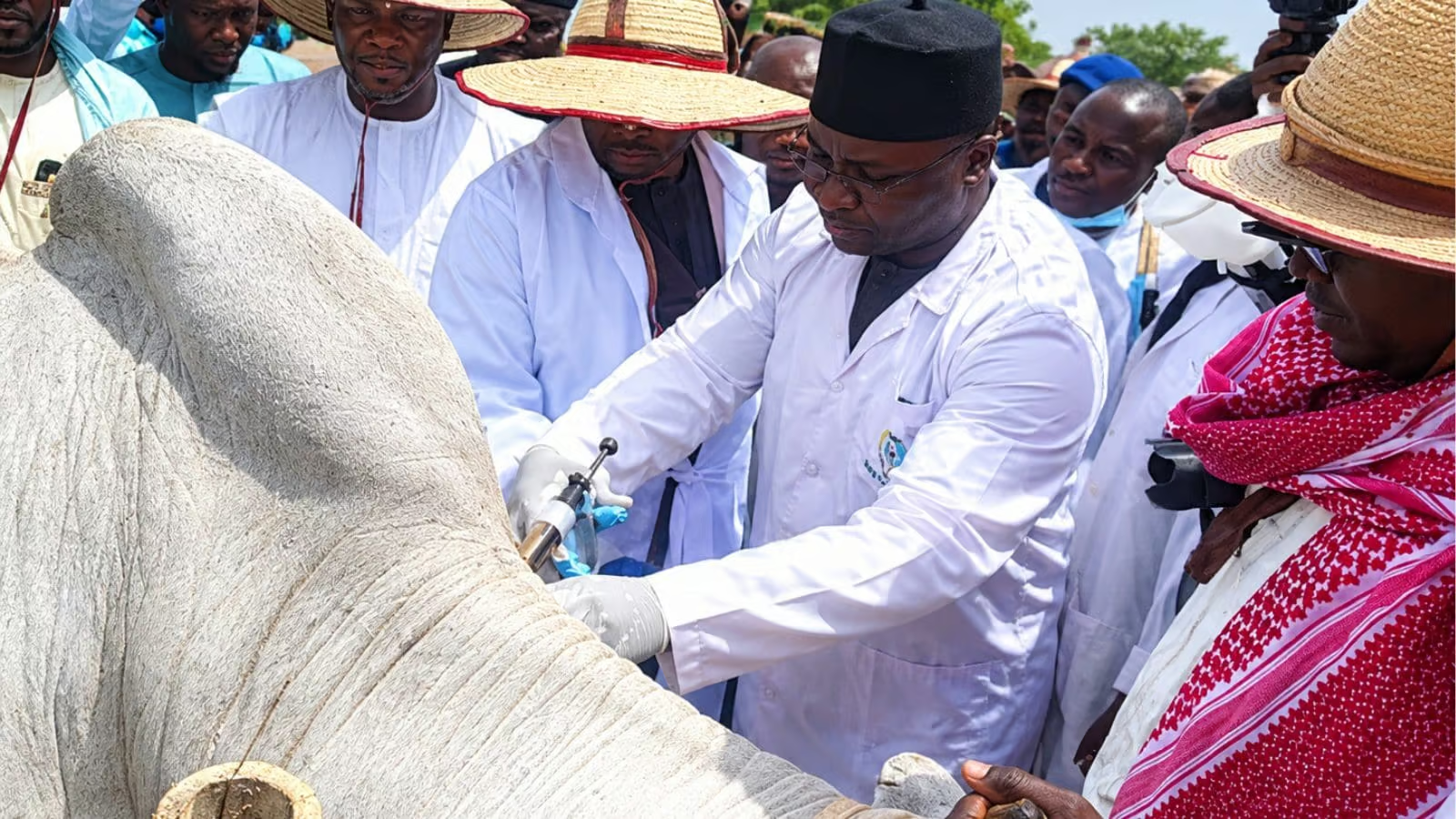
Nigeria launches three-week livestock vaccination campaign
The campaign targets three major livestock diseases, with teams set to cover all local government areas and local council development areas across the state.
-
Ethiopia prepares FMD vaccine trial to strengthen disease control
The January 2027 trial will generate evidence on vaccine performance under Ethiopian conditions, supporting future vaccination strategies and livestock productivity.
-
UK bluetongue cases surpass previous three seasons combined
The record outbreak is increasing pressure on farmers to monitor livestock and secure vaccines against the disease.
-
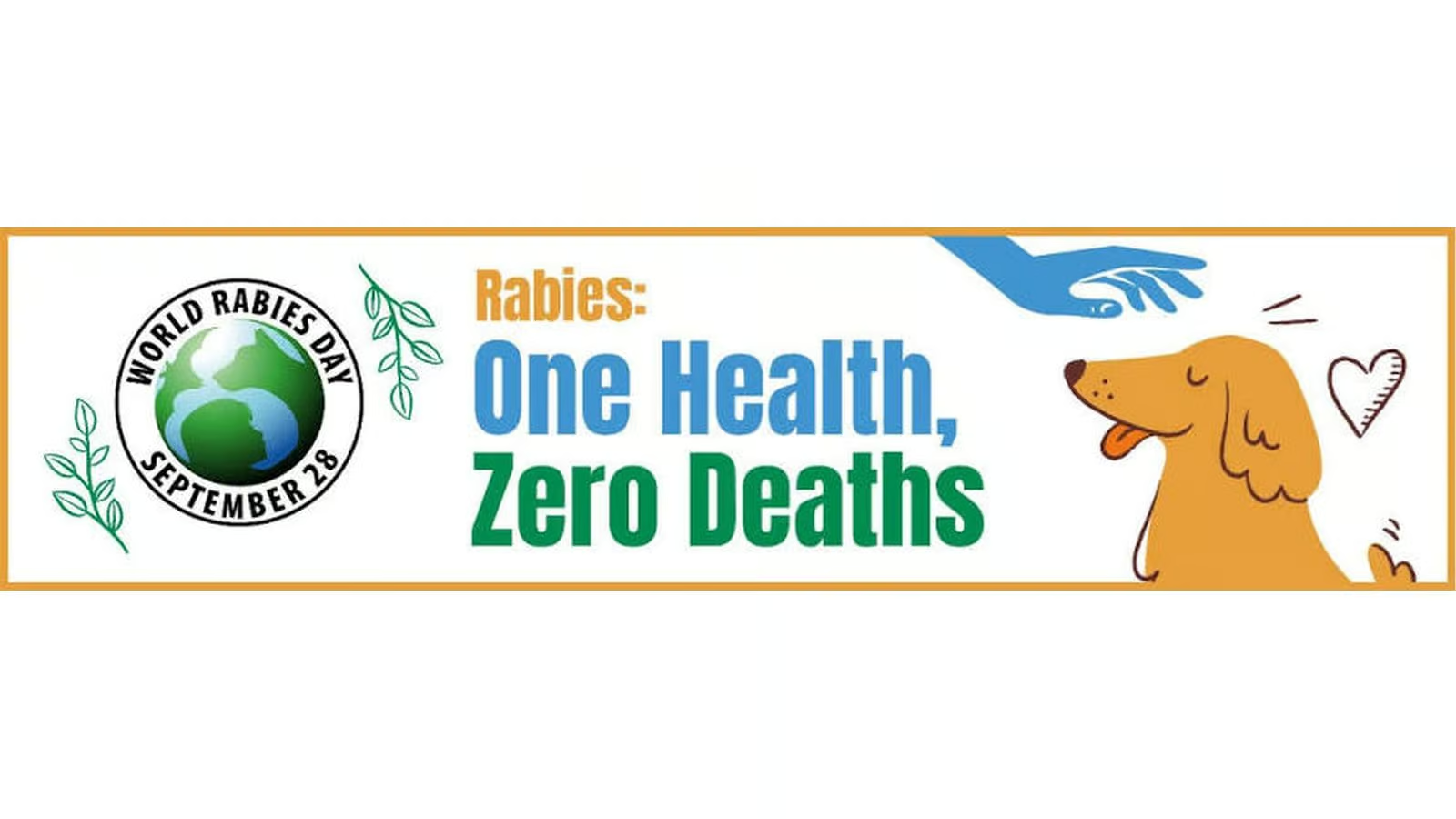
Rabies prevention needs stronger One Health action across Africa
On average, the data recorded 162 rabies cases and 84 deaths in dogs each year, compared with 53 cases and six deaths in humans.
-
Africa seeks US$2.26B to eradicate sheep and goat disease
The campaign would fund vaccination, surveillance and veterinary services to protect sheep and goats and strengthen rural livelihoods across Africa.