AFRICAN & MIDDLE EAST NEWS
-

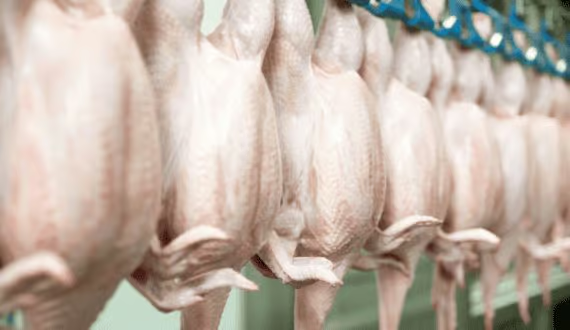
Jordan resumes poultry imports from Brazil after bird flu concerns eased
Meanwhile, Brazilian authorities have launched a diplomatic appeal to key trade partners, such as China and the European Union, to lift existing restrictions.
-
NARA, Côte d’Ivoire forge alliance to modernize animal feed and rendering sectors
By repurposing meat, fat, and other processing remnants, renderers employ diverse strategies to produce nutrient-rich animal protein meals that support pet and aquaculture nutrition.
-
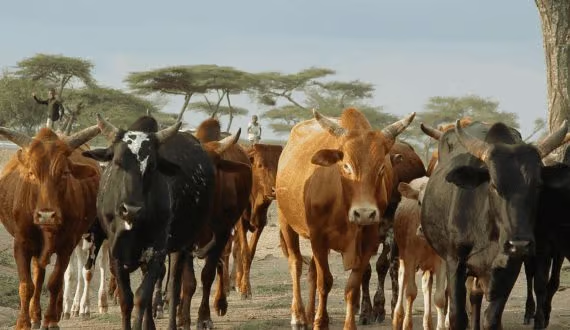
South Africa to launch local foot-and-mouth disease vaccine facility by 2026
Foot-and-mouth disease is a serious transboundary animal disease that deeply affects the production of livestock and disrupts regional and international trade in animals and animal products.
-
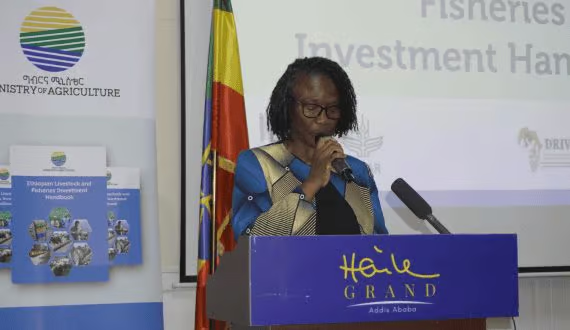
Ethiopia unveils investment guide to unlock livestock and fisheries potential
Ethiopia has the largest livestock population in Africa, underscoring its formidable capacity for producing meat, milk, eggs, and fish.
-
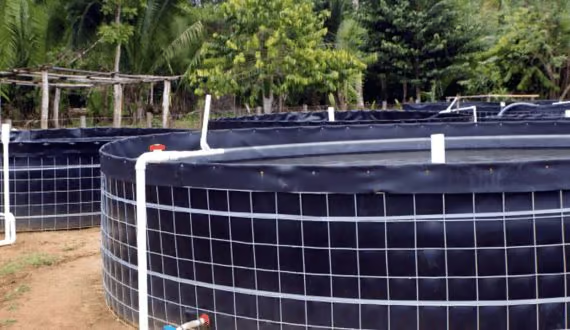
Nigerian government plans financing and insurance tools to scale up fish production
The plans are part of a broader plan to strengthen domestic fish production and reducing the country’s reliance on imports, usually averaging 833,000 tonnes annually.
-
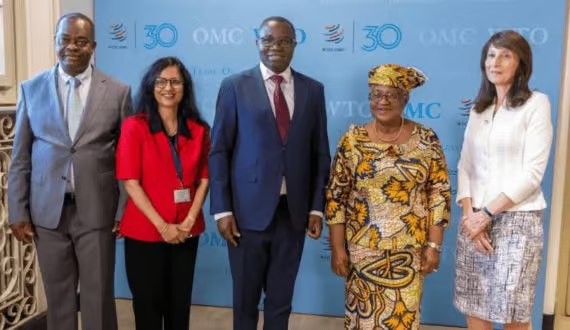
Democratic Republic of the Congo formally joins WTO fisheries deal, trade facilitation pact
The pact prohibits government support for fishing activities targeting overfished stocks and for fishing in unregulated high seas where no conservation measures are in place.
-
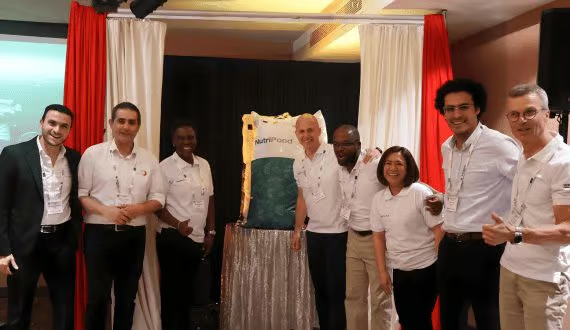
Skretting launches game-changing tilapia feeds at World Aquaculture Safari 2025
These new products aim to deliver tangible benefits to African fish farmers navigating a rapidly evolving aquaculture landscape.
-
South Africa steps up fight against foot and mouth disease
South Africa, which has zones free of FMD without vaccination, faces growing calls from producers to declare a “state of disaster” to mitigate the economic fallout.
-
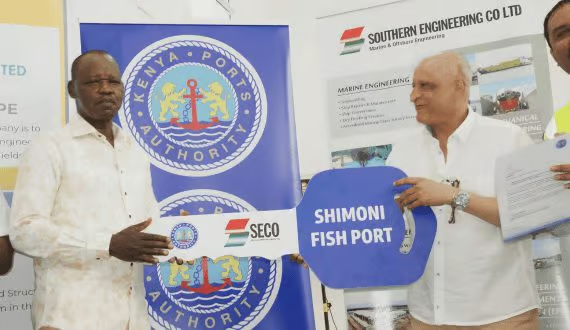
Kenya unveils US$20M Shimoni Fish Port to anchor blue economy drive
The Shimoni port project is one of the key development projects in the authority’s 30-year master plan and aims to improve Kenya’s marine competitiveness as an investment hub.
-
Nutrition at risk as UN declares intention to eliminate trans-fats from global diets – experts warn
While research shows that industrially produced trans-fatty acids contribute to NCDs, those found naturally in animal-source foods at low levels may even offer health-protecting benefits.