AFRICAN & MIDDLE EAST NEWS
-

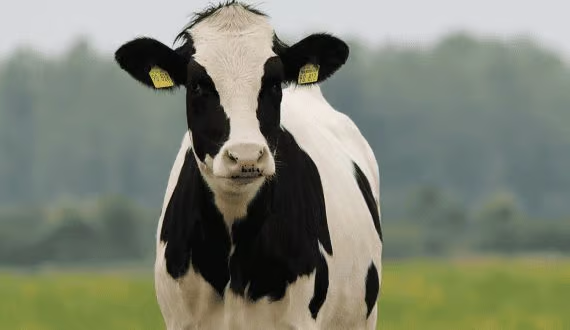
ILRI partners Kenyan government takes major step toward eradicating deadly cattle lung disease
This disease attacks the lungs of cattle and buffalo and spreads through airborne droplets from infected animals. It disease is endemic in Kenya, especially in pastoralist regions.
-
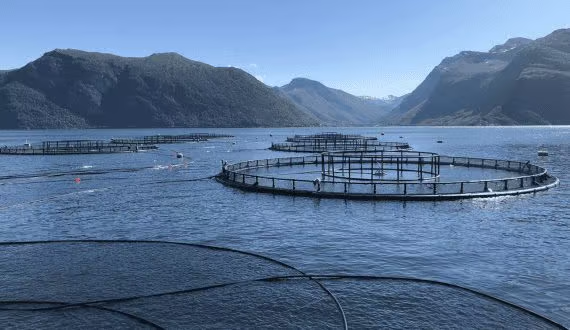
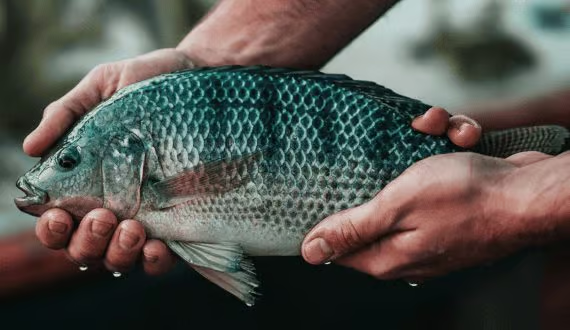
Tanzania secures US$227M from World Bank to boost aquaculture and climate resilience
The World Bank notes that Tanzania’s population is projected to reach 77.7 million by 2030, resulting in a doubling of fish demand.
-
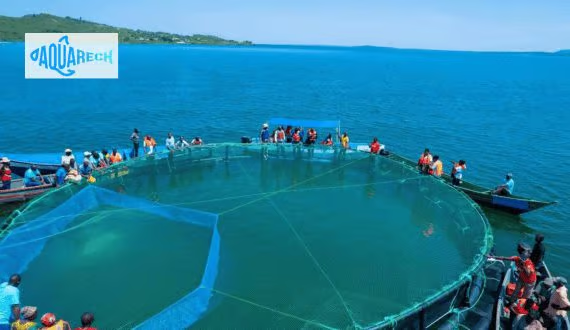
Siaya launches fish farming model to empower youth, women at Utonga Beach
The model allows Beach Management Units (BMUs), youth, and women groups to lease commercial-grade fish cages capable of holding 65,000 fingerlings.
-
World Aquaculture Safari 2025 Uganda unveils action-packed programme
WA25 Uganda will bring together over 400 speakers and participants, including leading scholars, industry experts, policymakers, and practitioners from around the world, to discuss solutions, trends, and policy innovations in aquaculture.
-
WorldFish launches US$10M genetically improved tilapia project in Kenya
The project aims to support Kenya’s ambitious goal of tripling its national fish production from the current 147,000 metric tons to 450,000 metric tons by 2030.
-
African women in aquaculture to take center stage at World Aquaculture Safari 2025
According to the Food and Agriculture Organization (FAO), although women make up nearly 70% of the global aquaculture workforce, their work is frequently undervalued in data systems, policies, and funding frameworks.
-
Ghana risks losing access to EU fish market over unsanitary fishing practices
The country has already received two yellow card warnings from the EU, first in 2013 and again in 2021, due to concerns over illegal, unreported, and unregulated (IUU) fishing.
-
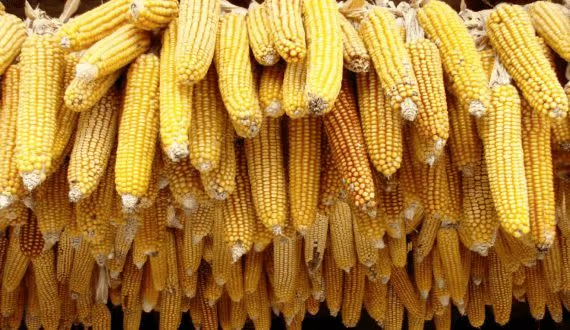
Kenya launches five-year strategy to eliminate aflatoxins
This project highlights Kenya’s commitment to safeguarding public health, enhancing food safety, and protecting livelihoods, particularly in the informal sector.
-
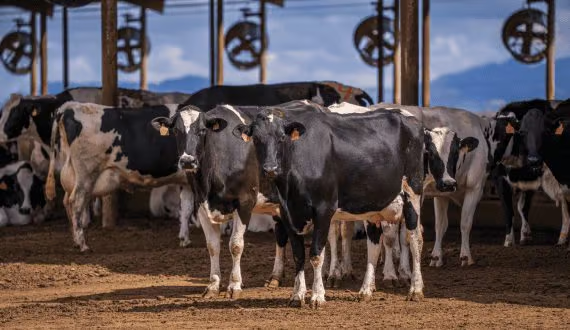
Foot-and-mouth disease outbreak threatens South Africa’s cattle industry
In response, the Department of Agriculture, Land Reform and Rural Development (DALRRD) has ordered over 900,000 doses of FMD vaccines, with the first batch expected to arrive next week.
-
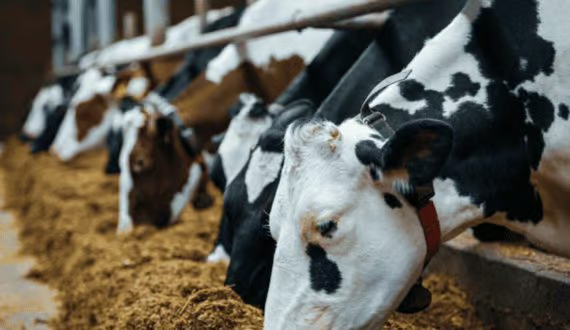
NIRSAL launches feedlot training as Nigeria prepares for US$2.5B JBS meat investment
NIRSAL’s Managing Director and CEO, Mr. Sa’ad Hamidu, said the training marks the start of a nationwide effort to modernise livestock rearing and meat processing practices in Nigeria.