
AFRICAN & MIDDLE EAST NEWS
-

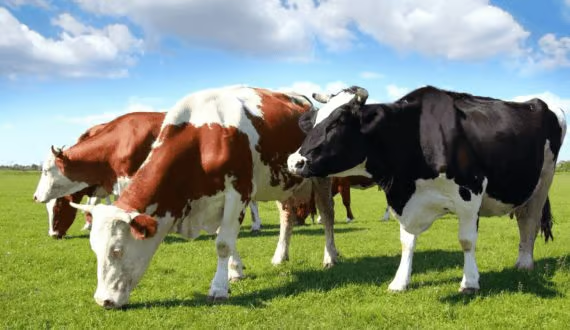
Machine learning study projects shifting livestock capacity in East Africa
By linking remote sensing with climate projections, the approach provides policymakers with an evidence-based roadmap for designing climate-smart interventions.
-
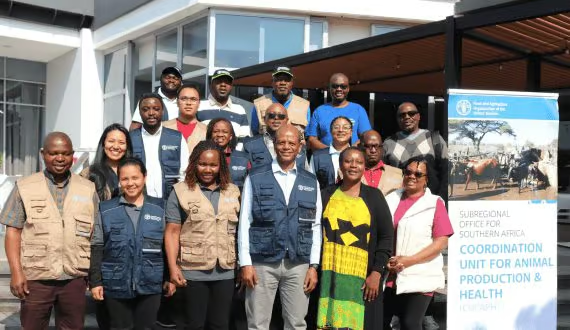
FAO strengthens animal health and production coordination in Southern Africa
FAO and CUFAPH aim to build resilient and sustainable livestock systems that support livelihoods and food security for millions across Southern Africa.
-
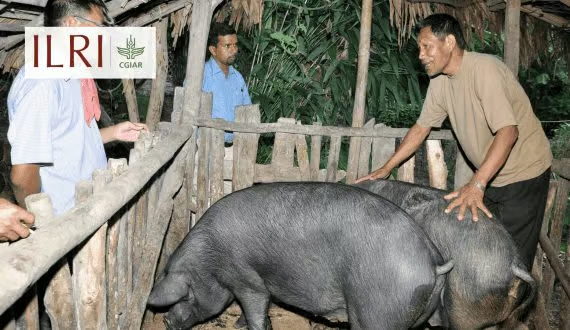
Researchers push for region-tailored vaccines to combat African Swine Fever
The scientists recommend further research into matching vaccines to virus types, while also exploring new vaccine designs that could provide broader protection.
-
Togo rallies investors to boost livestock sector with AfDB support
The pig, sheep, and goat subsectors are also expanding, but sustaining this growth requires large-scale investments in production, processing, and animal health infrastructure.
-
Solidaridad to lead Kenya’s methane reduction strategy in livestock sector
The outcome will be a national roadmap for reducing methane emissions in livestock, aligned with Kenya’s broader green agenda.
-
Zimbabwe’s aquaculture sector gets boost from local feed hubs
Black Soldier Fly larvae have a high protein content, ranging from 37% to 50% on a dry matter basis, making BSFL a sustainable protein source for livestock, poultry, and fish.
-
Bühler hosts fourth annual Student Career Expo to empower future industry leaders
Bühler conducts these expos to encourage students to pursue careers in sectors vital for global food production and industrial innovation.
-
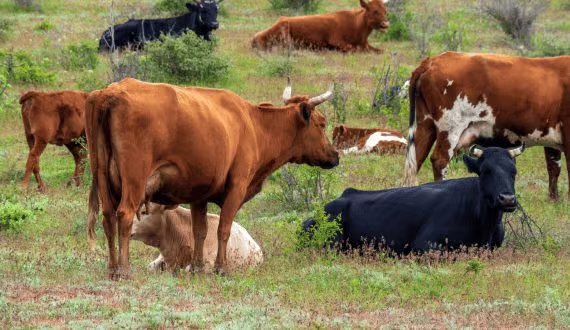
Algeria opens door to Brazilian sheep imports amid prolonged drought
Algeria’s livestock sector has been severely affected by prolonged dry spells devastating grazing rangelands and depleting fodder reserves.
-
Pirbright, GALVmed partner to develop new Rift Valley fever vaccine
The Pirbright Institute is a world-leading research and surveillance center for viral diseases of livestock and viruses that spread from animals to humans.
-
First Mills acquires Al-Manar Feed Company in US$20M deal
First Mills already produces animal feed in two of its factories, hitting over 300,000 tons of feed per year.