
New Tech Research and Market Trends
-

Tiba Biotech’s new vaccine shows complete protection against foot-and-mouth disease in cattle
If approved, this FMD vaccine could redefine livestock immunisation, combining cutting-edge RNA technology with practical storage stability.
-
New study ties fish disease to drug resistance in Lake Victoria
The study is the first in Lake Victoria to isolate and identify bacterial pathogens from a tilapia mortality event and assess their resistance to antibiotics.
-
U.S. researchers uncover genetic clue that could help stop foot-and-mouth disease
Innovative solutions are needed as foot and mouth disease (FMD) spreads rapidly among susceptible animals.
-
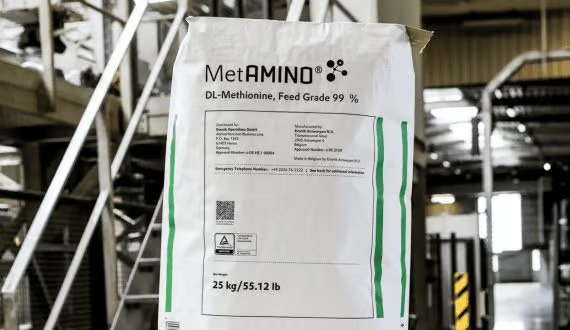
Evonik unveils greener packaging for MetAMINO to reduce plastic waste
This change will undoubtedly prevent 32 tons of polyethylene (PE) waste annually and reduce the packaging’s carbon footprint by 20%.
-
Skretting launches game-changing tilapia feeds at World Aquaculture Safari 2025
These new products aim to deliver tangible benefits to African fish farmers navigating a rapidly evolving aquaculture landscape.
-
Emerging economies to drive surge in animal-source food consumption and production: OECD-FAO report
The landmark report offers a medium-term forecast for global agriculture and fisheries, serving as a reference point for policy and investment decisions.
-
Saudi Arabia to prioritise smart farming to improve small livestock, meat production
The system identifies animals using facial features, tracks their productivity, monitors health, and stores farm records in one platform.
-
CRISPR-edited chicken cells boost virus yields for poultry vaccines
Currently, most poultry vaccines are produced using embryonated chicken eggs (ECE), a system burdened by high costs, ethical concerns, and supply chain vulnerabilities.
-
dsm-firmenich unveils GutServ® Biotix to strengthen piglet health from day one
The launch comes at a time when pig producers worldwide are grappling with the challenges of managing early-life stress in piglets, particularly during critical transition periods, such as weaning.
-
Global grain output set to hit record over 2B tonnes in 2025/26 – IGC
The forecast, released during the IGC’s 62nd Council Session held in London, underscores strong momentum in the grains sector, with total use also expected to climb by 2% year-on-year to 2.372 billion tonnes.