
New Tech Research and Market Trends
-

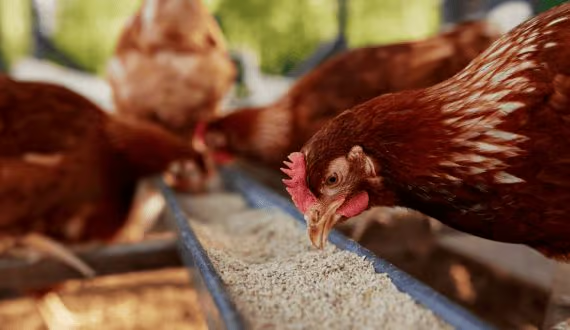
Mushroom biotechnology offers breakthrough in broiler feed efficiency
Identifying sustainable alternatives has become a priority for researchers and producers to offset the cost associated with soybean meal.
-
Japanese researchers pioneer rapid ASF test, South Korea reports new outbreak
The new Japanese approach instead uses 10 millilitres of oral fluid (instead of blood) per test, far more than the 50–200 microliters used in comparable test.
-
Global Methane Hub launches Time2Graze to help farmers cut livestock emissions
This new project will use satellite-guided grazing systems to boost livestock nutrition, improve productivity and reduce methane emissions.
-
FAI expands training to strengthen tilapia welfare worldwide
The new course complements FAI’s Tilapia Welfare App, which launched in Kenya earlier this year.
-
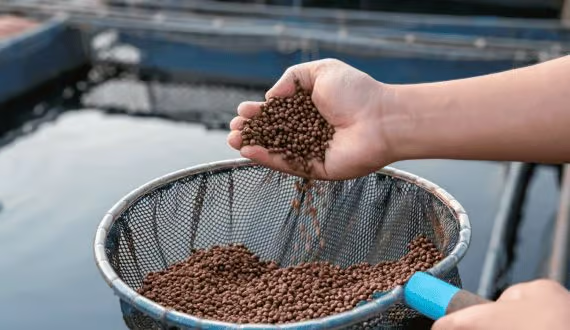
Researchers create “Virtual Fish” to revolutionize aquaculture feeding
The outputs from the system, dubbed FishmMet, include predictions of feed intake, gut transit times, growth efficiency, and even stress or motivation levels.
-
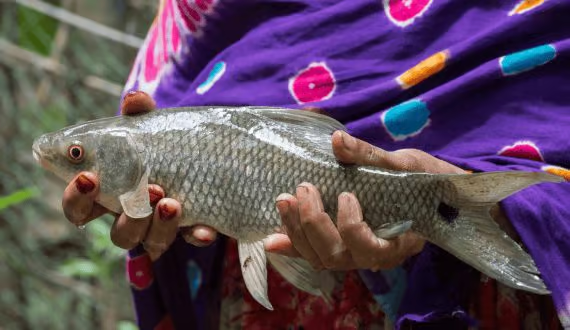
Rooibos boosts Tilapia growth in breakthrough study
The Rooibos–tilapia study underscores how South Africa’s biodiversity can fuel innovation in sustainable aquaculture, strengthening food security.
-
MSD Animal Health launches AI-powered sea lice and biomass monitoring system
FALCON, the newly-launched system, employs high-resolution imaging to capture thousands of daily images and a neural network to automatically detect lice and assess welfare.
-
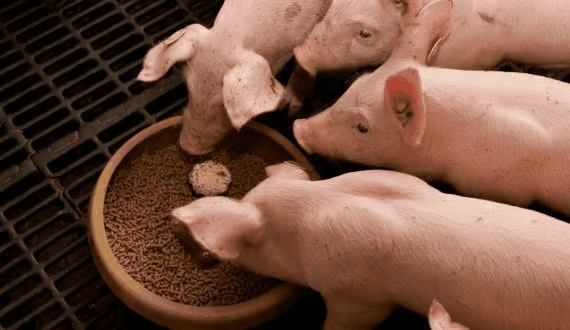
Uganda rolls out digital messaging platform to boost extension support for smallholder pig farmers
The PigSmart platform gives up-to-date information for extension service providers, while delivering multimedia solutions directly to farmers.
-
dsm-firmenich unveils AI tool to boost dairy farm management at Agroleite 2025
With Lore™, dsm-firmenich aims to help dairy farmers harness the power of artificial intelligence to make smarter, faster, and more sustainable decisions.
-
New study confirms high risk of pig tapeworm in Northern Uganda
The researchers warn that without immediate interventions, Uganda’s northern districts could remain a reservoir for the parasite, undermining national and global eradication efforts.