Aquaculture & Fisheries
-

BioMar, Cefetra partner to cut emissions in aquaculture feed
Over 80% of fish-related emissions are tied to feed and raw material sourcing and reducing these impacts has become a pressing challenge for the sector.
-
Enifer secures self-affirmed GRAS status for PEKILO® mycoprotein in US
Self-affirmed GRAS (Generally Recognized as Safe) status is a process where a food ingredient manufacturer independently determines that their ingredient is safe for its intended use, based on a scientific evaluation by their own expert panel and publicly available data, without requiring the FDA’s prior approval or notification.
-
Burkina Faso to exempt VAT on fish feed to support fisheries
Nevertheless, authorities insist that broader investment in infrastructure and technical support will be necessary to achieve long-term targets.
-
Finnforel to expands rainbow trout sales to the UAE
In other news, the company divested its full stake in feed manufacturer Alltech Fennoaqua, selling it to co-owner Alltech in July this year.
-
Global Seafood Alliance tightens feed mill standard to boost traceability, sustainability
GSA aims to push the aquaculture industry toward greater accountability on ingredient use while aligning with global sustainability commitments.
-
Aller Aqua, Sterling Halibut advance sustainable feed trials in Norway
As demand for premium seafood blooms, the collaboration between Aller Aqua and Sterling Halibut highlights how innovation in feed ingredients can contribute to industry resilience and global food security.
-
FAI expands training to strengthen tilapia welfare worldwide
The new course complements FAI’s Tilapia Welfare App, which launched in Kenya earlier this year.
-
Researchers create “Virtual Fish” to revolutionize aquaculture feeding
The outputs from the system, dubbed FishmMet, include predictions of feed intake, gut transit times, growth efficiency, and even stress or motivation levels.
-
Rooibos boosts Tilapia growth in breakthrough study
The Rooibos–tilapia study underscores how South Africa’s biodiversity can fuel innovation in sustainable aquaculture, strengthening food security.
-
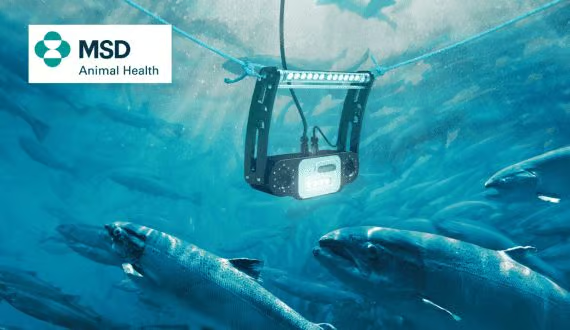
MSD Animal Health launches AI-powered sea lice and biomass monitoring system
FALCON, the newly-launched system, employs high-resolution imaging to capture thousands of daily images and a neural network to automatically detect lice and assess welfare.