Aquaculture & Fisheries
-

Native phages hold promise for New Zealand aquaculture health
Advances in bacteriophage (phage) science are now opening new pathways for effective, environmentally friendly disease control.
-
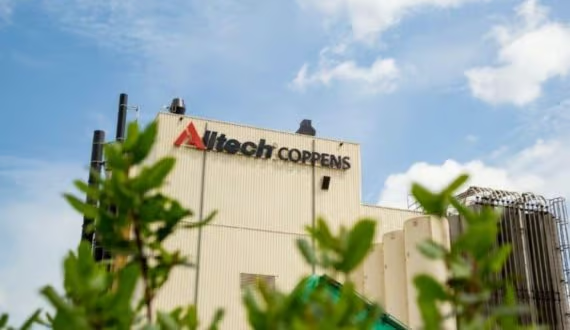
Alltech feed mills achieve national firsts with ASC certification
The dual certification positions the company as a key player in driving the shift toward more transparent, traceable, and environmentally sound feed supply chains.
-
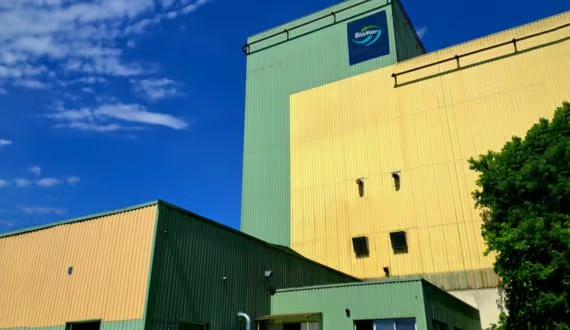
BioMar achieves France’s first ASC-certified feed production facility
The Nersac factory and the Dueñas facility in Spain are responsible for supplying feed to the entire Western Mediterranean Europe and Africa.
-
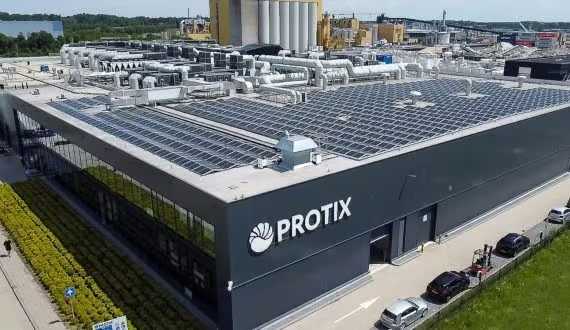
Protix’s insect ingredients proven to slash emissions, land and water use
ProteinX®, Protix’s premium insect meal, reduces CO₂ emissions by 78% compared to poultry meal and up to 89% compared to soy protein concentrate.
-
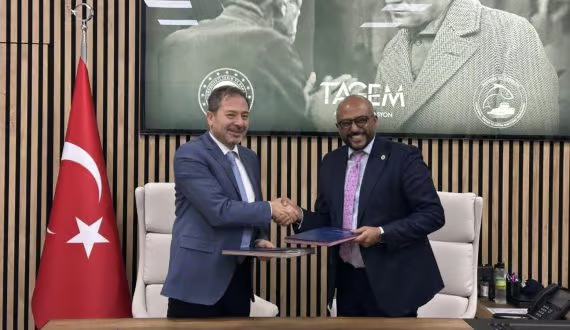
WorldFish and Türkiye forge partnership to advance aquatic food systems
The partnership outlines a framework for scientific and technical cooperation encompassing fisheries, aquaculture, and food and nutritional security.
-
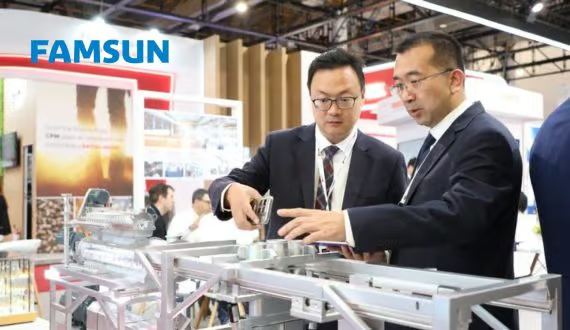
Famsun unveils advanced extruder upgrades at VICTAM Latam
The new extruder also reduces start-up waste by up to 80% in the pre-conditioner, minimizing rework and material loss.
-
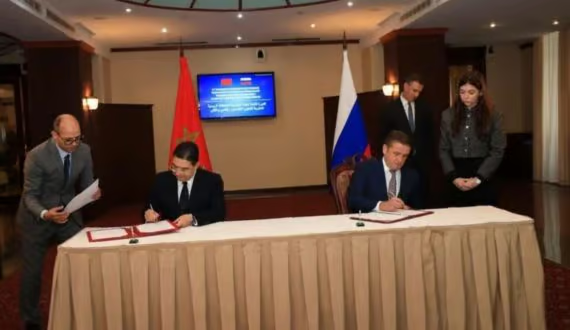
Morocco signs new fisheries cooperation agreement with Russia
The four-year deal outlines fishing rights, catch limits, and ecosystem protection measures in Moroccan waters.
-
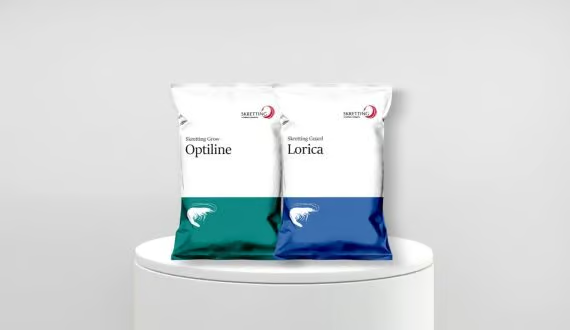
Skretting unveils next-generation shrimp feeds with breakthrough plant-based innovation
Skretting provides that the upgraded Lorica and Optiline will be available to shrimp farmers in Ecuador at the end of 2025.
-
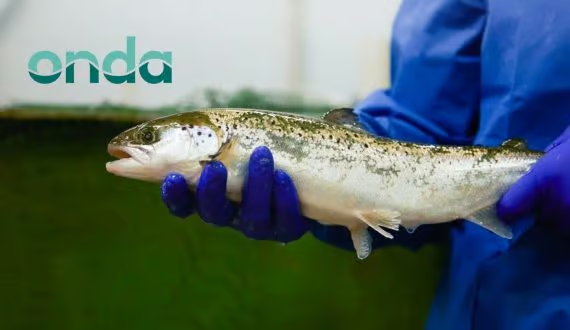
Onda expands fish health research with new Tenacibaculum models and diagnostic tools
Tenacibaculum is a genus of bacteria primarily known for causing disease in fish, especially in marine aquaculture environments.
-
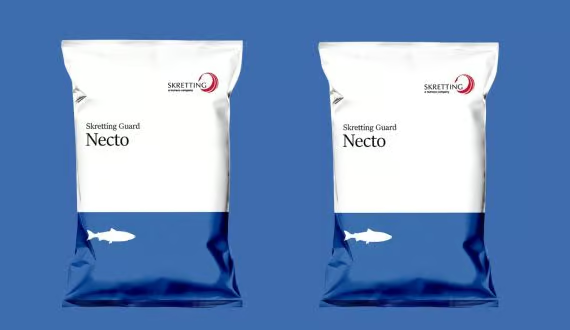
Skretting launches groundbreaking functional feed for fish
According to Skretting, Necto was developed through a collaboration involving nine research partners across five countries.