
Kazakhstan raises poultry self-sufficiency to 78% as investment drives production growth
The country has increased its poultry meat self-sufficiency in five years, supported by government financing, production upgrades and new investment projects.
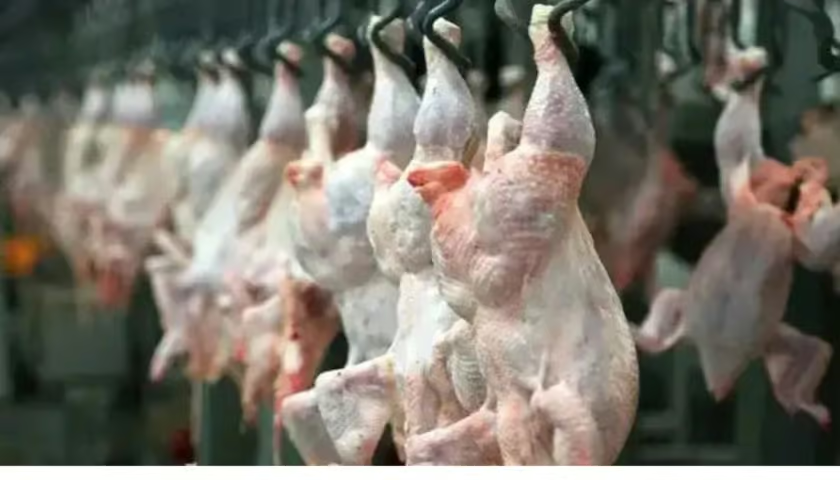
KAZAKHSTAN – Kazakhstan is strengthening its domestic poultry industry, with self-sufficiency in poultry meat increasing from 58% to 78% over the past five years, according to the Ministry of Agriculture, as the government accelerates investment in production capacity, breeding infrastructure and export development.
The progress has been driven by government support, modernization of existing poultry farms and the establishment of new production facilities.
The next phase will focus on expanding output, reducing reliance on imported poultry products and improving the competitiveness of local producers in international markets.
Kazakhstan currently operates 70 poultry farms, comprising 37 egg-producing facilities and 33 meat producers.
The egg segment has a combined annual capacity of 4.5 billion eggs, while poultry meat facilities have a total production capacity of 510,000 tonnes annually. The country has already achieved full self-sufficiency in egg production.
To increase domestic poultry meat availability, the government is developing an investment portfolio expected to add more than 200,000 tonnes of annual production capacity.
Projects by Aitas JSC and Alel Agro JSC are expected to contribute approximately 170,000 tonnes of this additional capacity.
Financing and feed support drive expansion

Access to affordable financing remains central to the industry’s development. Poultry producers can access investment loans at annual interest rates of 2.5% for up to 10 years, alongside working capital financing at 5%.
Under the working capital programme, 17 poultry farms have received a combined 27.2 billion tenge in funding.
The government has also allocated 28 billion tenge in subsidies for the poultry meat industry in 2026, including approximately 1 billion tenge to reduce the cost of purchasing day-old chicks and breeding eggs.
Feed security is another priority. A government reserve containing 201,000 tonnes of feed grain is being made available to poultry producers at fixed prices to help stabilize input costs and support production planning.
In addition, updated investment subsidy regulations are intended to encourage the construction of first- and second-tier breeding facilities, strengthening domestic access to breeding stock and supporting a more integrated poultry production system.
Exports offer further growth opportunities
Alongside import substitution, Kazakhstan is developing its poultry export business. The country exported 32,000 tonnes of poultry meat in 2025, while shipments reached 14,200 tonnes during the first nine months of 2026.
Existing export destinations include Eurasian Economic Union member countries, Azerbaijan, Mongolia and Qatar.
China is also emerging as a potential growth market following the signing of an export protocol. Kazakhstan is working to secure the inclusion of domestic producers in China’s approved exporters’ registry.
The expansion reflects Kazakhstan’s broader ambition to transform its poultry industry from a predominantly import-substitution sector into a more competitive regional supplier.
With additional processing capacity, affordable financing, domestic breeding investments and improved feed availability, the country is positioning its poultry industry for further growth while pursuing its longer-term objective of achieving full self-sufficiency in poultry meat.
Sign up HERE to receive our email newsletters with the latest news updates and insights from Africa and the World, and follow us on our WhatsApp channel for updates.
Be the first to leave a comment