Kenya’s 30m-tonne feed deficit puts dairy production under pressure
Falling milk deliveries are exposing deeper weaknesses in feed availability, fodder conservation and the supply of affordable livestock nutrition.
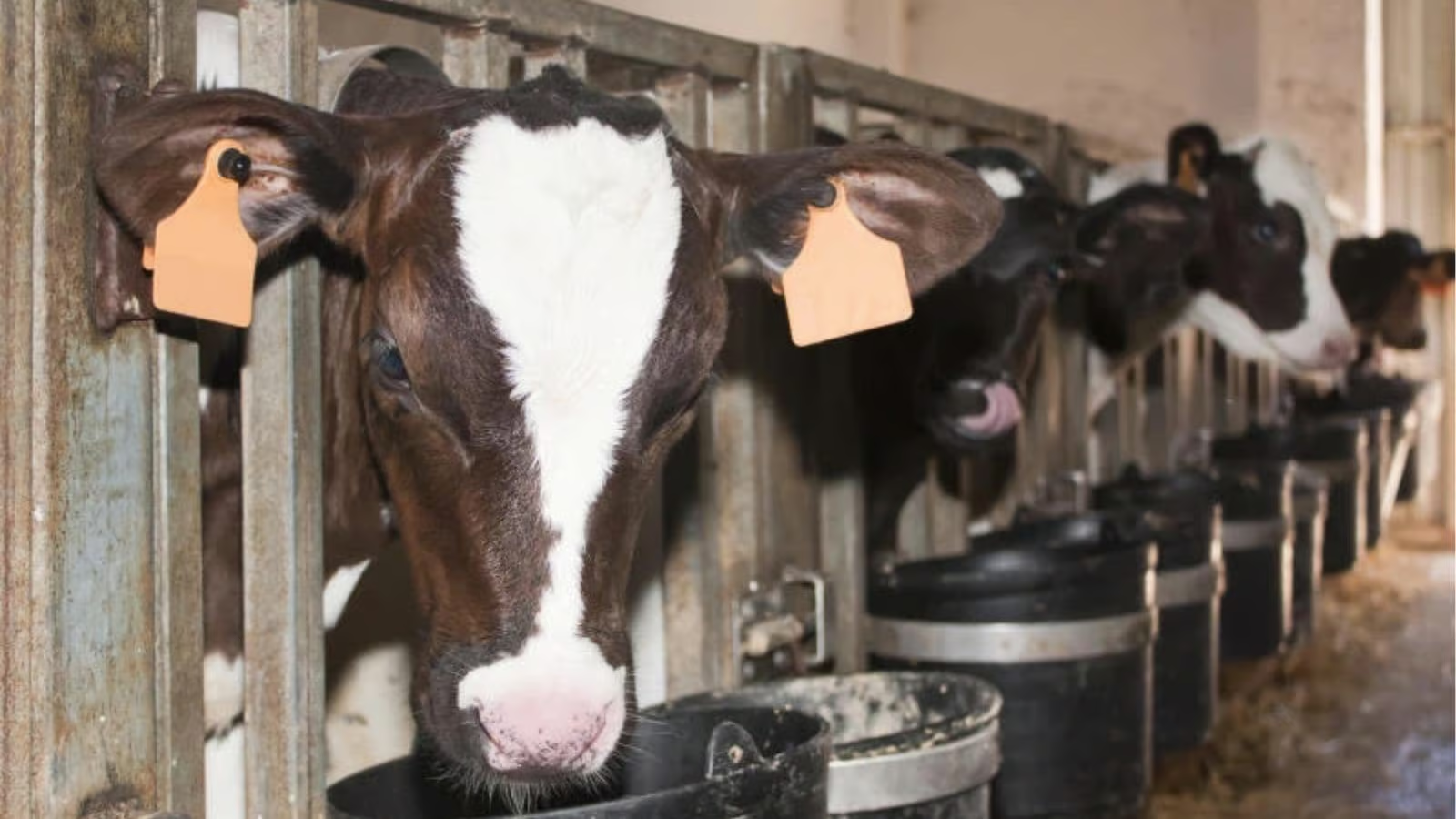
KENYA – Kenya’s declining milk supplies are highlighting a wider feed and fodder shortage affecting dairy productivity, with an estimated annual deficit of 30 million tonnes of feed dry matter raising concerns over livestock performance, farmers’ incomes and the resilience of the country’s dairy industry.
A report published by Al Jazeera on 19 November 2026 documented the impact of prolonged dry conditions on dairy farmers and milk processors.
In Bisil, Kajiado County, farmer Jennifer Leshinka said her daily milk production had fallen from 120 litres to 50 litres over three months as natural pasture dwindled and the cost of supplementary hay increased.
At least five major women-led dairy cooperatives in Kajiado had reported a 50% decline in milk deliveries from their members, according to Jeremiah Ole Ncharo, the county’s executive committee member in charge of cooperatives.

The reduced volumes have affected milk processors, with some businesses struggling to secure adequate supplies.
The scale of the problem extends beyond the current dry conditions. A Dairy Value Chain Gap Analysis by Heifer International Kenya estimates that the country requires approximately 55 million tonnes of feed dry matter annually, against an estimated availability of 25 million tonnes.
The resulting 30-million-tonne deficit reflects persistent challenges in feed availability, affordability and quality.
Speaking during a media engagement in Nairobi, Heifer International Kenya Country Director Wairimu Munyinyi said access to adequate, affordable and quality feed was essential to improving milk production, farmers’ profitability and resilience.
She warned that feed shortages affect not only individual farms but also milk supplies, household incomes and national food security.
Feed availability remains a structural challenge
The Heifer assessment identifies high feed costs, seasonal shortages, poor feed quality and limited access to mechanisation among the constraints affecting dairy production.
Its analysis of interventions across 11 counties, including more detailed assessments in Nyandarua, Embu and Elgeyo Marakwet, found that feed availability and costs remain significant barriers despite investments in improved breeds, farmer training, veterinary services and milk cooling infrastructure.
The pressure is particularly pronounced in arid and semi-arid areas, where recurring droughts and pasture shortages threaten livestock production. In some communities, farmers are adopting approaches such as half-moon-shaped earth structures to harvest rainwater, retain soil moisture and encourage pasture regeneration.
Kenya’s Draft 2026 Livestock Policy identifies several related constraints, including inadequate fodder production, limited access to suitable forage seeds, poor feed storage and underutilisation of crop residues and agro-industrial by-products.
It proposes investment in feed reserves, storage infrastructure, feed preservation technologies and community fodder banks, with county governments expected to support hay and silage production.
The challenges extend beyond dairy farms to the wider commercial feed manufacturing industry.
The Competition Authority of Kenya’s 2024 Animal Feed Market Inquiry identified high input costs, county levies, barriers to cross-border trade and concentration in the supply of key raw materials as constraints affecting the sector.
Strengthening local feed and fodder supply
Addressing the deficit will require more than emergency responses when pasture becomes scarce. Reliable forage seed supplies, mechanised fodder production, hay and silage conservation, water management and appropriate storage need to become part of routine livestock production planning.
The Heifer assessment recommends developing commercially viable feed and fodder enterprises, strengthening cooperatives as service delivery hubs, expanding access to dairy-responsive financing and improving market linkages.
Its Transforming Youth in Dairy Through Feed and Fodder Access in Dairy (TYFFAD) initiative is among the programmes intended to address feed supply challenges while creating economic opportunities for young people.
The government has identified fodder production and conservation as part of its response to the current dairy supply challenges. Agriculture Cabinet Secretary Mutahi Kagwe told Al Jazeera that the government was pursuing measures to expand these activities.
The Draft Livestock Policy provides a wider framework for improving feed availability, affordability and quality, although its proposals will require investment and implementation to deliver results.
For Kenya’s dairy industry, protecting milk production will depend not only on improving animal genetics and farm management but also on ensuring that farmers can access sufficient, nutritious and affordable feed throughout the year.
Sign up HERE to receive our email newsletters with the latest news updates and insights from Africa and the World, and follow us on our WhatsApp channel for updates.

Be the first to leave a comment