Algeria tightens halal certification requirements for Cameroonian food exporters
Cameroon’s food exporters face additional documentation requirements when shipping meat and selected processed foods to Algeria, following new halal certification rules requiring animal identification and importer details.
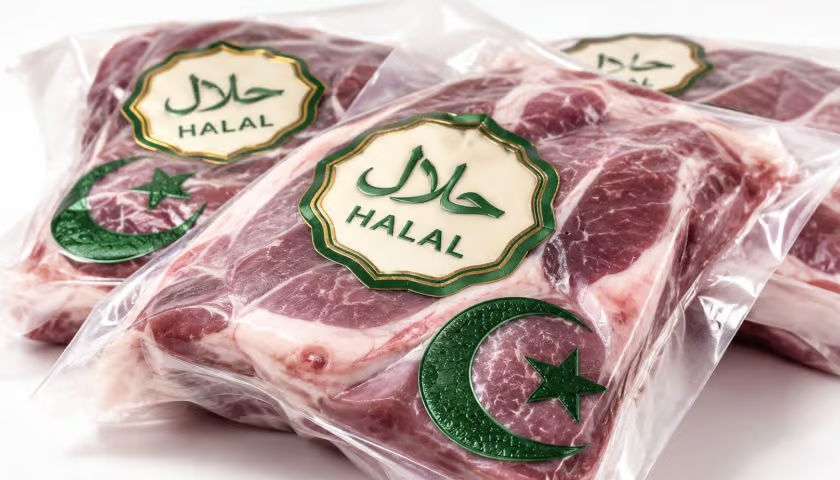
ALGERIA – Algeria has introduced additional halal certification requirements for Cameroonian food exporters, tightening documentation rules for meat and selected processed food shipments as the two countries explore opportunities to strengthen agricultural and food trade.
Cameroon’s Ministry of Trade notified exporters of the requirements on November 24, 2026, following an earlier announcement in Algeria on November 3.
Trade Minister Luc Magloire Mbarga Atangana said halal certificates accompanying meat shipments must specify the animal species and indicate whether the slaughtered animal was male or female.
Certificates covering meat and other food products subject to halal certification must also include the Algerian importer’s name or registered company name and relevant identification details.
The requirements are intended to improve transparency regarding imported food products, strengthen the traceability of transactions and enhance the security of import operations.
Under Algeria’s certification framework, halal certificates must be issued by the Grand Mosque of Paris or one of its authorised offices in the exporting country.
Cameroonian exporters have therefore been urged to coordinate with approved certification bodies and ensure that all required information is included before shipments leave the country.
The measures also extend to selected processed foods, creating additional compliance considerations for manufacturers supplying chocolate, biscuits, pastries and certain dairy ingredients.

However, the requirements do not automatically apply to every food product exported to Algeria.
Trade diversification creates new opportunities
The regulatory changes come as Cameroonian businesses seek to diversify exports to Algeria, where bilateral trade remains relatively concentrated.
According to UN Comtrade figures compiled by Trading Economics, Algeria imported US$11.22 million worth of goods from Cameroon in 2024. Coffee, tea, maté and spices accounted for US$10.32 million, representing approximately 92% of recorded imports.
Cameroonian food manufacturers are also pursuing opportunities in processed products.
In September 2025, NOHI Chocolateries signed a memorandum of understanding with Algerian company Technocast during the Intra-African Trade Fair in Algiers, covering exports of cocoa products and other agrifood goods.
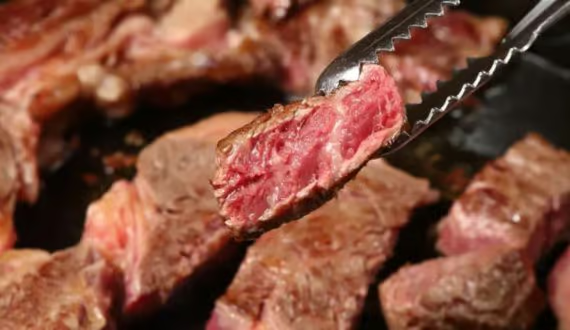
Meanwhile, Algeria remains an important potential destination for meat suppliers. The country imported an estimated 106,000 tonnes of beef in carcass-weight equivalent in 2025, according to France’s Livestock Institute, as authorities continued issuing import licences to support domestic market supply.
For Cameroonian meat processors and food manufacturers, the additional certification requirements introduce another compliance step in accessing the Algerian market.
Export growth will depend on meeting these documentation standards, securing local buyers and satisfying other applicable import regulations.
The developments highlight the growing importance of halal certification, traceability and regulatory compliance in intra-African food trade, particularly as producers seek to access new markets under the African Continental Free Trade Area framework.
Sign up HERE to receive our email newsletters with the latest news updates and insights from Africa and the World, and follow us on our WhatsApp channel for updates.
Be the first to leave a comment