
Kenya
-

Siaya launches fish farming model to empower youth, women at Utonga Beach
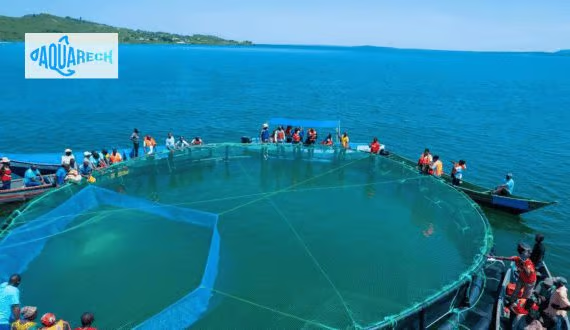
The model allows Beach Management Units (BMUs), youth, and women groups to lease commercial-grade fish cages capable of holding 65,000 fingerlings.
-
WorldFish launches US$10M genetically improved tilapia project in Kenya
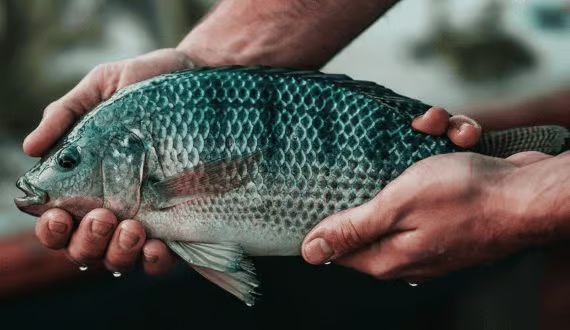
The project aims to support Kenya’s ambitious goal of tripling its national fish production from the current 147,000 metric tons to 450,000 metric tons by 2030.
-
Kenya launches five-year strategy to eliminate aflatoxins
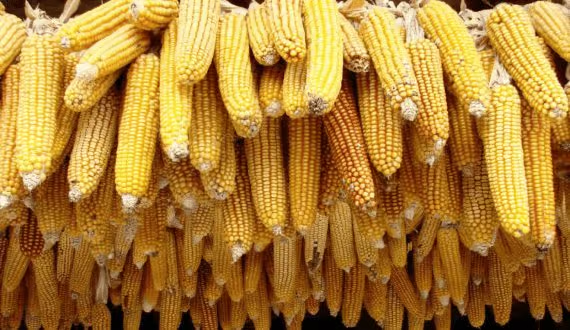
This project highlights Kenya’s commitment to safeguarding public health, enhancing food safety, and protecting livelihoods, particularly in the informal sector.
-
East Africa moves to harmonise Lake Victoria fishing rules
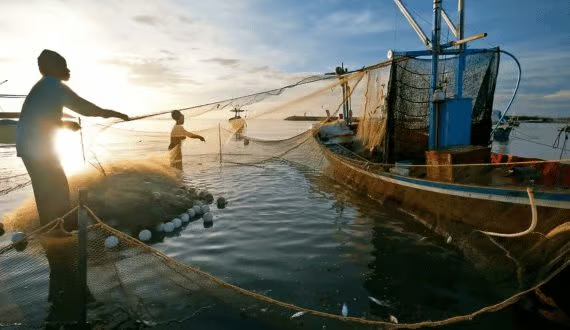
Under the proposed arrangement, verified fishers from Kenya, Uganda, and Tanzania would gain equal access to the lake, provided they comply with a set of mutually agreed-upon rules.
-
ChucaoTech enters Kenya with nanobubble tech to improve aquaculture
Nanobubbles, which inject high levels of oxygen into water and soil, can improve farm and aquaculture productivity.
-
Bühler gears up to host inaugural extrusion workshop in Nairobi
The course combines in-depth theoretical instruction with practical, hands-on training using Bühler’s high-performance twin-screw extruder.
-
ILRI named first WOAH collaborating centre for One Health
The announcement was made during the closing session of WOAH’s 92nd General Session, held in Paris, France, from 25 to 29 May 2025.
-
Aquaculture summit anchors Kenya’s Madaraka Day celebrations in Homa Bay
One of the key highlights of the summit was a tour of fish cages installed in Lake Victoria under the Aquaculture Business Development Program, a government initiative co-funded by the International Fund for Agricultural Development (IFAD).
-
Andrew Peters succeeds Martyn Jeggo as ILRI board chair
Professor Andrew Peters brings with him a wealth of experience in veterinary science and global livestock development.
-
Kenya launches MaziwaPlus project to combat mastitis, curb antibiotic use in dairy farming
Before rolling out interventions, MaziwaPlus will investigate the social, economic, and behavioural drivers of mastitis and antibiotic use.