Kenya
-

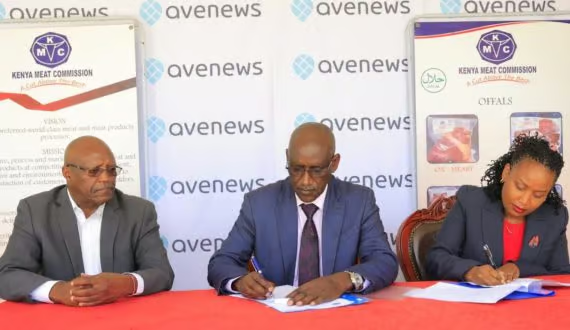
Avenews, KMC and KLMC launch US$16M financing model to transform Kenya’s livestock sector
The livestock financing program is expected to accelerate investment in Kenya’s meat value chain, improve income stability for farmers, and contribute to sustainable, inclusive growth across the agricultural economy.
-
APMD strengthens coordination and investment in Kenya’s livestock value chain
Feedlot operators have concerns about high feed costs, limited access to affordable financing, and logistical bottlenecks that drive up production costs.
-
World Animal Protection urges governments to end factory farm subsidies
The report highlights that subsidised production of beef, soy (for animal feed), and palm oil drives roughly 14% of global deforestation.
-
Poultry farmers in Kenya’s Machakos County protest new transport levy, warn of sector collapse
Poultry diseases such as Newcastle and avian influenza spread easily when bird movement is unregulated, and the new levy will support monitoring and inspection programs.
-
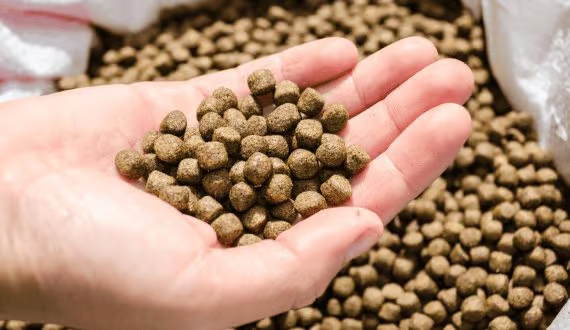
NORAD donates fish feed to boost aquaculture in Vihiga County
This program is also being implemented in Nyeri and Migori counties to promote resilient, nutrition-sensitive aquaculture systems across Kenya.
-
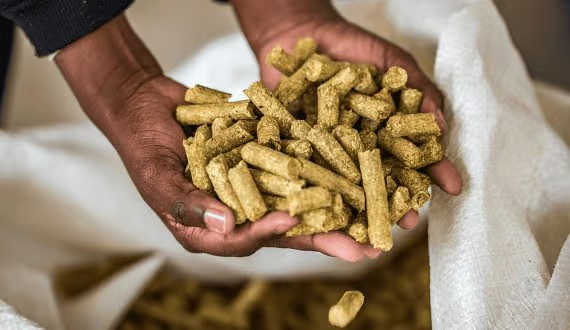
Animal feed crisis undermining food security as experts push for GMO inclusion
AKEFEMA and agricultural experts are urging the government to embrace genetically modified maize and soybeans to reduce feed costs and stabilise supply.
-
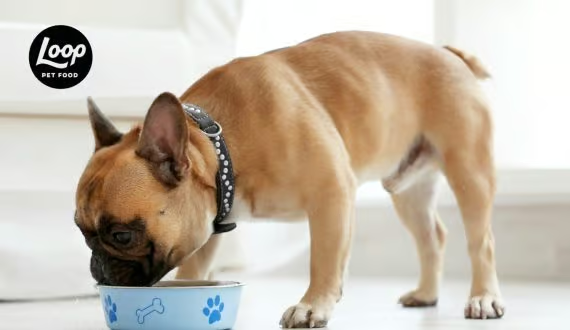
Loop Pet Food named among world’s top 100 ventures driving planet-positive change
This recognition signals a chance to amplify Africa’s role in sustainable innovation while proving that pet nutrition can drive real-world impact for the planet.
-
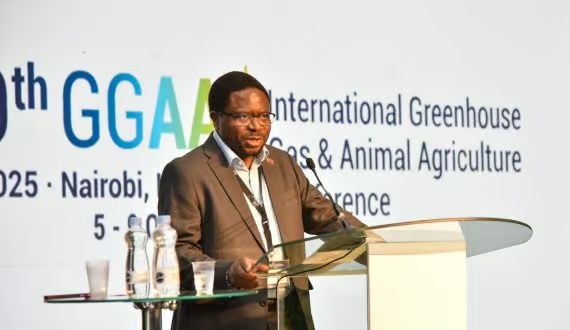
Global livestock climate conference lands in Nairobi for the first time
This is a strategic decision as Africa is home to one-third of the world’s livestock, contributing up to 80% of GDP in some national economies.
-
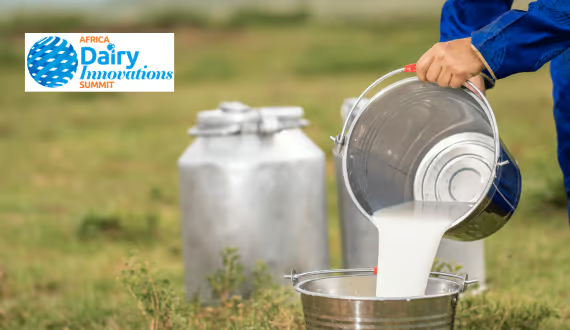
Africa Dairy Innovations Summit 2026 to convene in Nairobi
A highlight of the exhibition will be the Dairy Innovations Hub, where processors will present their latest product innovations to buyers, distributors and investors.
-
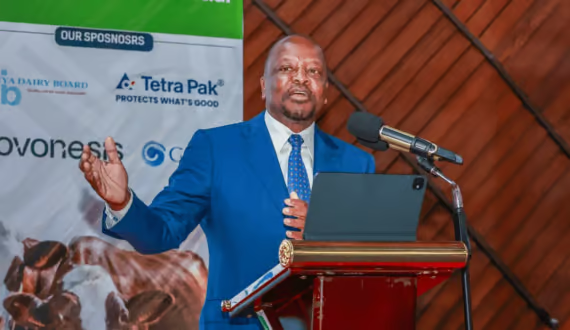
Kenya cracks down on aflatoxin in feeds as contamination threatens dairy exports
To ensure safety, CS Kagwe announced that the government will soon launch a Good Quality Milk certification programme.