
Aquafeed
-

Nigerian PPP launches US$6.2M aquaculture hub to boost fish production in Lagos
The hub aims to produce 50 million fingerlings, 2,000 tonnes of ready-to-eat fish, 20,000 tonnes of processed fish, and 24,000 tonnes of fish feed annually.
-
Wittaya Aqua, Maverick Innovation forge global partnership to accelerate feed ingredient innovation
This partnership is poised to empower businesses across the feed value chain with the technical, regulatory, and market intelligence needed to bring new nutritional technologies to market.
-
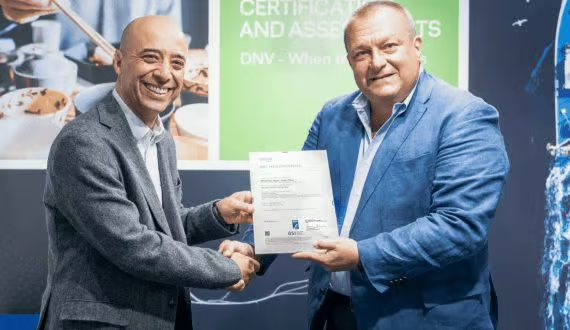
Skretting earns ASC Feed Standard Certification from DNV at Seafood Expo Global
Starting October 31, 2025, ASC-certified farms will be required to use ASC-certified feed to maintain their own certifications.
-
USGC promotes U.S. corn co-products for sustainable aquaculture at Cairo summit
The conference highlighted the growing need for sustainable, high-protein feed options to support rapidly expanding fish farming sectors in both developing and mature markets.
-
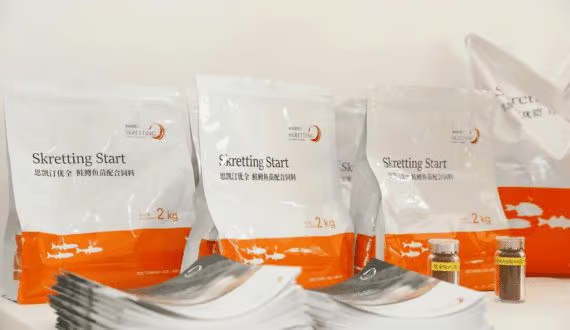
Skretting China doubles down on growth with new LifeStart facility, product launch
LifeStart products, essential for larvae and juvenile stages of aquaculture species, are designed to improve fry resilience, disease resistance, and growth rates.
-
MiAlgae unveils plans for new Scotland facility to accelerate green biotechnology
The proposed site will allow MiAlgae to expand its unique process of repurposing whisky industry byproducts to grow microalgae.
-
AlgiSys BioSciences prepares to launch EPA-rich aquafeed ingredient
The new non-GMO ingredient, targeted for use in salmon and shrimp farming, is designed to replace fish oil and fishmeal, reducing pressure on marine ecosystems.
-
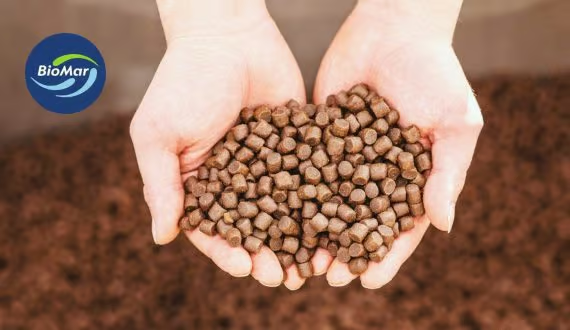
BioMar Costa Rica achieves ASC Feed Certification
Costa Rica will now join Ecuador, Chile, and the United Kingdom on BioMar’s list of ASC-certified production sites.
-
Zubair EDC completes feasibility study for fish feed project using azolla
The study highlights the growing need for local fish feed production, given the dramatic increase in imported fish feed by 375% from 2020 to 2023.
-
Skretting becomes Japan’s first ASC-certified feed mill
Gihyeon Park, Skretting Japan’s General Manager, states that obtaining ASC Feed Certification aligns with the company’s purpose of “Feeding the Future” sustainably and responsibly.