
Aquafeed
-

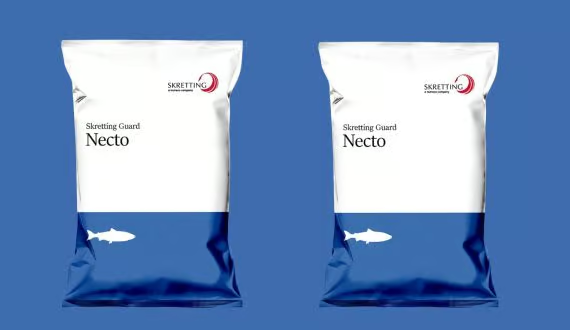
Skretting launches groundbreaking functional feed for fish
According to Skretting, Necto was developed through a collaboration involving nine research partners across five countries.
-
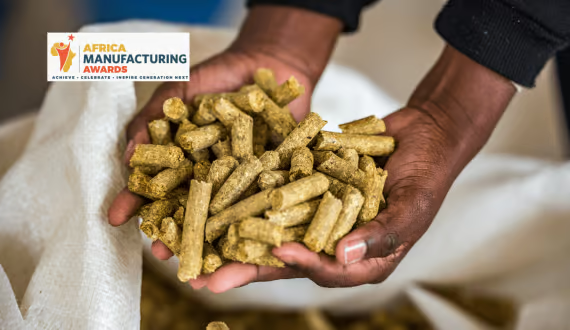
Africa Manufacturing Awards to spotlight animal feed industry for the first time
Entries close on October 31, 2025, with eligibility for products and plants launched from 2023 onwards.
-
Loopworm wins India’s regulatory approval for insect-based aquafeed products
Loopworm processes 6,000 tonnes of insects annually, producing protein and oil for animal feed and aquaculture.
-
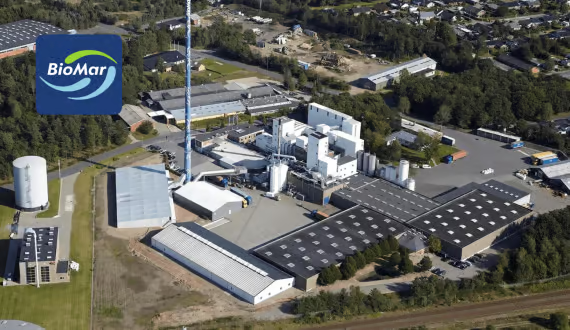
BioMar expands ASC-Certified feed network with Danish facility
This achievement joins a growing list of ASC-certified BioMar sites, including facilities in Chile, Ecuador, Costa Rica, Norway, and the U.K.
-
Global fishmeal production climbs 8% in July as Peru’s anchovy season extends
With aquaculture continuing to expand globally, the demand for fishmeal and fish oil remains strong across multiple sectors.
-
BioMar, Cefetra partner to cut emissions in aquaculture feed
Over 80% of fish-related emissions are tied to feed and raw material sourcing and reducing these impacts has become a pressing challenge for the sector.
-
Enifer secures self-affirmed GRAS status for PEKILO® mycoprotein in US
Self-affirmed GRAS (Generally Recognized as Safe) status is a process where a food ingredient manufacturer independently determines that their ingredient is safe for its intended use, based on a scientific evaluation by their own expert panel and publicly available data, without requiring the FDA’s prior approval or notification.
-
Burkina Faso to exempt VAT on fish feed to support fisheries
Nevertheless, authorities insist that broader investment in infrastructure and technical support will be necessary to achieve long-term targets.
-
Global Seafood Alliance tightens feed mill standard to boost traceability, sustainability
GSA aims to push the aquaculture industry toward greater accountability on ingredient use while aligning with global sustainability commitments.
-
Researchers create “Virtual Fish” to revolutionize aquaculture feeding
The outputs from the system, dubbed FishmMet, include predictions of feed intake, gut transit times, growth efficiency, and even stress or motivation levels.