
Search Results for: Livestock Feed Limited
-

Saudi Arabia to prioritise smart farming to improve small livestock, meat production
The system identifies animals using facial features, tracks their productivity, monitors health, and stores farm records in one platform.
-
NIRSAL launches feedlot training as Nigeria prepares for US$2.5B JBS meat investment
NIRSAL’s Managing Director and CEO, Mr. Sa’ad Hamidu, said the training marks the start of a nationwide effort to modernise livestock rearing and meat processing practices in Nigeria.
-
Algeria launches first national livestock feed production unit to boost animal protein production
This livestock production unit will help meet the rising demand in animal feed to support the growing protein needs of this North African country.
-
Egypt turns to food waste to feed livestock in ambitious recycling push
Egypt produces around 50 million tonnes of agricultural waste and an additional 15 million tonnes from food factories each year.
-
Kenya launches climate-smart livestock plan to combat hunger, strengthen meat industry
The master plan is being developed against the backdrop of severe and frequent climate disruptions that have eroded pastoral incomes.
-
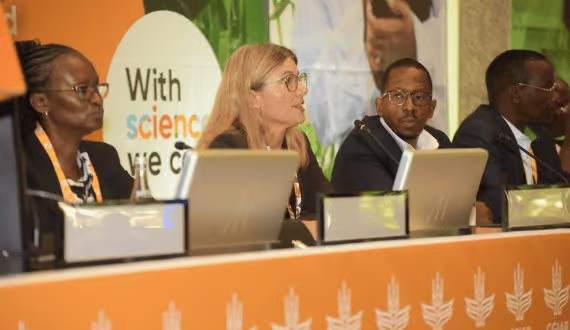
CGIAR launches ambitious program to transform livestock, aquatic food systems
With demand for animal-source foods projected to increase by 30% by 2050, the SAAF program seeks to address the pressing challenge of how to produce more food with fewer environmental costs.
-
ILRI strengthens livestock partnerships in Nigeria and Sierra Leone
Dr. Siboniso Moyo, ILRI’s Deputy Director General for Partnerships and Impact, highlighted these developments during a high-level visit to IITA Ibadan.
-
Caribbean miller backs youth agriculture with poultry feed donation
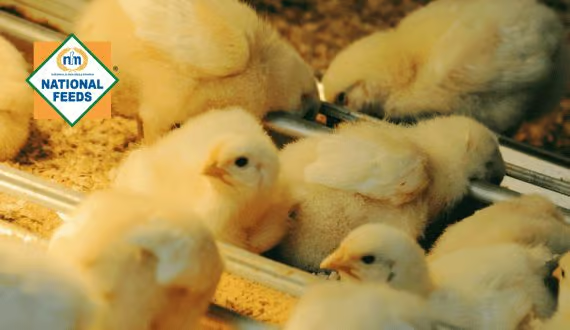
NFM has pledged continued support with additional poultry feed as the chicks grow, reinforcing its long-term support for student agricultural development.
-
US Grains Council inks MOU with AKEFEMA to strengthen Kenya’s feed industry
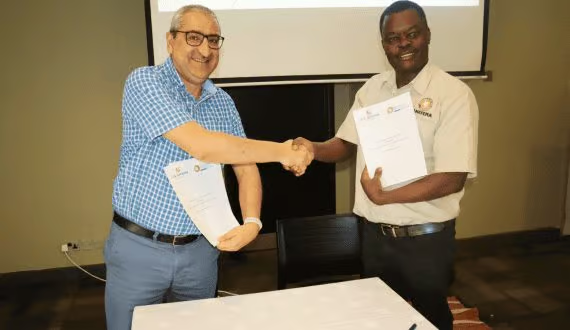
The MOU outlines plans for joint initiatives, including specialised training to improve feed production efficiency.
-