
Search Results for: Livestock Feed Limited
-

Kyrgyzstan weighs ban on European aquafeed imports amid push for domestic production
Officials say the measure would strengthen food security, encourage local feed production, and protect fish farmers from currency volatility and supply‑chain disruptions.
-
Kenya moves to expand livestock market under DRIVE Project
The initiative seeks to transform livelihoods by providing drought index insurance, improving digital access to finance, and creating structured markets for livestock and related products.
-
Researchers develop drought resistant fodder grass to lift livestock output in Ethiopia
The researchers say continued support will help more households adopt the grass and strengthen livestock systems across Ethiopia’s dry regions.
-
Europe’s feed sector warns of growing reliance on imported vitamins and amino acids
Production in the EU has struggled to keep pace with China, where lower energy and raw material costs have encouraged investment and large-scale output.
-
New strategy targets chronic feed shortages across the Horn of Africa
The feed shortage concern is a significant crisis in most of the continent, and Nigeria recently issued a similar decry concerning livestock feed shortages.
-
APMD strengthens coordination and investment in Kenya’s livestock value chain
Feedlot operators have concerns about high feed costs, limited access to affordable financing, and logistical bottlenecks that drive up production costs.
-
South Africa boosts rural livestock health through veterinary entrepreneurship
Access to veterinary services in remote communities is often constrained by workforce shortages and shifting public sector priorities.
-
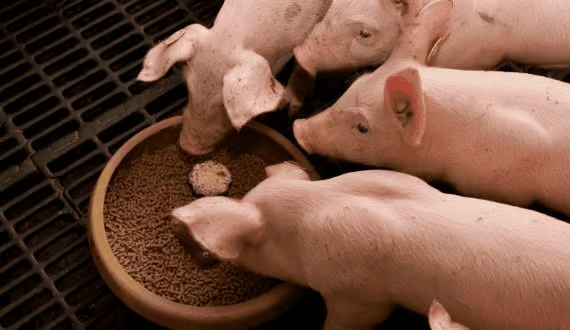
Senegal to build first pig feed factory in Casamance to boost local production
Authorities believe that the pig feed plant will not only support the region’s farmers but also enhance national food security and create new economic opportunities.
-
Nigeria’s livestock ministry introduces special vehicles for safer animal transport
The vehicles are expected to reduce disease risks, improve hygiene standards, and streamline livestock movement nationwide.
-
Africa Manufacturing Awards to spotlight animal feed industry for the first time
Entries close on October 31, 2025, with eligibility for products and plants launched from 2023 onwards.