
LATEST NEWS
-

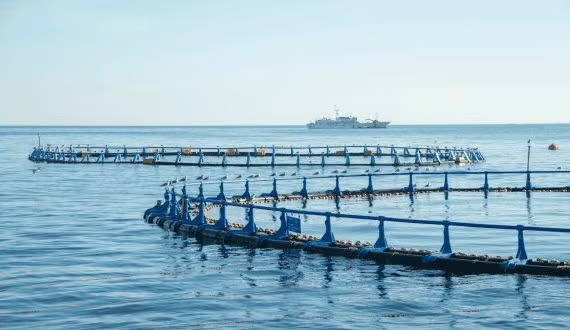
Africa advances aquatic biodiversity protection at high-level Mombasa meetings
The continent’s full blue economy is estimated to be worth US$300 billion per year, with potential to grow to US$405 billion by 2030 and up to US$576 billion by 2063.
-
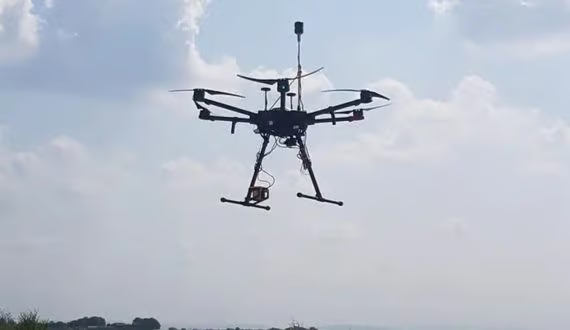
Drones prove most effective for livestock methane measurement across Africa
The study shows how simple tools, when used with care, can help Africa track methane with accuracy and support a cleaner livestock sector.
-
AU-IBAR launches advanced ARIS-3 training to accelerate Africa’s PPR eradication drive
AU-IBAR provides training to national experts, surveillance officers, and data managers to build strong national teams capable of managing and sustaining the system from community to national levels.
-
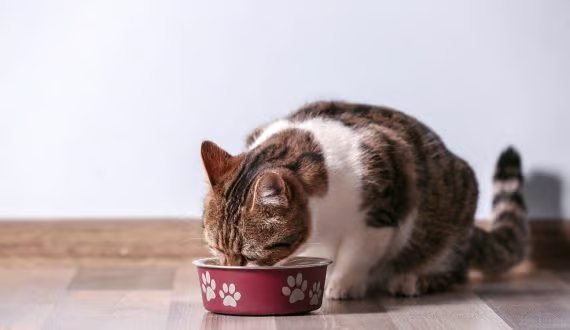
New research raises concerns as more owners shift toward home-prepared pet meals
In spite of all the effort put into preparing pet meals at home, only 6% of the diets contained ingredients that meet AAFCO standards.
-
CattleEye data unlocks genetic solutions to lameness in dairy cows
Lameness contributes to growing public concerns regarding longevity of cattle, and causes substantial economic losses in both the dairy and beef industries.
-
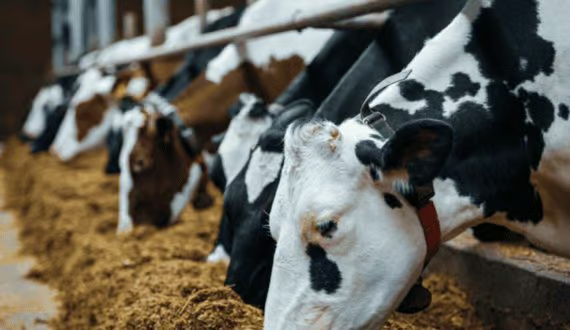
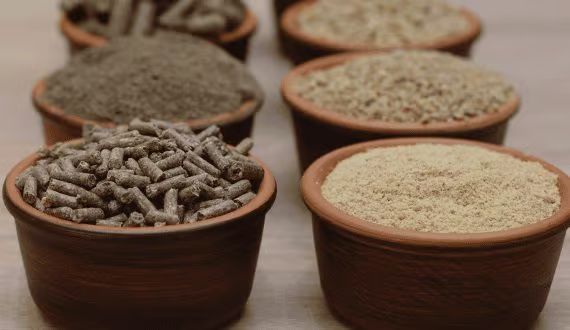
New strategy targets chronic feed shortages across the Horn of Africa
The feed shortage concern is a significant crisis in most of the continent, and Nigeria recently issued a similar decry concerning livestock feed shortages.
-
Nigeria warns of escalating livestock feed crisis, urges regional action
The government finds this situation concerning as inadequate nutrition for animals threatens incomes, food security, and community stability.
-
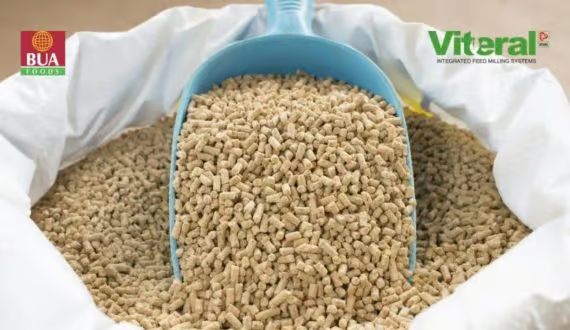
BUA Group partners Viteral Integrated Milling Systems to construct 40 TPH feed mill in Nigeria
Viteral Integrated Milling Systems is renowned for providing complete facilities for feed production.
-
East Africa adopts 10-year strategic framework to tackle foot-and-mouth disease
FMD is one of the most persistent threats to livestock production in Eastern Africa, made worse by the extensive mobility of pastoral herds and porous borders.
-
Adisseo releases updated vitamin guide covering 18 animal species
These updated guidelines apply to a broad range of species, including poultry, swine, ruminants, horses, pets, and aquatic animals.