
LATEST NEWS
-

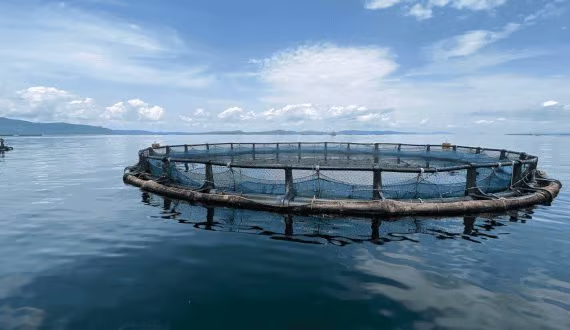
Africa’s largest aquaculture gathering returns in 2026
The conference is anchored around the theme “Aquaculture Driving Blue Transformation,” with a strong focus on how sustainable aquaculture can support resilient food systems and economic growth.
-
Morocco’s aquaculture draws over US$142M in H1 2025: National Agency for Aquaculture Development
This number signals rising investor interest in a sector that is now gaining a lot of interest.
-
Cameroon allocates US$22.4M to Integrated Agro-Pastoral and Fisheries Import-Substitution Plan
This allocation represents a reduction of around US$3.6 million compared to 2025, when PIISAH received US$26 million in funding.
-
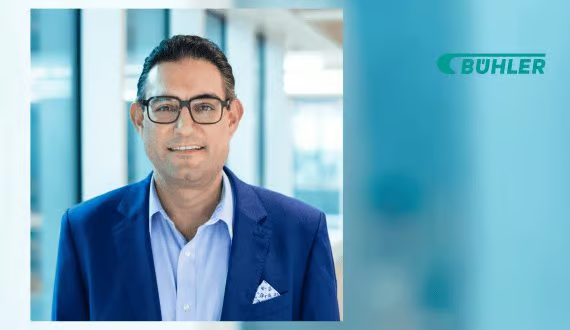
Bühler Group confirms Samuel Schär as CEO
Concurrently, Stefan Scheiber, will be proposed as Chairman of the Board of Directors at the Annual General Meeting in February 2026.
-
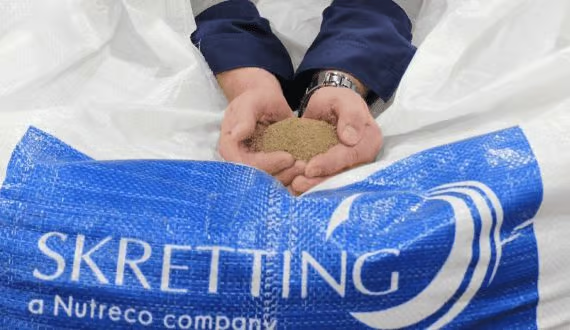
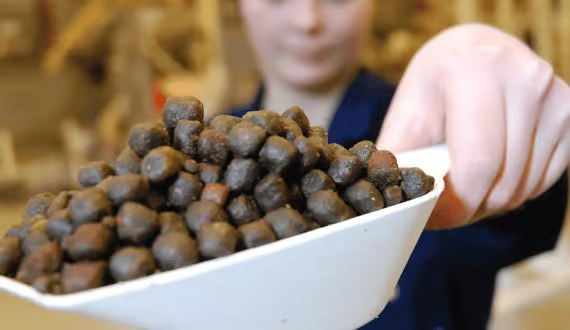
Mowi, Skretting forge strategic feed partnership to cut costs and boost innovation
Mowi will retain its existing feed business unit ensuring that production stays in-house while benefiting from Skretting’s formulations.
-
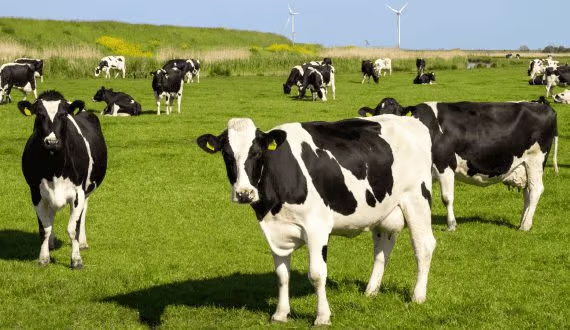
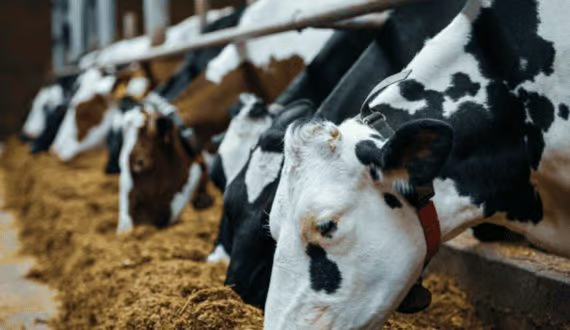
Kenya greenlights US$75M livestock project to revamp dairy industry
The investment will go towards strengthening genetics, enhancing feed and fodder production, expanding cold-chain infrastructure, and supporting farmer organisations.
-
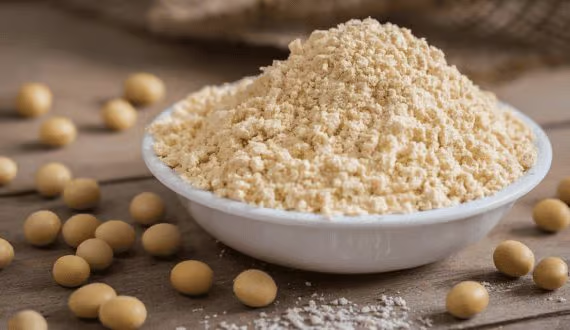
Bunge, Mantiqueira Brasil seal deal for traceable, low-carbon soybean meal
The soybean meal supplied under the agreement has an estimated carbon footprint between 40% and 70% lower than the Brazilian average.
-
Oman’s US$93.5M feed investment to support aquaculture expansion
The new facility will manufacture 48,000 tonnes of animal feed and 15,000 tonnes of aquatic feed annually.
-
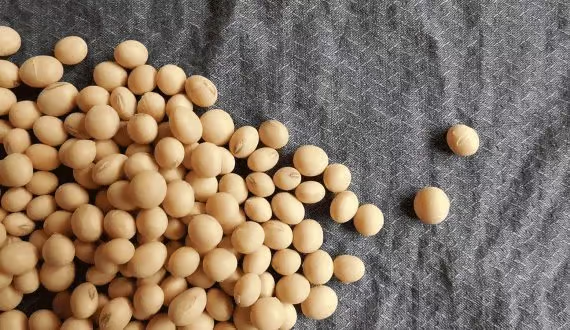
Bunge Brazil certifies sustainable soybeans for SAF
The certification verifies that soybeans processed at the facility carry a low risk of indirect land use change (LUC).
-
Europe’s feed sector warns of growing reliance on imported vitamins and amino acids
Production in the EU has struggled to keep pace with China, where lower energy and raw material costs have encouraged investment and large-scale output.