
GRAINS, COMMODITY & TRADE UPDATES
-

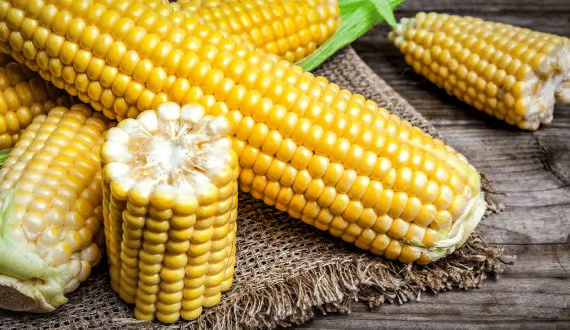
Japan’s feed industry shifts toward corn as rice prices remain elevated
Japan’s rice sector has faced significant challenges since the 2024 shortage, exacerbated by historically low stocks and adverse weather.
-
Turkey raises zero-duty grain import quotas to 1M tons amid market pressures
Meanwhile, producers fear that a wave of duty-free imports could depress farmgate prices just as new-season barley and corn enter the domestic market.
-
Ukraine’s corn market faces mounting delays as logistics deteriorate, pushing prices upward: Platts
Logistical costs have surged dramatically, with traders reporting that transport costs have jumped by US$15–US$20, nearly doubling compared to earlier in the season.
-
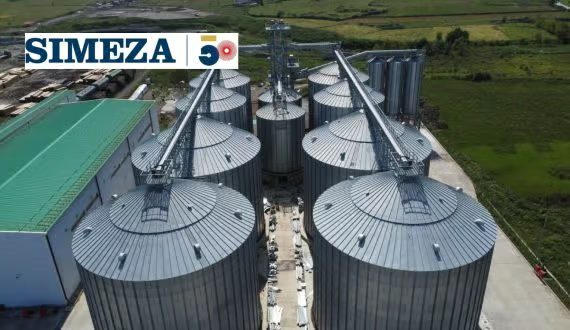
SIMEZA silos celebrates 50 years of excellence in grain storage
The company provides grain storage solutions to a wide range of clients across the agricultural, industrial, and farm sectors in Europe, the Middle East, Africa, and Latin America.
-
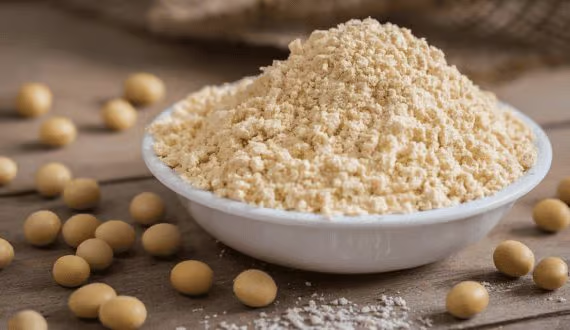
Bangladesh commits US$1.25B to U.S. soy in landmark deal
Soybean meal is a key component in animal feed, making the deal a significant boost for the nation’s food security and livestock productivity.
-
FEFAC warns of looming soy supply chain disruptions under EU deforestation rules
According to the federation, market instability has already emerged following conflicting signals about potential European Union Deforestation Regulation (EUDR) postponements.
-
SafeGrain launches next-generation RadarMax Sensor for precision grain level monitoring
With its advanced high-frequency radar signal, RadarMax excels at penetrating dust and vapor, ensuring dependable and precise level measurement.
-
AI tool exposes aflatoxin threat in Africa’s maize
The new tool uses satellite data and artificial intelligence to create maps that predict contamination risk zones and has been trained on over a decade of maize samples.
-
EU authorises GM maize DP51291 for food and feed use
EFSA’s panel of experts has examined the maize thoroughly and found no risks when used as intended in food and feed products.
-
Olam Agri, AGRA sign MoU to advance sustainable agriculture in Nigeria and Ghana
Under the terms of the MoU, the organisations will focus on scaling programs for smallholder farmers in soy, wheat, maize, and rice value chains in Nigeria.