
GRAINS, COMMODITY & TRADE UPDATES
-

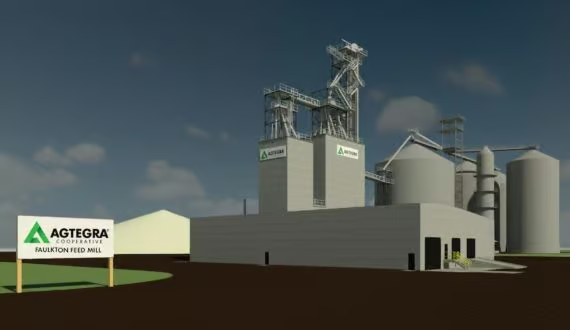
Agtegra to build a 100,000-tonne state-of-the-art feed mill in South Dakota
The facility will produce complete grind-mix bulk feed, primarily for swine and poultry farms, using local corn, soybean meal, and other ingredients.
-
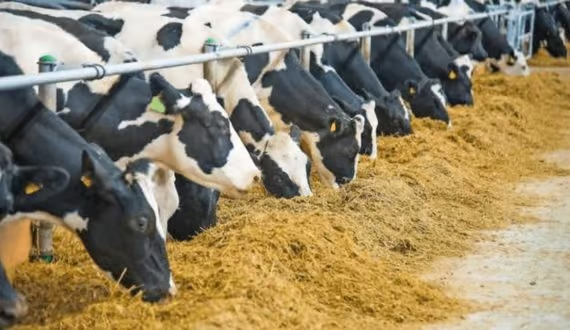
Livestock feed prices surge as Kenya struggles with imported inputs
When the fed input cost increases, the end user price increases.
-
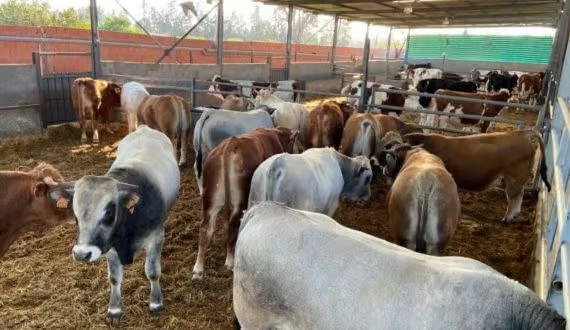
Algeria authorizes cattle imports from Ukraine
The move comes as the country expands supply options amid rising meat imports.
-
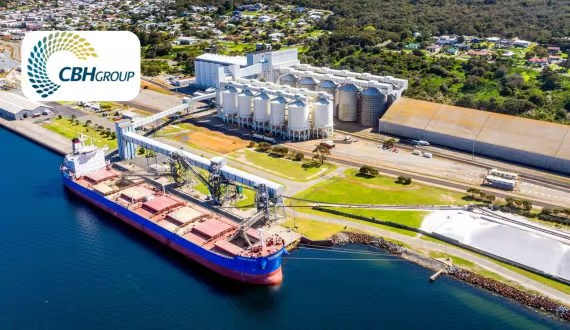
CBH sets new benchmark with over 24 M tonnes in 2025–26 grain receivals
While marginally below the record set in 2022–23, the forecast is 45% above the 10-year average, underlining the state’s continued productivity.
-
Cargill launches first green methanol dual-fuel dry bulk vessel in shipping decarbonization push
According to Cargill, using green methanol can deliver carbon dioxide savings of up to 70%.
-
Indonesia issues animal welfare regulation, paving the way for cage-free egg growth
The government will develop technical guidelines for animal welfare certification and prepare human resources to support implementation.
-
Brazilian soy traders move to exit Amazon soy moratorium, raising deforestation concerns
The soy moratorium bars signatory companies from purchasing soybeans grown on farms in the Amazon biome that were deforested after July 2008.
-
Philippines wheat imports set to rise 16.5% in MY 2025/26 on feed, food demand
From September to October 2025, import prices for feed wheat exceeded those of corn by US$ 6.46 and US$ 10.11 per metric ton, respectively.
-
Bunge, Mantiqueira Brasil seal deal for traceable, low-carbon soybean meal
The soybean meal supplied under the agreement has an estimated carbon footprint between 40% and 70% lower than the Brazilian average.
-
Bunge Brazil certifies sustainable soybeans for SAF
The certification verifies that soybeans processed at the facility carry a low risk of indirect land use change (LUC).