AQUACULTURE & FISHERIES
-

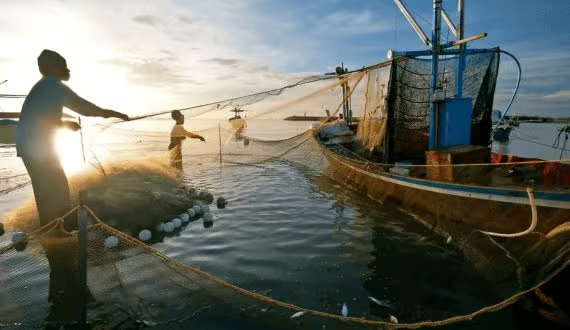
Tunisia sets ambitious goal to boost aquaculture by 2030
With investments accelerating and production targets set, Tunisia’s aquaculture sector is poised to become a cornerstone of the country’s future seafood supply.
-
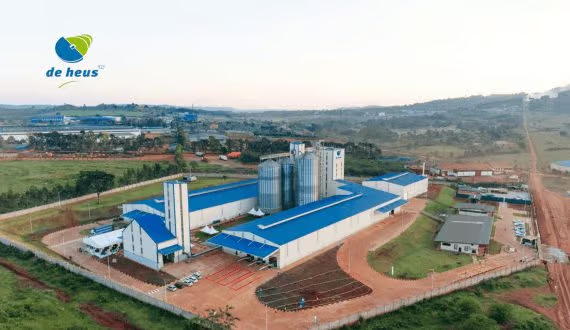
De Heus commissions largest aqua feed factory in East and Central Africa
The facility is set to create demand for locally grown crops such as maize, cassava, and soybeans, strengthening linkages across the agricultural value chain.
-
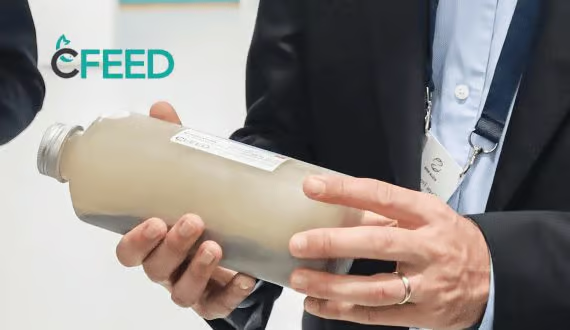
CFEED triples copepod egg production with new Vanvikan facility
By expanding operations, CFEED is addressing industry demand and reinforcing the role of sustainable feed in the future of aquaculture.
-
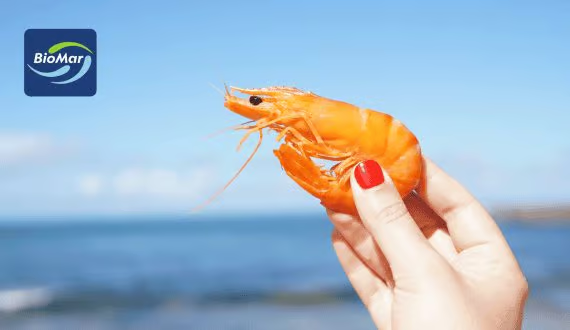
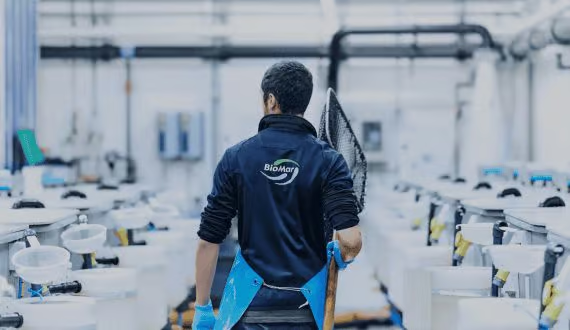
BioMar, Innovafeed and Auchan launch Europe’s first scalable insect-fed shrimp
With shrimp farming representing one of the fastest-growing sectors in aquaculture, the move is set to reduce reliance on wild-caught fish and conventional feed resources.
-
WOAH launches REASONS Project to tackle antimicrobial resistance in aquaculture
The effectiveness of antimicrobial treatments is limited by diagnostic accuracy and timeliness, the limited availability of registered antimicrobial products for aquatic animals and the growing impact of antimicrobial resistance (AMR).
-
Norway expands fish feed monitoring to track new contaminants
Norway’s move to broaden its testing scope reflects a proactive approach to safeguarding fish welfare, consumer safety, and the reputation of its farmed salmon industry.
-
Zimbabwe’s aquaculture sector gets boost from local feed hubs
Black Soldier Fly larvae have a high protein content, ranging from 37% to 50% on a dry matter basis, making BSFL a sustainable protein source for livestock, poultry, and fish.
-
Norway’s seafood industry demands US$470M boost for sustainable fish feed
Industry representatives are questioning the continued importantion of expensive raw materials like soy when other alternatives can be produced locally.
-
BioMar launches POWER H2O feed designed for underwater feeding systems
Underwater feeding systems are gaining traction among salmon farmers as a way to reduce feed waste, energy consumption, microplastics, and exposure to sea lice.
-
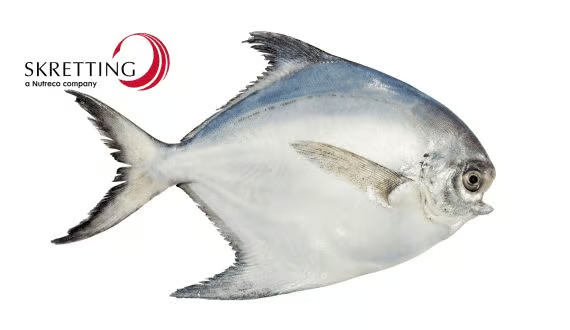
Skretting Vietnam launches premium feed for pompano farmers
With the launch of STELLA P, Skretting Vietnam continues to align global innovation with local aquaculture needs.