

Kazakhstan beef exports jump 34.4% as livestock development plan targets higher output
Expanding meat production and modernising livestock operations are central to Kazakhstan’s ambitions to strengthen its export position, with a new five-year strategy targeting 1.8 million tonnes of annual meat production by 2030.
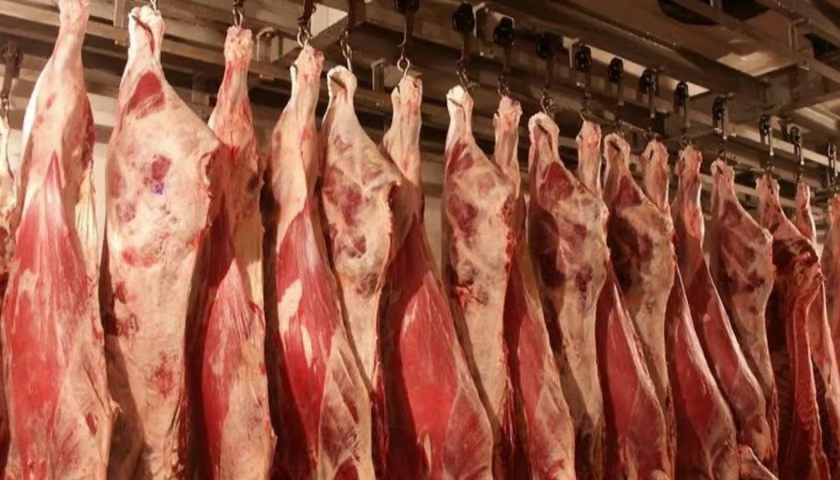
KAZAKHSTAN – Kazakhstan’s beef exports increased by 34.4% in 2026 to 43,000 tonnes, reflecting growing production capacity and the country’s efforts to strengthen its position in international meat markets.
Agriculture Minister Aidarbek Saparov, cited by Qazinform News Agency, also reported that lamb exports reached 30,000 tonnes during the reporting period, highlighting the expanding contribution of the country’s cattle and sheep sectors to agricultural trade.
The export growth comes as the government advances its Comprehensive Livestock Development Plan for 2026–2030, which aims to increase meat production across all categories from 1.2 million tonnes to 1.8 million tonnes annually.
The strategy also targets higher dairy output, with milk production from agricultural enterprises expected to increase from 1.4 million tonnes to 2.1 million tonnes.
Productivity improvements will be central to achieving these ambitions. Kazakhstan currently records an average of 64 calves per 100 cows, while the government plans to improve cattle weight gains from 600–800 grams per day to between 1.5 and 1.8 kilograms.
Modern dairy farms are also expected to achieve annual productivity of 10,000 litres per cow, reflecting the government’s focus on improving genetics, farm management and production efficiency.
Investment accelerates livestock modernisation
To expand commercial dairy production, the government has financed 102 dairy farm projects since 2023 under a programme replicating the successful agricultural development model of North Kazakhstan. Of these, 71 facilities have already commenced operations.

The initiative is expected to strengthen domestic milk supplies while improving the competitiveness of Kazakhstan’s livestock industry through larger-scale, more productive farming operations.
The country is also pursuing investments in integrated meat production. Kazakhstan has announced plans for a US$111.1 million meat cluster, reflecting a broader shift towards developing modern processing infrastructure and strengthening links between livestock producers and meat processors.
Such investments are increasingly important as international meat markets demand consistent quality, traceability, reliable supply and competitive production costs.
For Kazakhstan, expanding beef and lamb exports while improving domestic processing capacity could create additional opportunities across regional and international markets.
The 2026–2030 livestock strategy therefore places production growth alongside productivity improvements and infrastructure development, positioning the sector as an important contributor to agricultural diversification, rural employment and export earnings.
Sign up HERE to receive our email newsletters with the latest news updates and insights from Africa and the World, and follow us on our WhatsApp channel for updates.


Be the first to leave a comment