
Vaccination
-

Wajir launches 7-day livestock vaccination drive as Kenya expands regional disease control efforts
In recent months, similar mass vaccination exercises have been rolled out across several regions in Kenya.
-
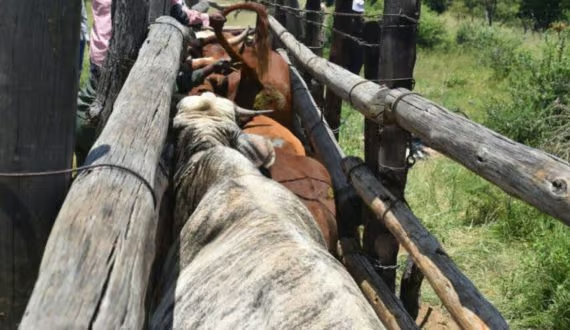
Zimbabwe, Botswana vaccinate 72,000 cattle against FMD as South Africa battles outbreak control challenges
The five-day vaccination campaign targeted high-risk livestock areas along the Zimbabwe-Botswana border.
-
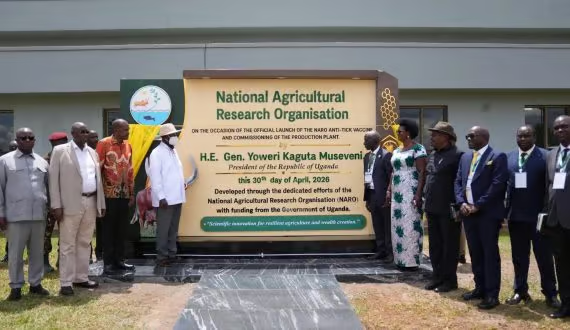
Uganda launches anti-tick vaccine to cut livestock losses and boost productivity
The vaccine is administered in three initial doses at day 0, day 30, and day 180, protecting for up to 1 year, with booster doses required thereafter.
-
MSD Animal Health secures UK approval for 7-in-1 salmon vaccine as aquaculture intensifies
The vaccine is designed to protect against a broad range of bacterial and viral diseases, including infectious pancreatic necrosis virus (IPNV), furunculosis, cold-water vibriosis, vibriosis, winter ulcer disease and yersiniosis.
-
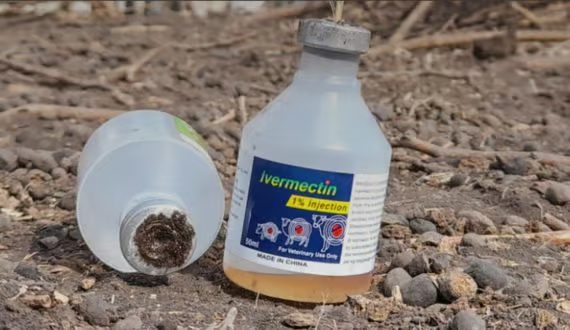
Common livestock dewormers may be failing across Africa, ILRI reports
In sheep alone, infections can lead to a 58% reduction in weight gain, a 90% loss in wool production, and a 78% decline in milk yield
-
ILRI joins KSPCA and Nairobi County in rabies vaccination campaign
A new phase of Nairobi’s rabies vaccination campaign begins this March, with ILRI joining KSPCA and county authorities in efforts to reach over 10,000 animals.
-
OBP annual report exposes deepening crisis in South Africa’s vaccine production
For more than a decade, OBP has struggled with outdated infrastructure, mismanagement, and leadership instability.
-
Tuberculosis vaccine research aims to boost livestock immunity
The findings could reduce livestock dependence on antibiotics, improve animal welfare, and lower agriculture’s environmental footprint.
-
FAO launches nationwide livestock vaccination drive in Sudan
The campaign is expected to deliver long-term benefits for livestock keepers, service providers, and consumers both within Sudan and across its trading partners.
-
UK Government unveils framework to bolster veterinary vaccine supply
Officials hope the framework will strengthen resilience against animal disease threats while maintaining public confidence in vaccine effectiveness.