Govt. Policy and Regulatory
-

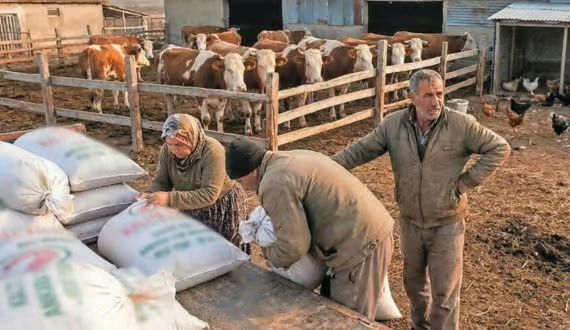
Turkey removes VAT exemptions on feed premixes as cost pressure livestock sector
Industry stakeholders say the change could raise feed costs by around 3–6%.
-
Cargill report highlights global mycotoxin risks as Brazil halts soybean exports to China
Multi-mycotoxin contamination continues to pose a major challenge for global feed production, according to the 2025 Global Mycotoxin Report
-
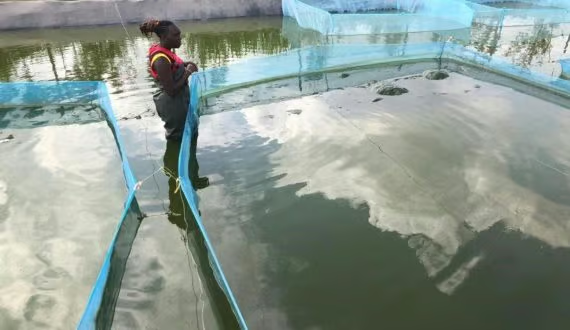
Zimbabwe’s aquaculture sector surges as fish farmers multiply
The initiative is addressing feed shortages and high production costs, including research into alternative feed sources such as black soldier fly larvae, and is supporting sustainable growth.
-
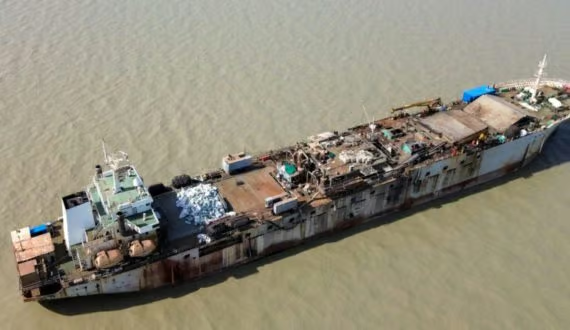
Guinea-Bissau bans fishmeal production to protect fish stocks and food security
The transition of the fishmeal industry from land to sea represents a significant shift in the regional “blue economy” landscape, carrying profound fiscal and environmental implications.
-
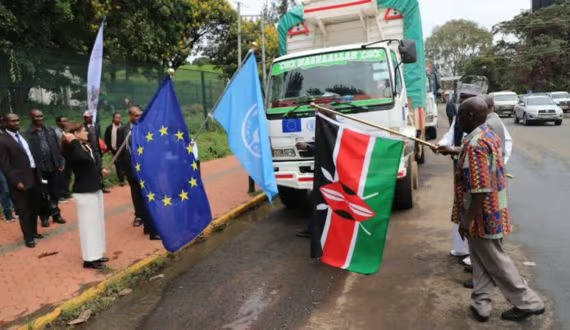
Kenya, FAO and EU launch livestock feed support for drought-hit Mandera
The feed is intended to stabilise livestock body conditions and protect pastoral livelihoods at a time when pasture has been depleted, and water sources have shrunk.
-
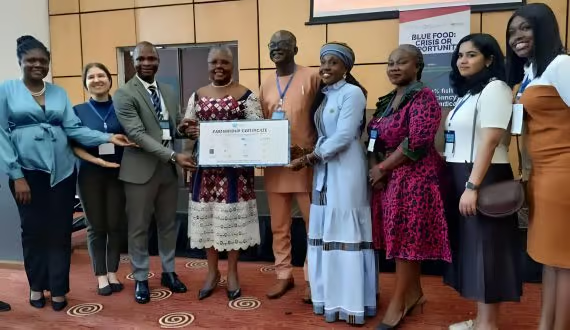
Ghana launches Blue Food Innovation Hub to upgrade fisheries and aquaculture
The initiative targets US$10 million in investments by 2036
-
Kenya targets 450,000 MT fish output under new blue economy strategy
The current fish production is 163,000 metric tonnes, and it is projected to increase by 36% by 2030.
-
Rwanda Parliament reviews new animal health bill
The draft legislation seeks to strengthen genetic conservation, improve disease control, and regulate fisheries.
-
Thai aquafeed firm partners with Bangladesh to modernise aquaculture
In a pilot study conducted in 2023–2024, which served as a proof-of-concept, researchers achieved 4.3 MT of seabass per acre with an FCR of 1.2.
-
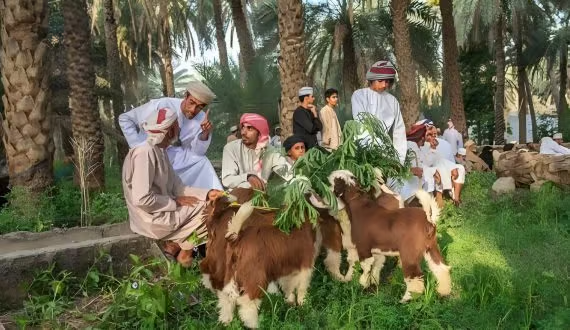
Oman opens 20 livestock investment projects in Buraimi
Nearly 800 feddans (roughly 830 acres) allocated to expand sheep, goat, and fodder production