
Fodder
-

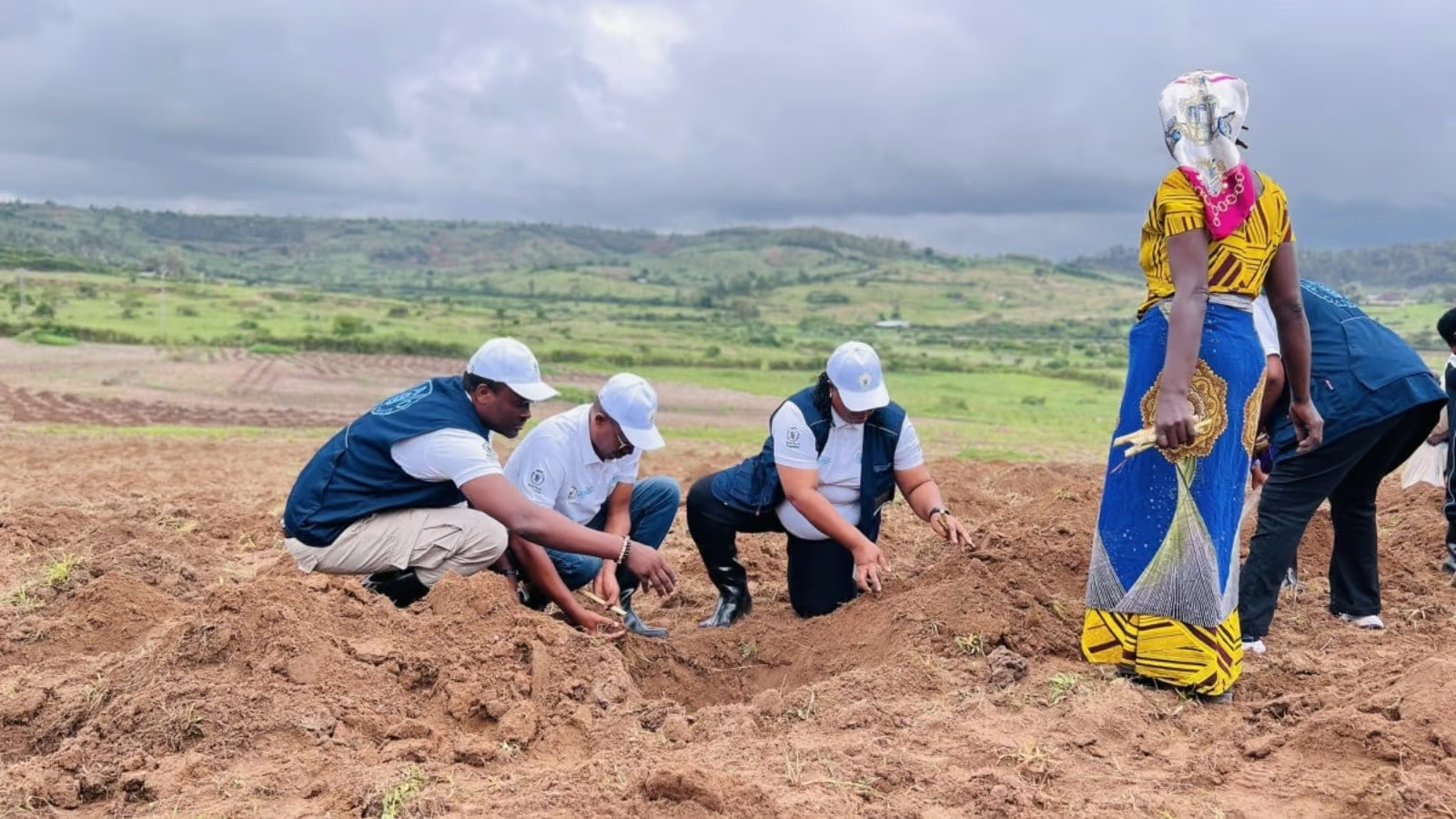
Rwanda to distribute 15 million pasture grass seedlings to livestock farmers
The initiative aims to improve fodder availability, support milk production, and reduce livestock losses during dry seasons.
-
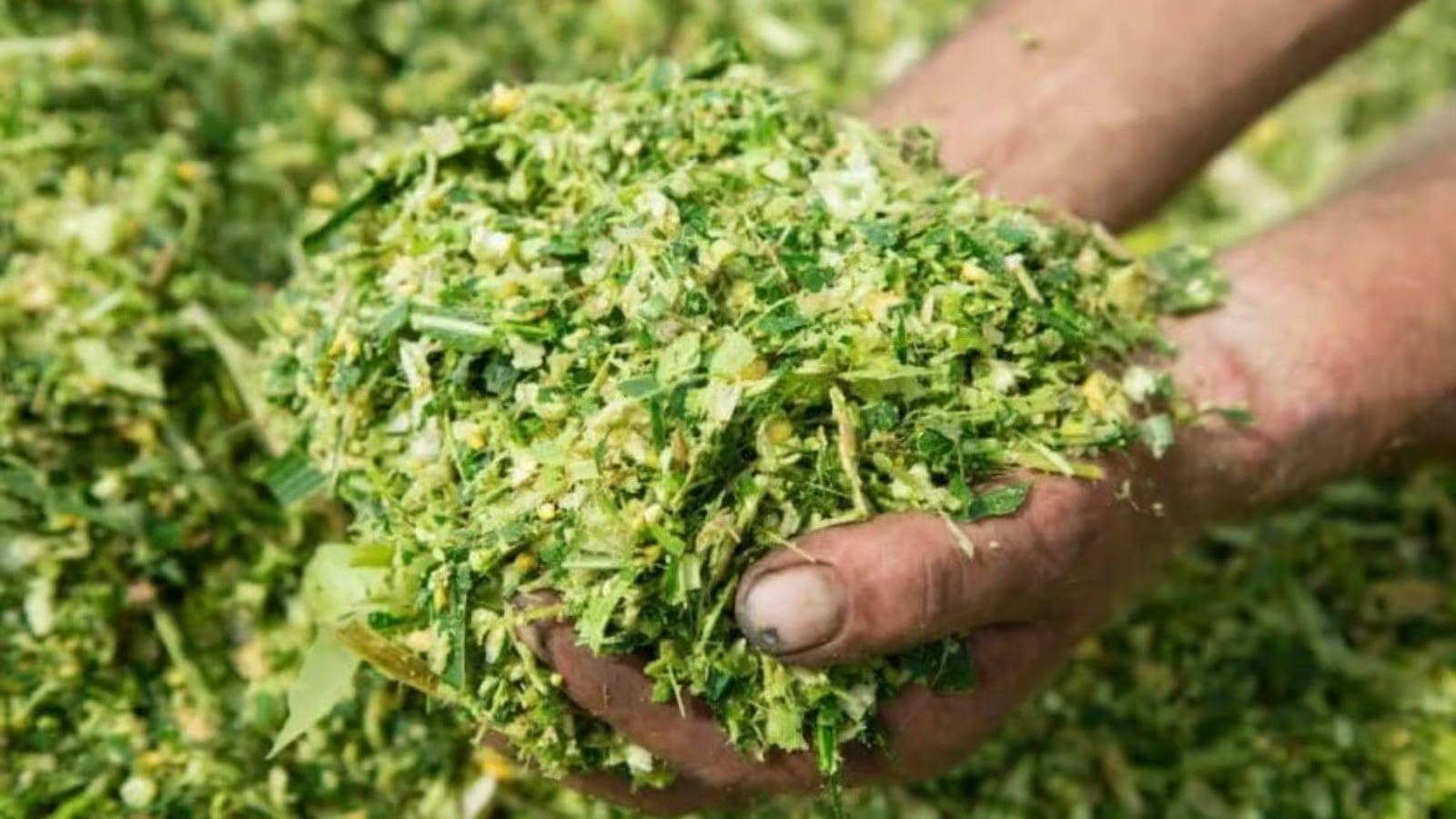
India introduces silage subsidy to tackle dairy feed shortages
The programme offers eligible livestock owners ₹3 (US$0.03) per kilogram of purchased silage to improve fodder access, manage feeding costs and maintain cattle nutrition during drought.
-
AU-IBAR calls for livestock genetic resources in Africa’s seed agenda
Africa’s seed policies have long prioritised crops, but livestock genetics, forage and rangelands are critical to building climate-resilient animal production systems.
-
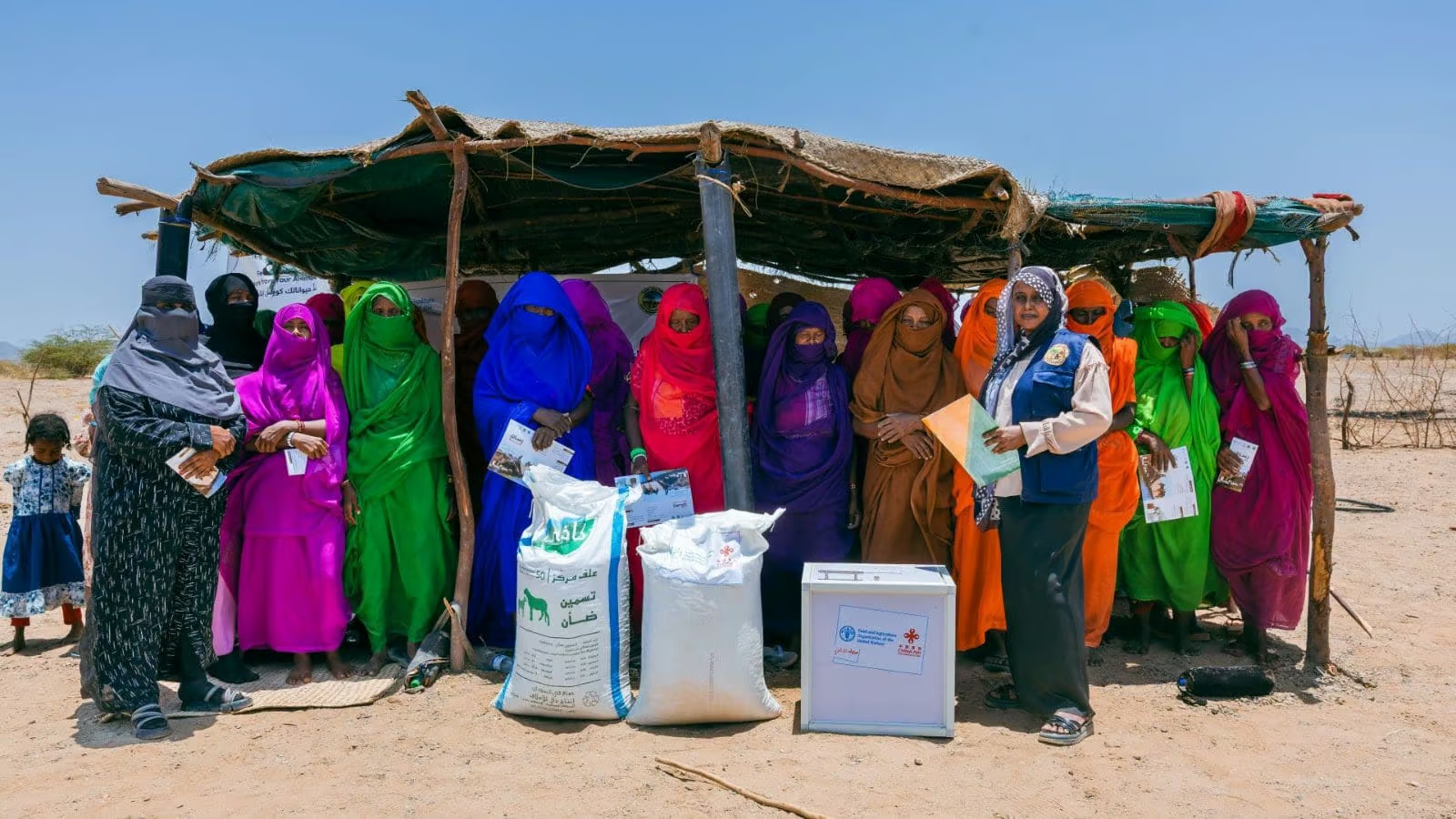
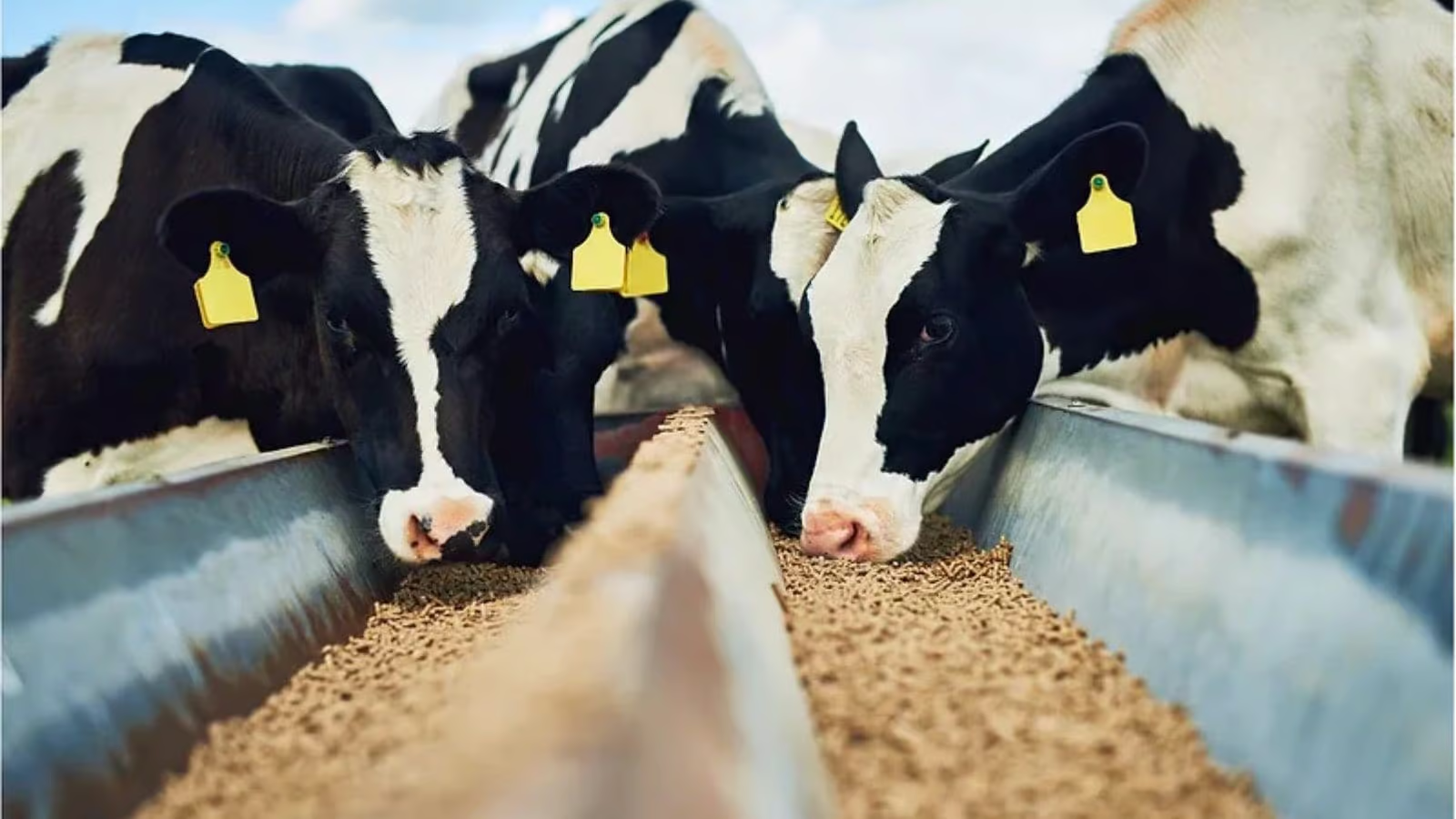
FAO distributes livestock feed to 3,200 vulnerable Sudanese households
FAO has distributed 100 tonnes of concentrated feed to 3,200 Sudanese households to support livestock during drought-driven feed shortages.
-
FEFAC warns EU heatwaves could trigger major feed supply shortfall
FEFAC said lower forage production will widen the EU’s feed protein deficit, increasing demand for imported soy products.
-
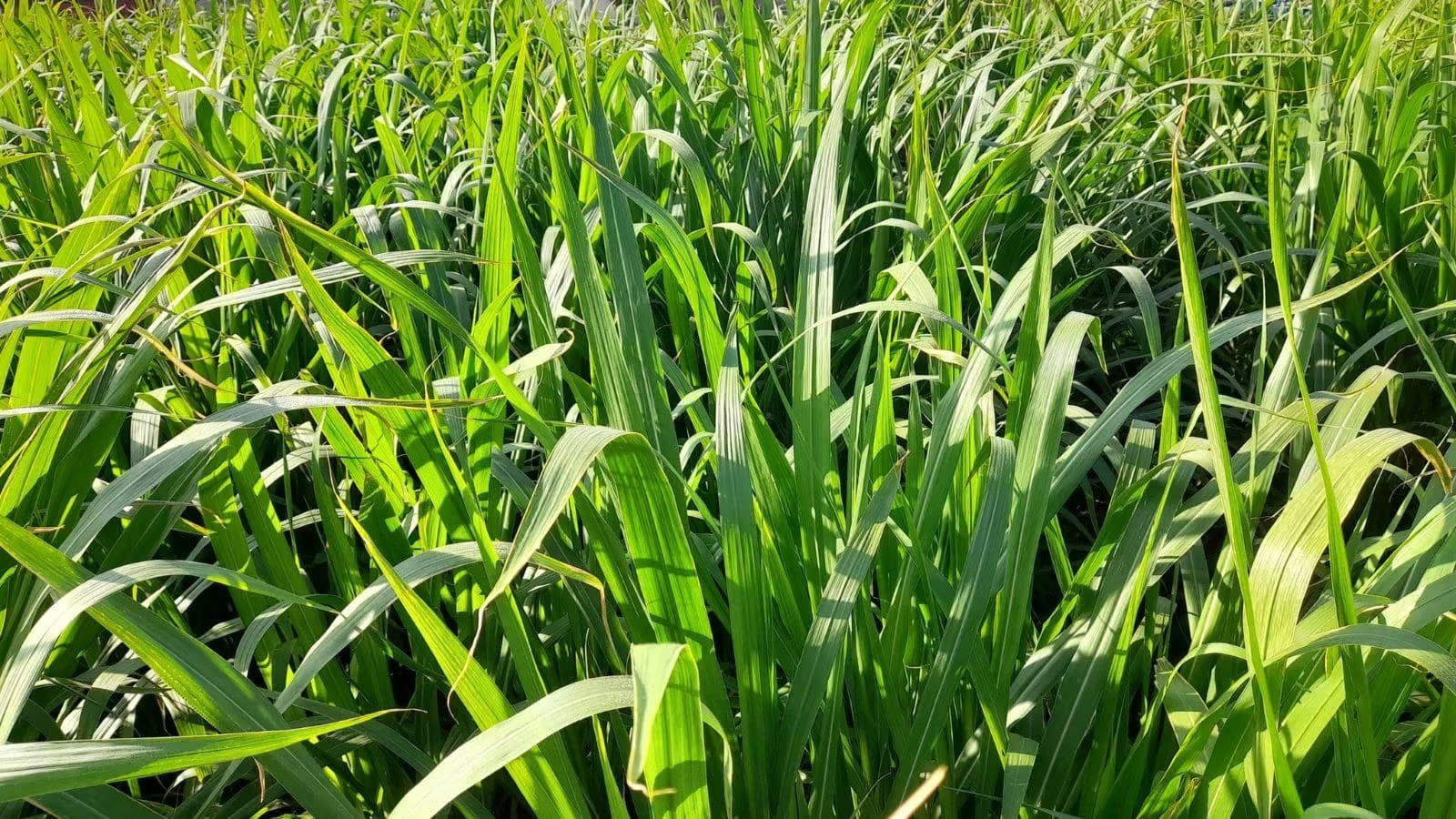
Zimbabwe farmers turn Juncao grass into livestock feed business
Juncao contains about 18.6% crude protein and a high natural sugar content (around 7%), making it excellent for making quality silage without adding extra molasses.
-
Kenya Veterinary Association urges pre-positioning of feed, vaccines as El Niño threatens livestock sector
KVA is calling for emergency pre-emptive livestock vaccination campaigns.
-
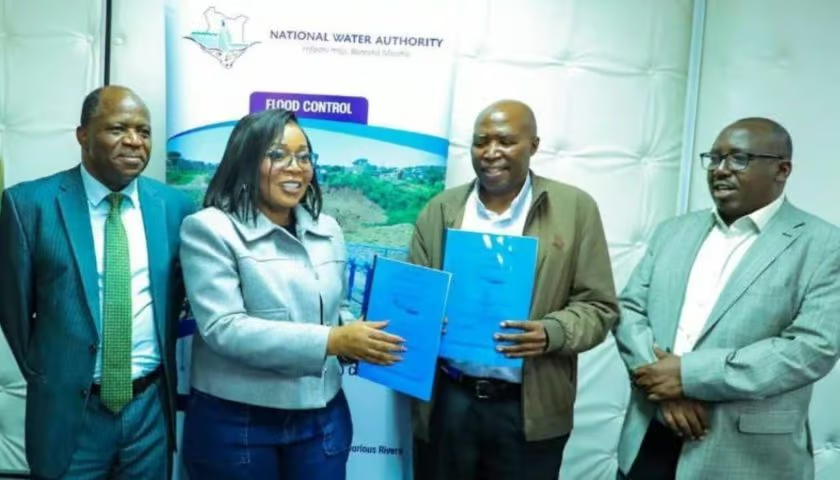
Kenya to develop large-scale lucerne project with feed mill in Tana River
Lucerne farming involves cultivating a perennial legume widely known as alfalfa.
-
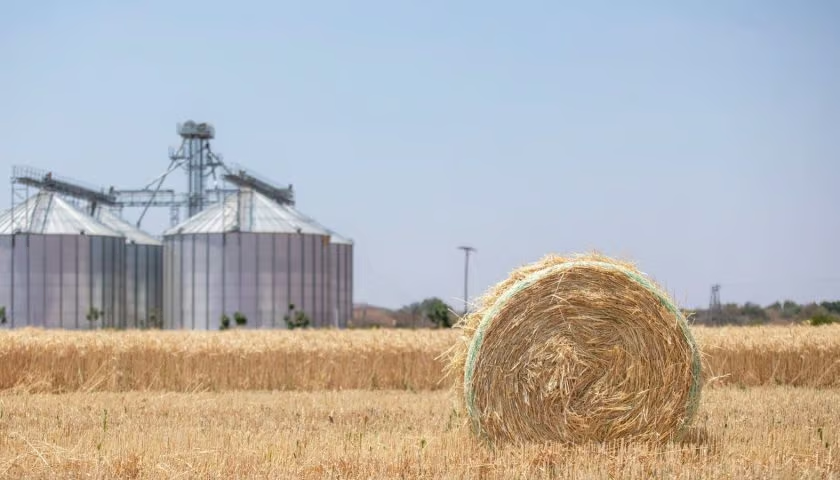
Botswana secures US$20.8M investment to boost local fodder production
The fodder strategy will help reduce overgrazing and #landdegradation while simultaneously creating opportunities for import substitution.
-
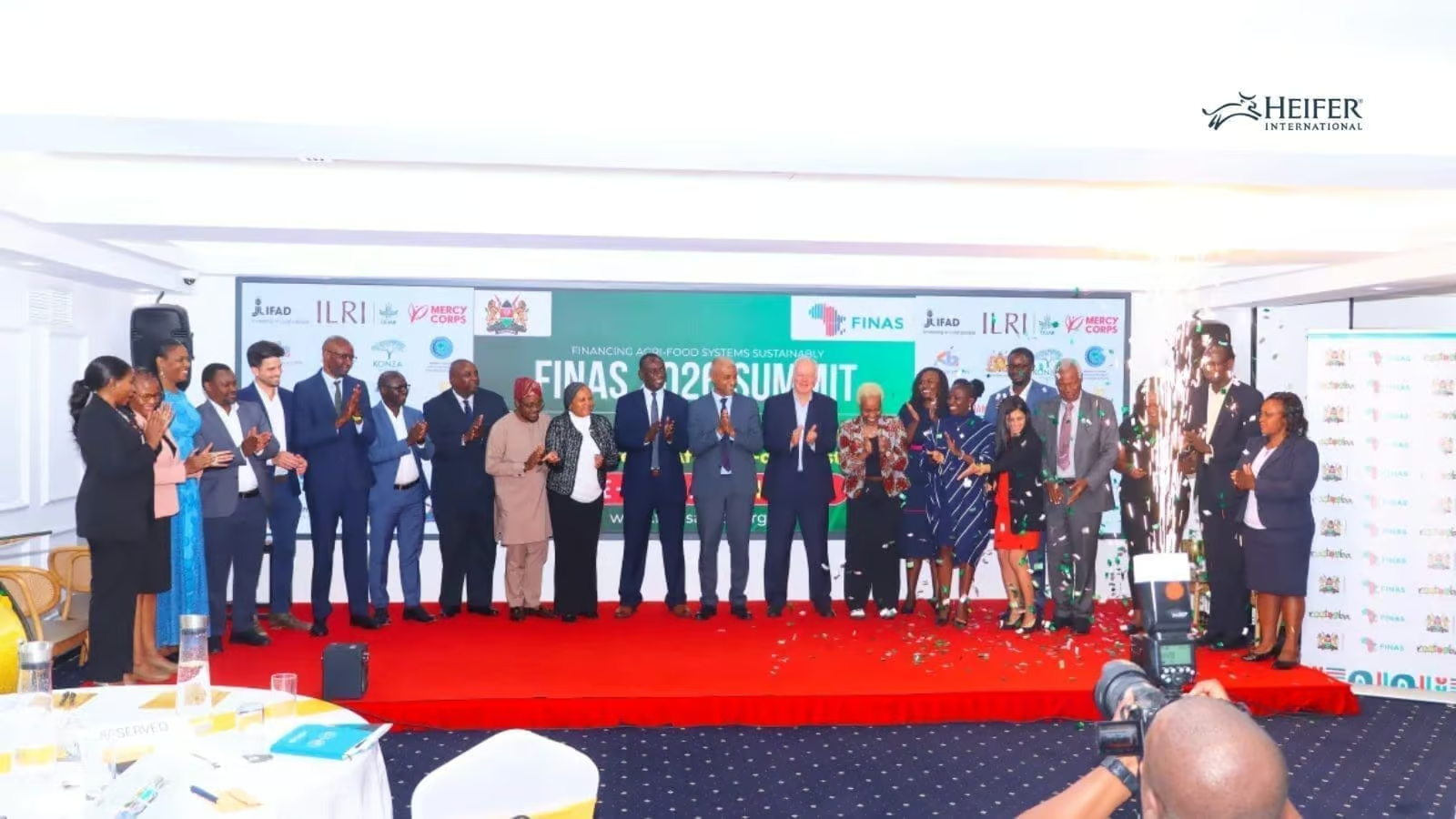
Heifer to push farmer-centred financing reforms at FINAS 2026 summit
The event will explore investment opportunities across Africa’s agrifood sector, including financing for sustainable feed and fodder production to strengthen livestock productivity.