
FAO
-

Nigeria, FAO join forces to curb livestock diseases
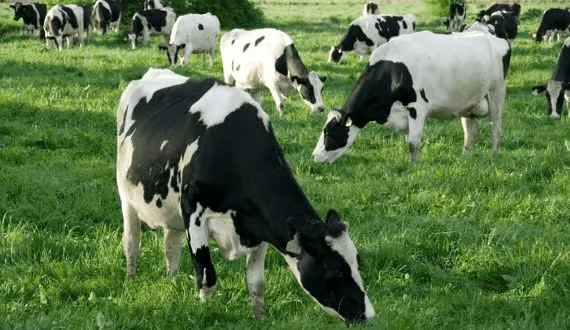
The initiative aims to strengthen the country’s capacity to detect, prevent, and respond swiftly to zoonotic and transboundary animal diseases.
-
FAO, WOAH urge stronger global action to eradicate peste des petits ruminants by 2030
Since its discovery in 1942, the disease has spread to more than 70 countries across Africa, Asia, the Middle East, and Eastern Europe.
-
FAO champions sustainable livestock future during Livestock Week in Rome
Feed production, FAO noted, underpins not only livestock productivity but also food security, animal health, and the environment.
-
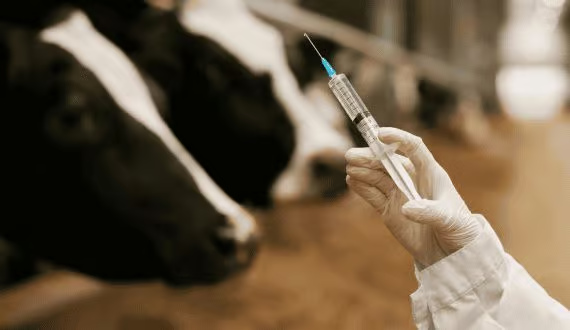
FAO launches nationwide livestock vaccination drive in Sudan
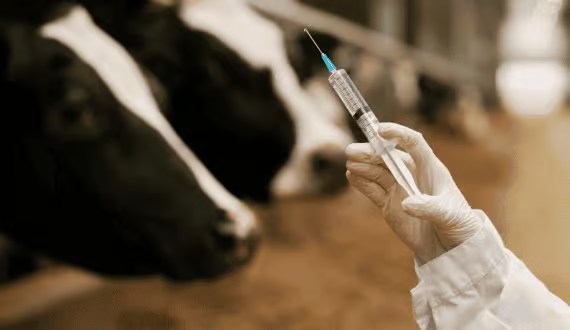
The campaign is expected to deliver long-term benefits for livestock keepers, service providers, and consumers both within Sudan and across its trading partners.
-
FAO raises global cereal production forecast to almost 3B tonnes
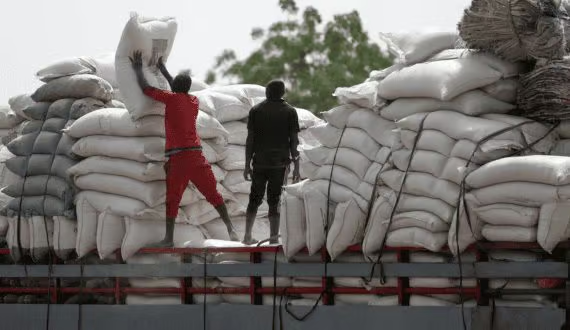
Data shoes that there has been an inncrease in the demand for wheat feed in the European Union and Thailand, particularly in aquafeed production.
-
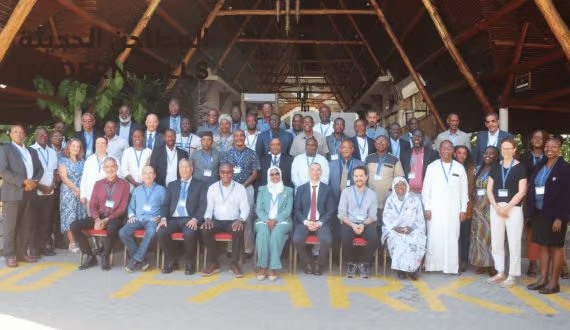
FAO strengthens animal health and production coordination in Southern Africa
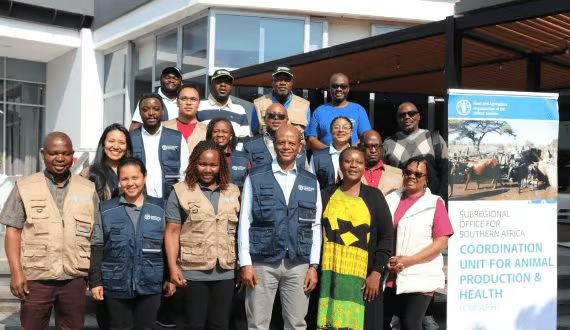
FAO and CUFAPH aim to build resilient and sustainable livestock systems that support livelihoods and food security for millions across Southern Africa.
-
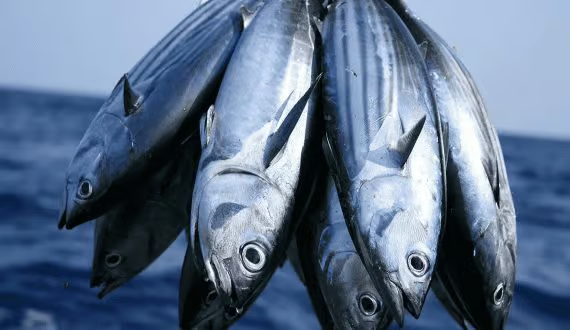
Nigeria launches US$135,000 aquaculture project to boost local fish production
The project aims to boost local fish production by enhancing access to finance for smallholder fish farmers.
-
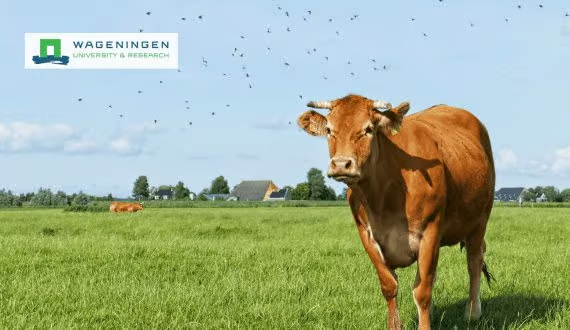
Wageningen Bioveterinary Research retains FAO Reference Centre status in fight against FMD
This designation reaffirms WBVR’s critical role in international efforts to improve diagnostic tests, strengthen veterinary services, and develop science-based disease control strategies.
-
FAO launches toolbox for Veterinary Drugs Residues Risk Assessment
This toolbox will facilitate the fair trade of animal-derived food products by establishing internationally recognised limits for veterinary drug residues.
-
AU-IBAR, FAO advance efforts to combat animal trypanosomiasis in Africa
Animal African Trypanosomosis is a parasitic disease transmitted by tsetse flies that severely impacts livestock health, productivity, and food security in Africa.