
Ethiopia
-

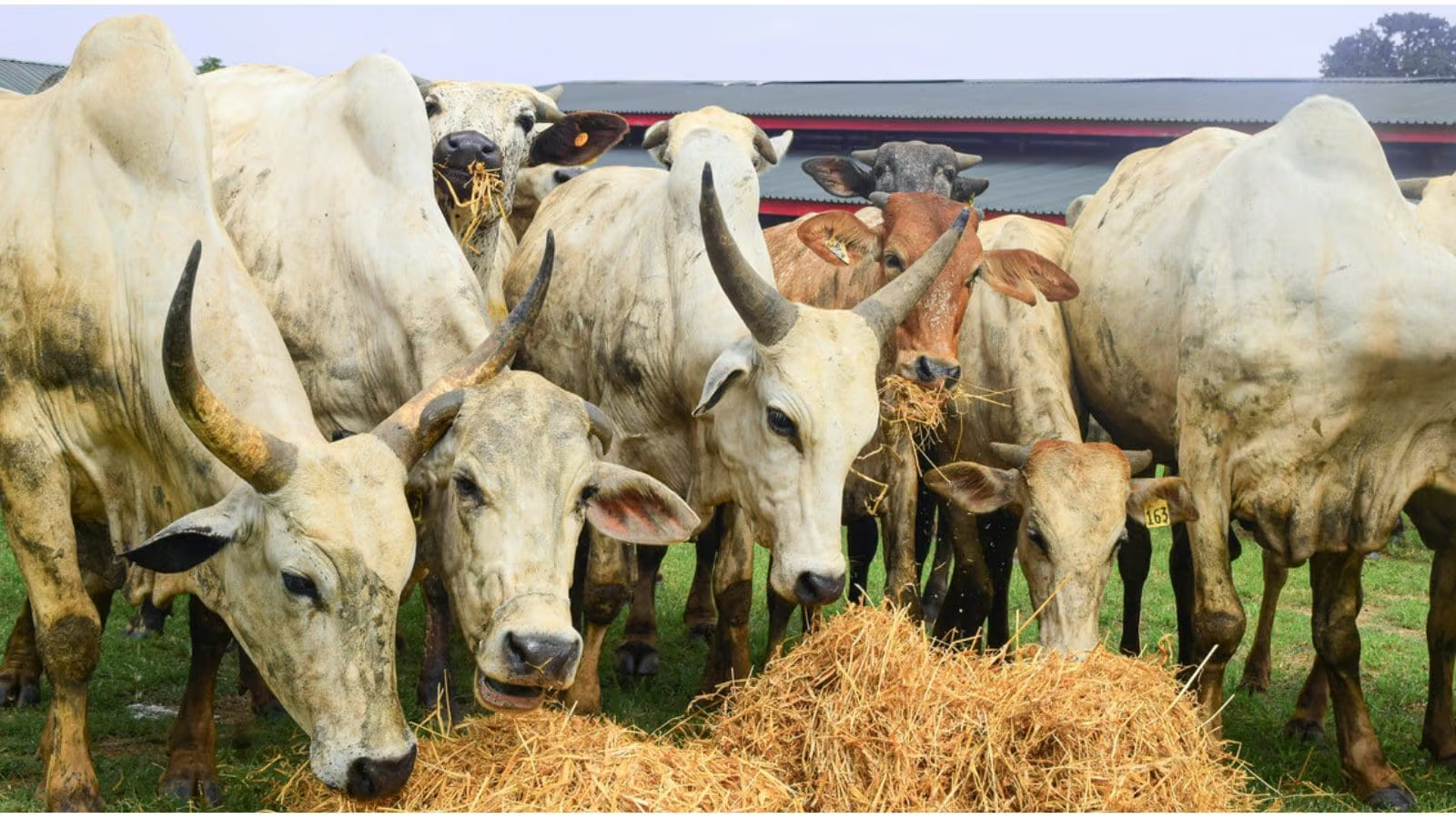
Bovine tuberculosis affects 7.86% of Ethiopia’s cattle
A review of 34 studies identifies herd size, cattle age and breed as key risk factors, highlighting the need for stronger livestock surveillance and farm biosecurity.
-
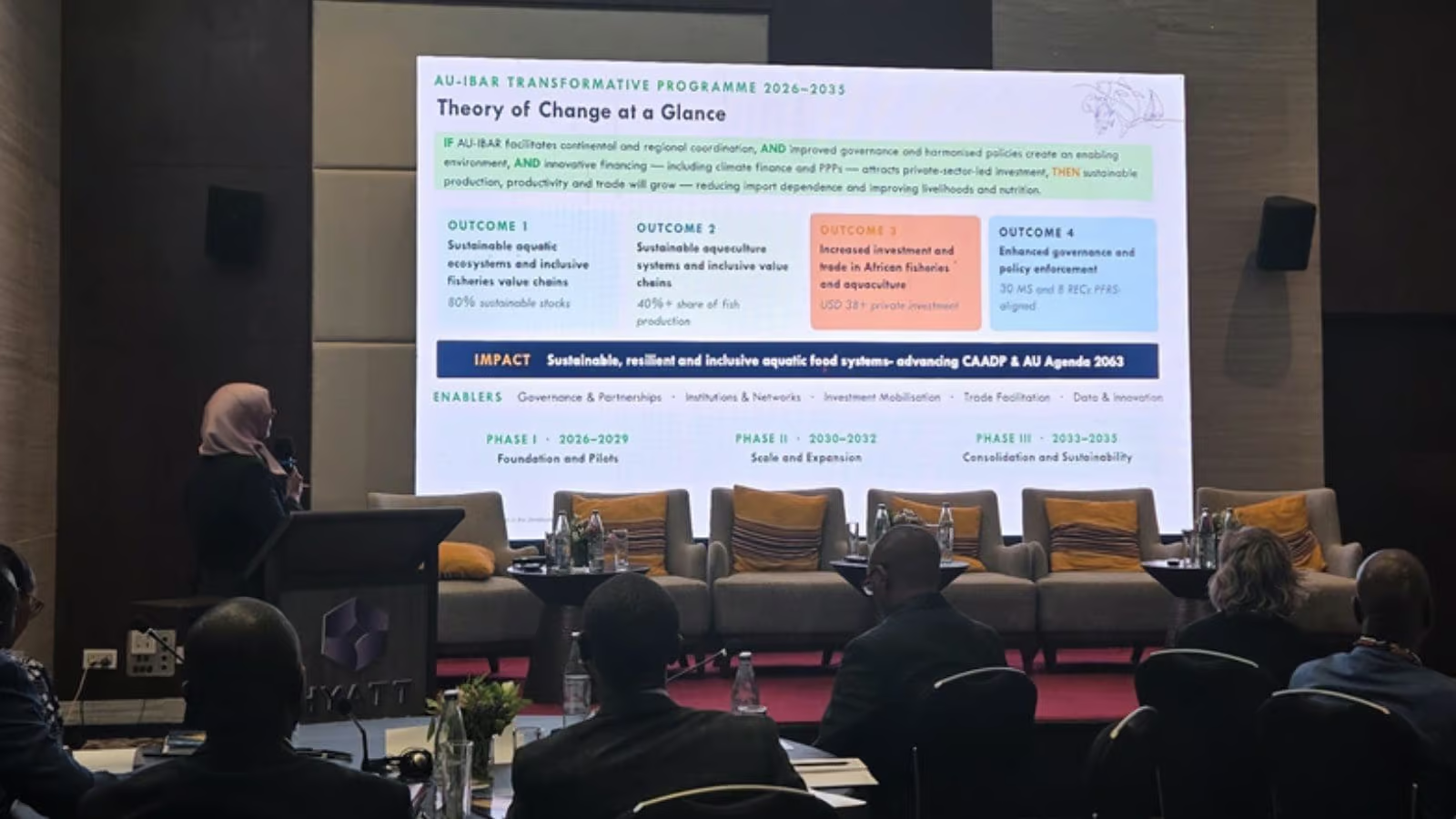
African Union endorses 10-year fisheries and aquaculture programme
The plan targets barriers to aquaculture growth, including limited access to feed, seed, technology and finance, while prioritising investment and stronger regional coordination.
-
Ethiopia prepares FMD vaccine trial to strengthen disease control
The January 2027 trial will generate evidence on vaccine performance under Ethiopian conditions, supporting future vaccination strategies and livestock productivity.
-
Nigeria, UNIDO discuss digital livestock traceability
Nigeria is exploring digital livestock identification to strengthen animal health monitoring, market access and efforts to combat livestock theft.
-
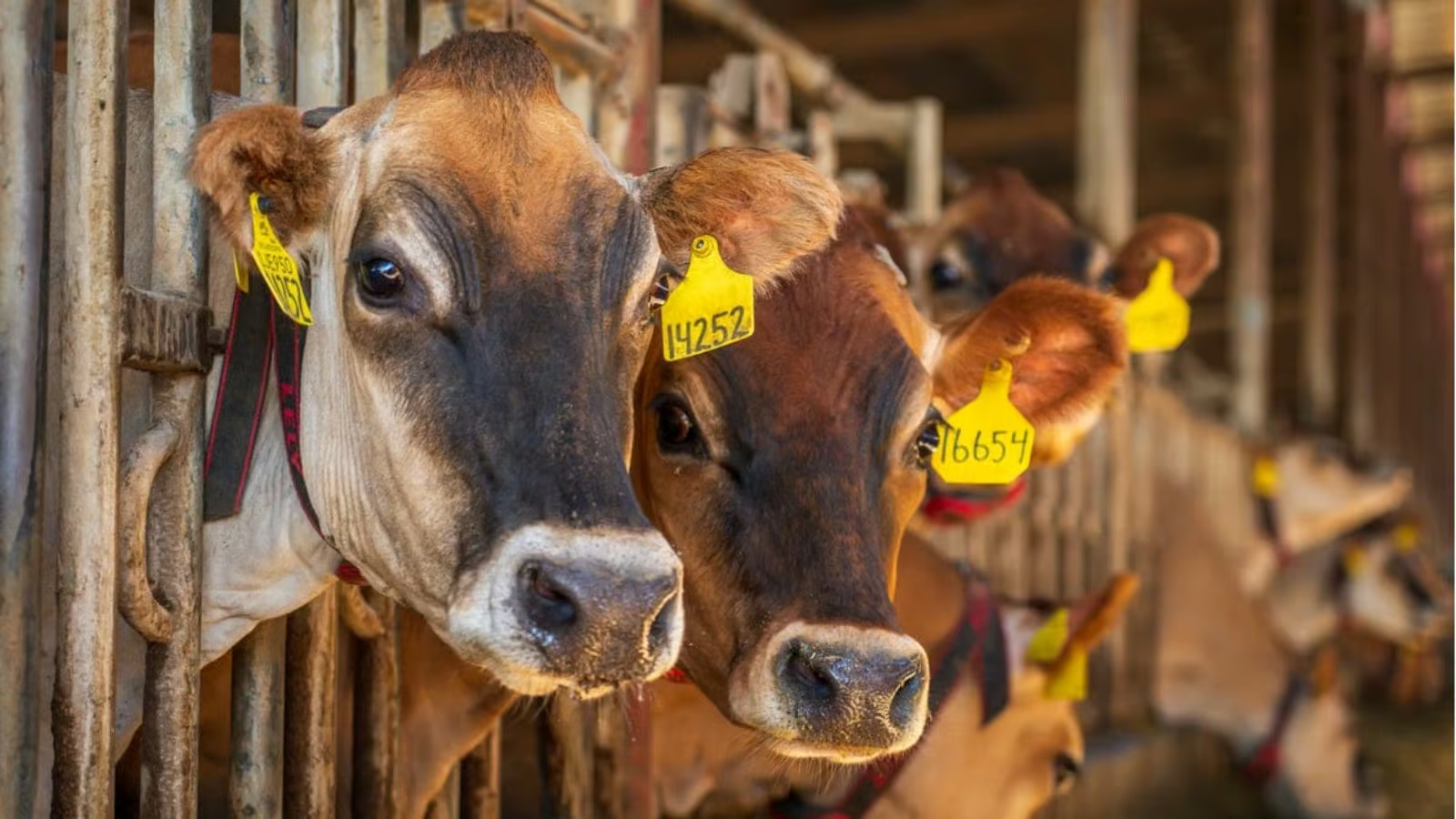
Ethiopia launches digital livestock identification system for dairy cattle
The platform will provide a structured system for recording animal information and tracking livestock throughout their production and movement.
-
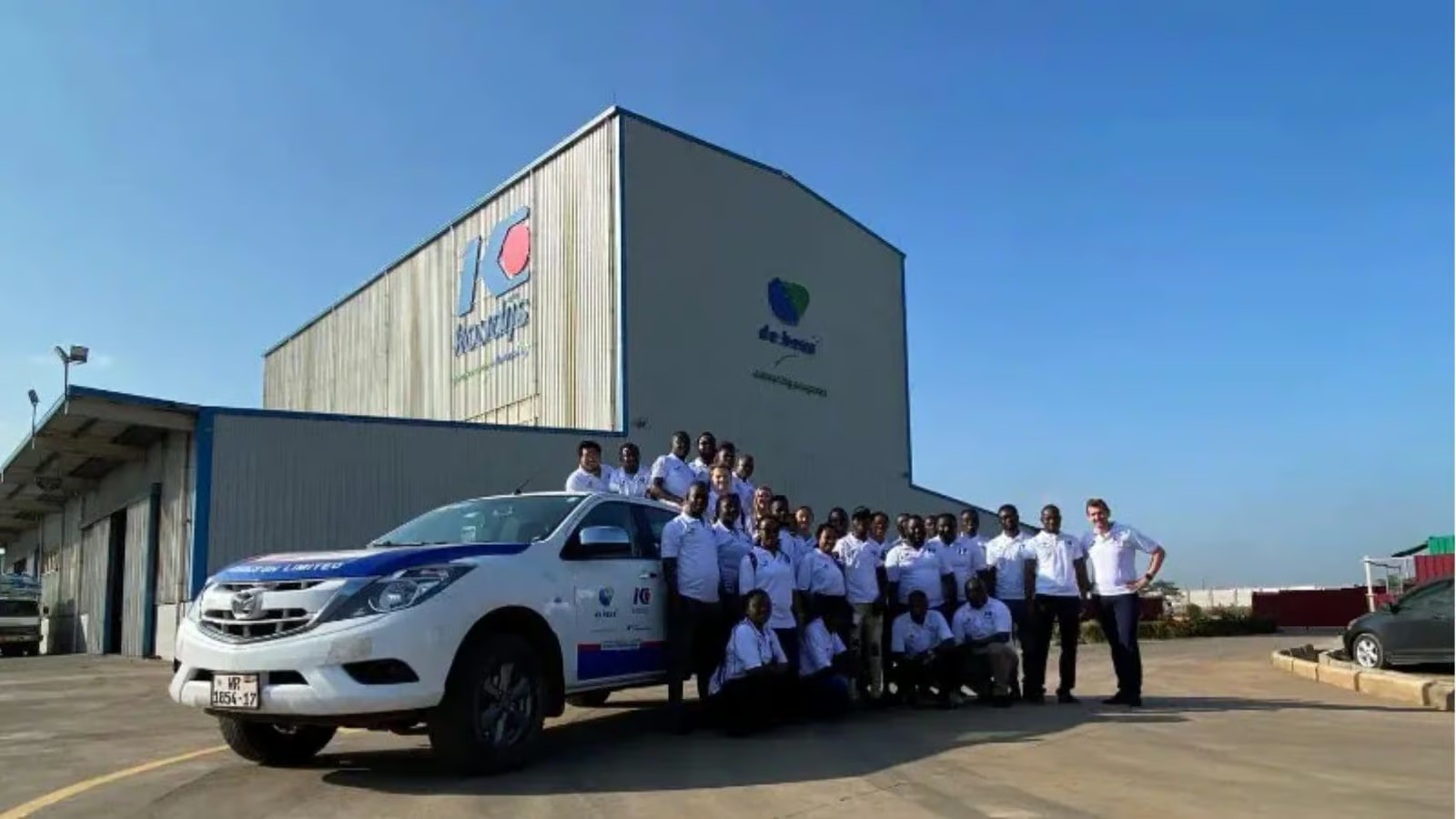
IFC commits US$10M to expand De Heus joint venture in Ethiopia
The total project cost is estimated at US$12.3 million.
-
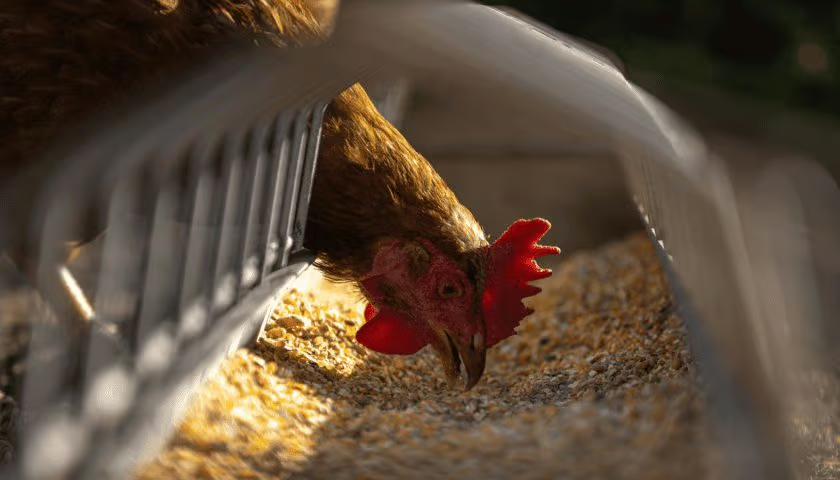
Nutropia advances integrated poultry and feed ambitions in Ethiopia
The ambition highlights the need to strengthen Ethiopia’s local feed manufacturing capacity as poultry production expands.
-
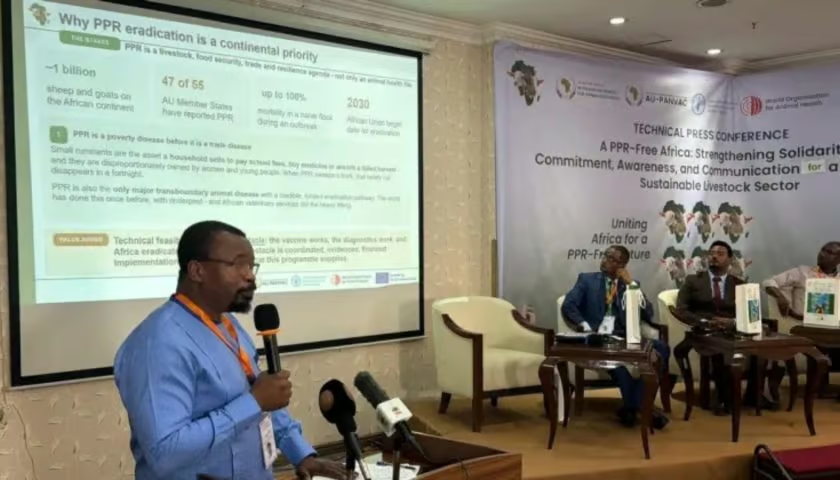
African countries strengthen PPR eradication drive as national programmes expand
Eliminating PPR would protect livestock assets that millions of African households depend on for food security, income and resilience.
-
AU-IBAR launches continental initiative to strengthen Africa’s pastoral livestock markets
Africa’s livestock productivity depends on stronger feed systems, better market access and increased investment across pastoral value chains.
-
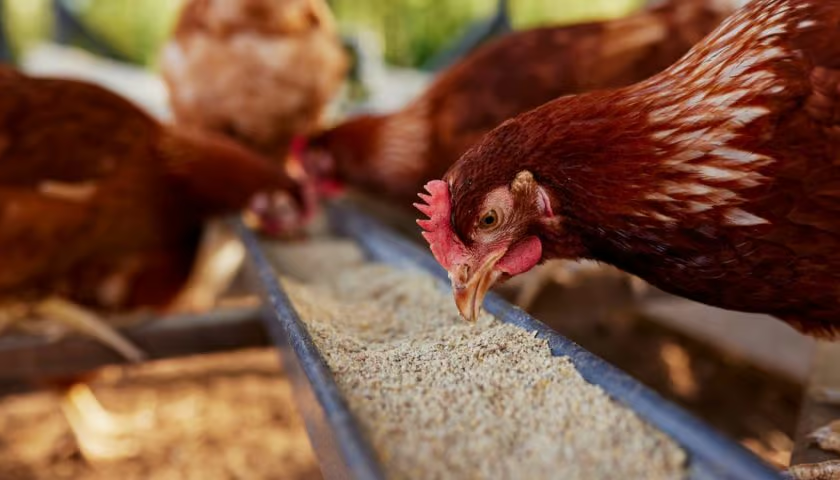
Study finds GMO feed safe for livestock, highlights productivity gains
The study found that GMO feed does not adversely affect livestock health or production.