Dairy
-

H5N1 adaptation in USA dairy herds sparks biosecurity concerns
H5N1 is a subtype of the influenza A virus that primarily causes avian influenza in birds, but it can also infect mammals.
-
Kenya greenlights US$75M livestock project to revamp dairy industry
The investment will go towards strengthening genetics, enhancing feed and fodder production, expanding cold-chain infrastructure, and supporting farmer organisations.
-
CattleEye data unlocks genetic solutions to lameness in dairy cows
Lameness contributes to growing public concerns regarding longevity of cattle, and causes substantial economic losses in both the dairy and beef industries.
-
Tanzania launches US$2.7M dairy cattle project to boost production
Tanzania’s dairy industry has long faced challenges of low productivity due to limited access to improved breeds and modern technologies.
-
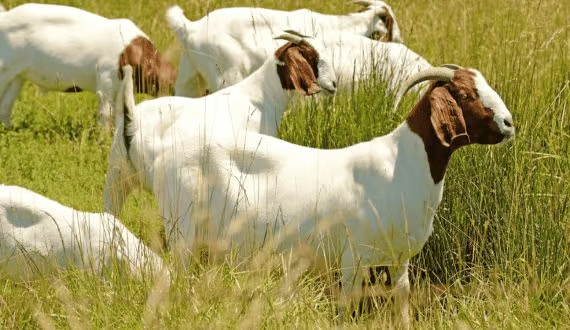
Nyeri farmers receive dairy goats in major boost under FLLoCA programme
This move comes as the Kenyan government intensifies its investments in dairy farming to boost local milk production.
-
China faces 42M tonne milk surplus amid declining demand
The country’s emphasis on self-sufficiency has fuelled rapid output growth, supported by large-scale modernised operations and imported high-yield cattle.
-
SRUC launches world’s first open-source digital twin to transform dairy farming
Farm-twin is a virtual replica of the entire farm system powered by real-time data from sensors, telemetry, and digital tools.
-
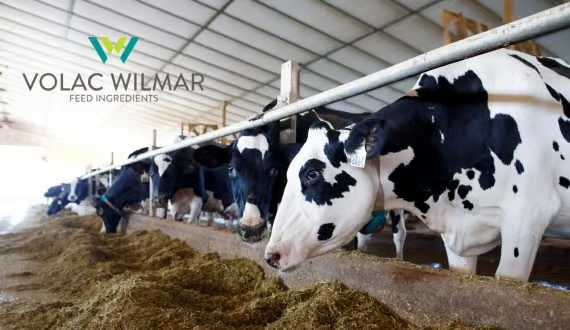
Volac Wilmar unveils upgraded ROI tool to boost dairy farm profitability
The ROI Calculator 2.0 is available free of charge online, providing a data-driven approach for farmers seeking to strengthen their feeding strategies.
-
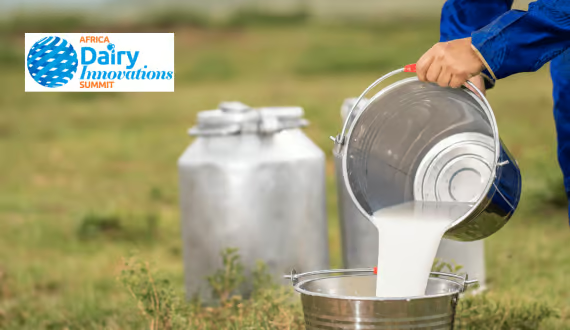
Africa Dairy Innovations Summit 2026 to convene in Nairobi
A highlight of the exhibition will be the Dairy Innovations Hub, where processors will present their latest product innovations to buyers, distributors and investors.
-
Kenya cracks down on aflatoxin in feeds as contamination threatens dairy exports
To ensure safety, CS Kagwe announced that the government will soon launch a Good Quality Milk certification programme.