Aquaculture & Fisheries
-

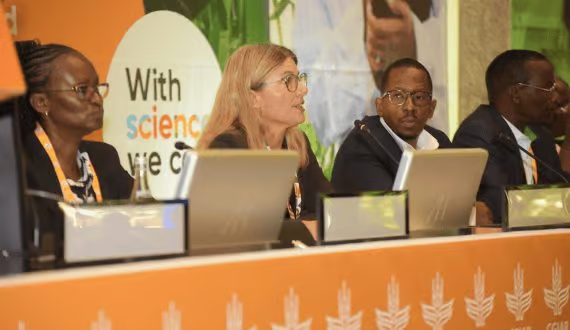
CGIAR launches ambitious program to transform livestock, aquatic food systems
With demand for animal-source foods projected to increase by 30% by 2050, the SAAF program seeks to address the pressing challenge of how to produce more food with fewer environmental costs.
-
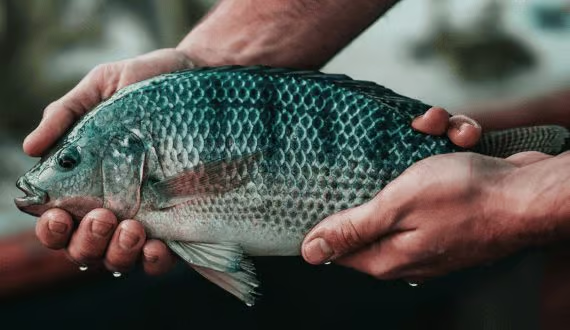
Kenya launches tilapia welfare app to revolutionise fish farming practices
The app is designed to equip tilapia farmers with practical tools to improve fish care and overall farm performance.
-
AlgiSys BioSciences prepares to launch EPA-rich aquafeed ingredient
The new non-GMO ingredient, targeted for use in salmon and shrimp farming, is designed to replace fish oil and fishmeal, reducing pressure on marine ecosystems.
-
Russia, Morocco set to renew fisheries agreement amid growing African aquaculture investments
The agreement will grant Russian fishing vessels access to Morocco’s exclusive economic zone, allowing them to catch up to 80,000 tons of fish in 2025.
-
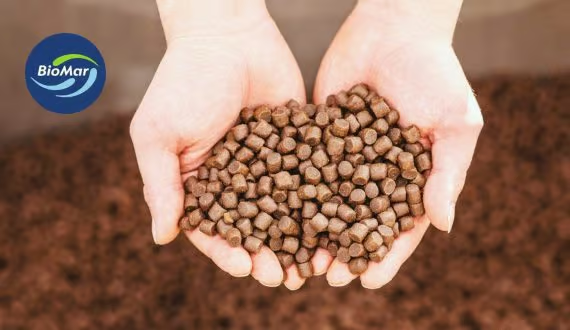
BioMar Costa Rica achieves ASC Feed Certification
Costa Rica will now join Ecuador, Chile, and the United Kingdom on BioMar’s list of ASC-certified production sites.
-
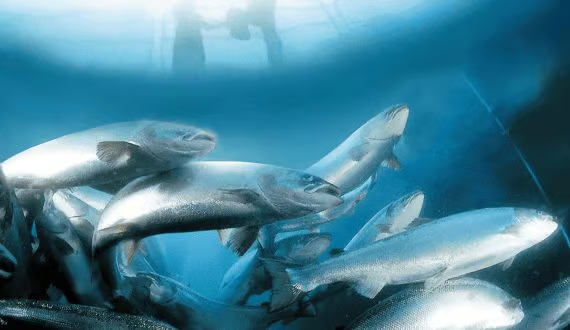
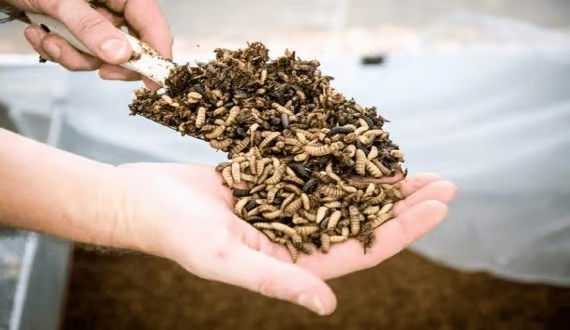
New study shows insect protein boosts salmon growth, quality, and profitability
The study compared a conventional salmon diet with a 4% ProteinX insect meal, replacing soy protein concentrate.
-
Zubair EDC completes feasibility study for fish feed project using azolla
The study highlights the growing need for local fish feed production, given the dramatic increase in imported fish feed by 375% from 2020 to 2023.
-
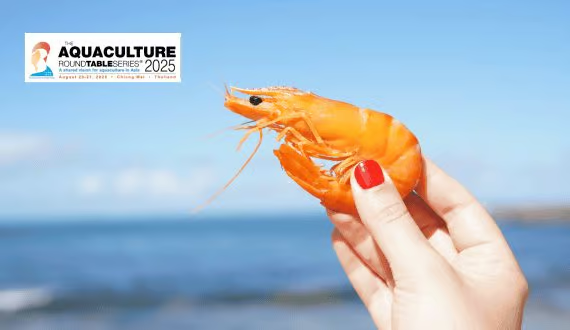
Thailand gears up to host TARS 2025 to advance shrimp aquaculture
Shrimp aquaculture has reached a critical juncture as low prices and persistent disease outbreaks continue to reduce survival rates and productivity.
-
AquaRech launches AquaFedha to bridge Africa’s fish farming credit gap
AquaFedha introduces a tailored credit model that evaluates farmers based on their production potential rather than conventional banking metrics.
-
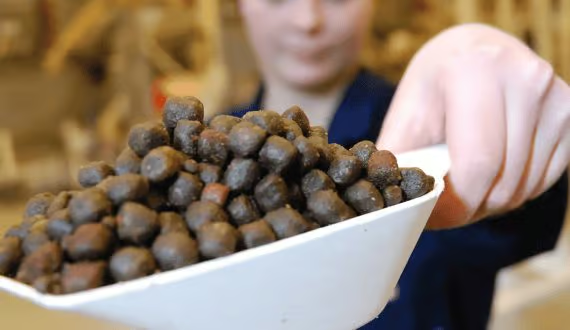
Skretting becomes Japan’s first ASC-certified feed mill
Gihyeon Park, Skretting Japan’s General Manager, states that obtaining ASC Feed Certification aligns with the company’s purpose of “Feeding the Future” sustainably and responsibly.