
Animal Feed
-

BASF explores Evonik deal with feed ingredients in focus
The potential deal comes as European chemical producers face weak demand and high costs, increasing pressure to consolidate and find operational savings.
-
Bangladesh feed prices rise as raw material costs surge
Rising raw-material costs are squeezing feed mill margins and forcing farmers to cut production.
-
Cosmopet expands GCC presence with Bahrain launch
They’ve entered Bahrain through Petzone, expanding its distribution network to three GCC markets while also building consumer presence in Jordan.
-
Nestlé Purina completes US$530M pet food plant expansion in Hungary
The facility will produce up to 500,000 tonnes of pet food annually, with 95% of output exported to nearly 50 countries.
-
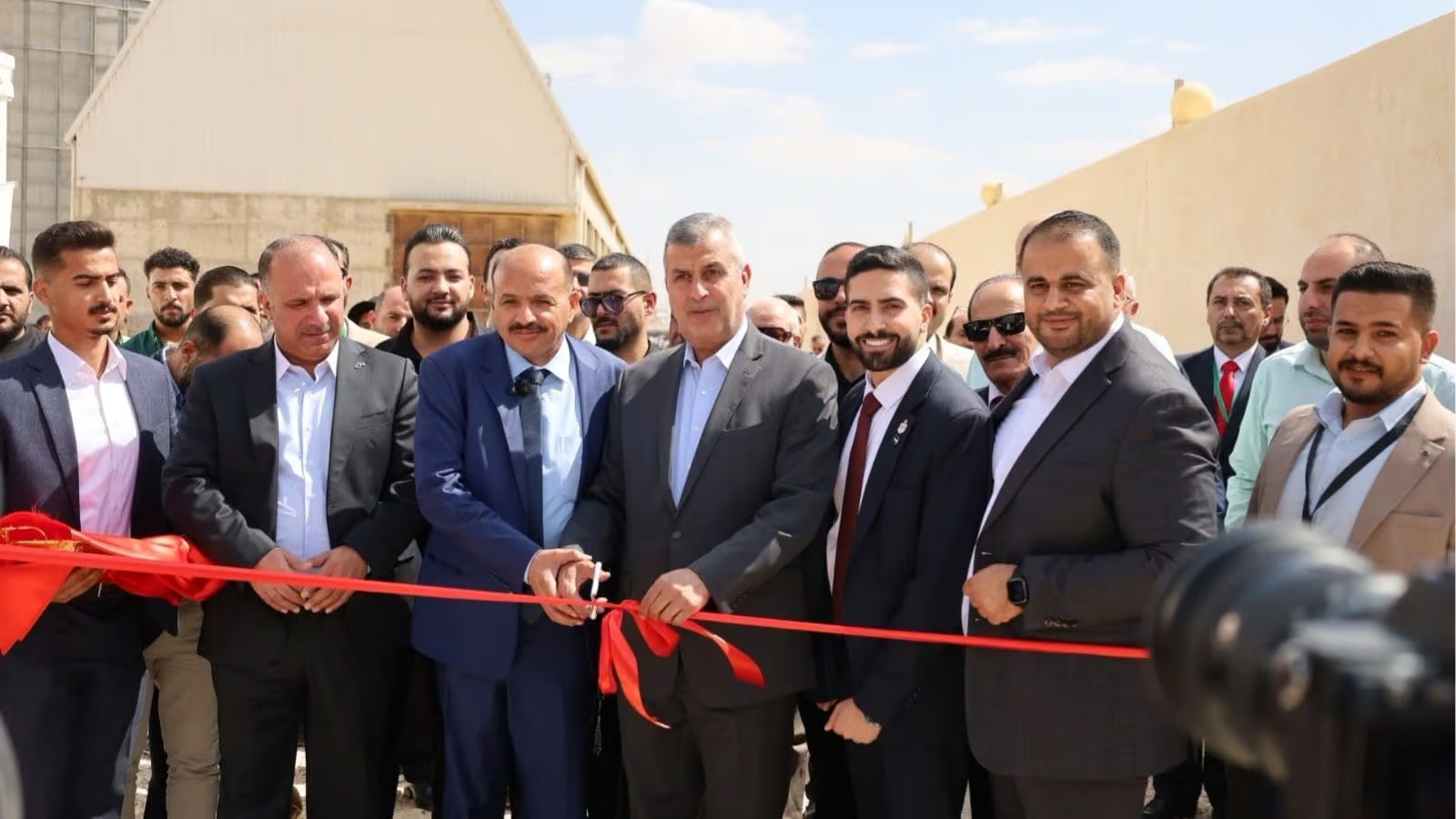
Jordan feed factory adds 2MW solar project to cut energy costs
A 2MW solar project at a Jordanian feed factory will generate electricity and up to 1.35 tonnes of industrial steam per hour.
-
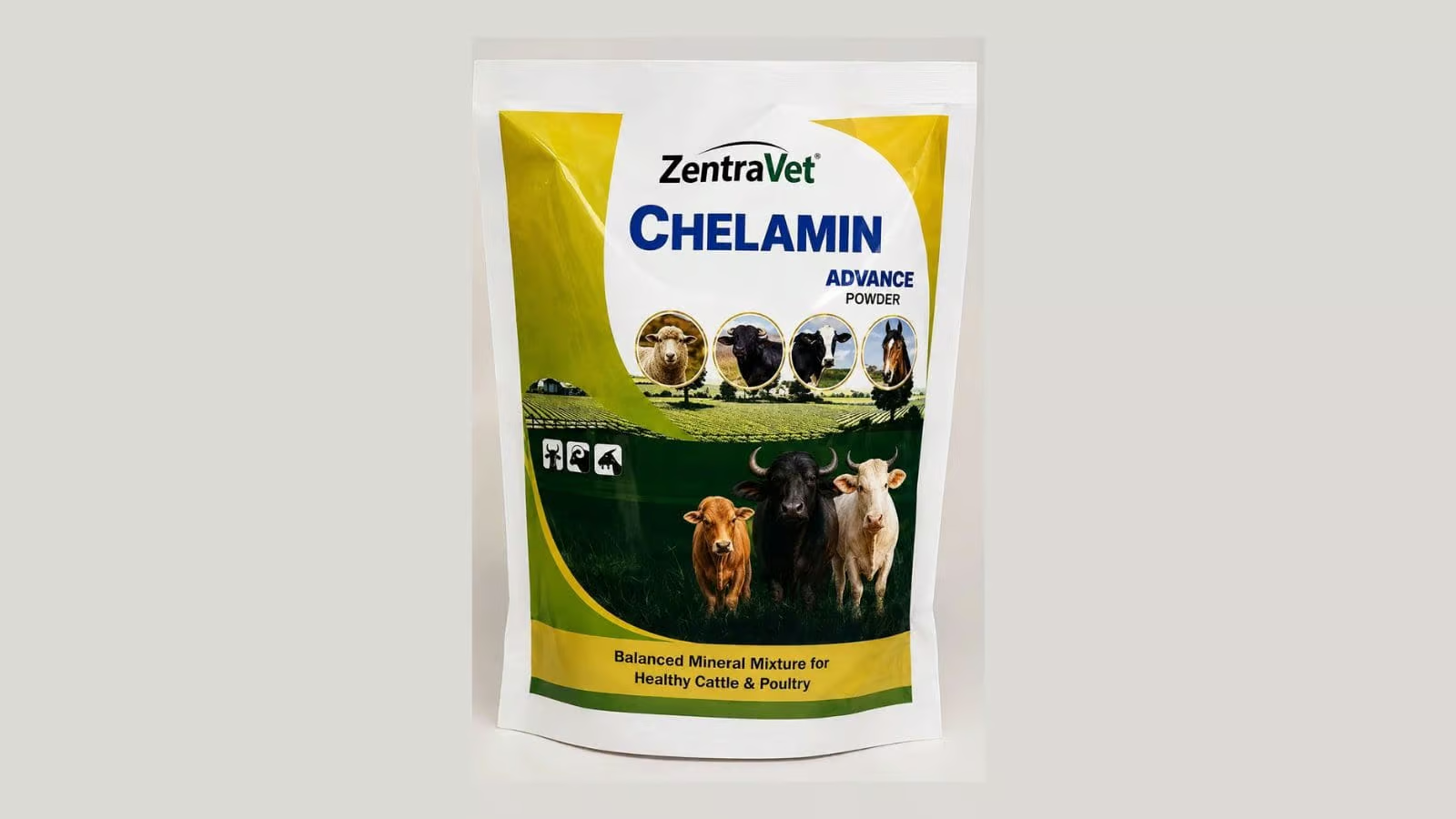
ZentraVet expands animal nutrition distribution network across India
The brand is also seeking to strengthen its local market presence as its distribution network expands, allowing farmers to access its animal nutrition products through local markets.
-
Rabies prevention needs stronger One Health action across Africa
On average, the data recorded 162 rabies cases and 84 deaths in dogs each year, compared with 53 cases and six deaths in humans.
-
Innovafeed, Protix study finds insect protein gains at scale
The assessment argues that industrial-scale production, circular feedstocks and animal-nutrition benefits can improve the sustainability case for insect protein.
-
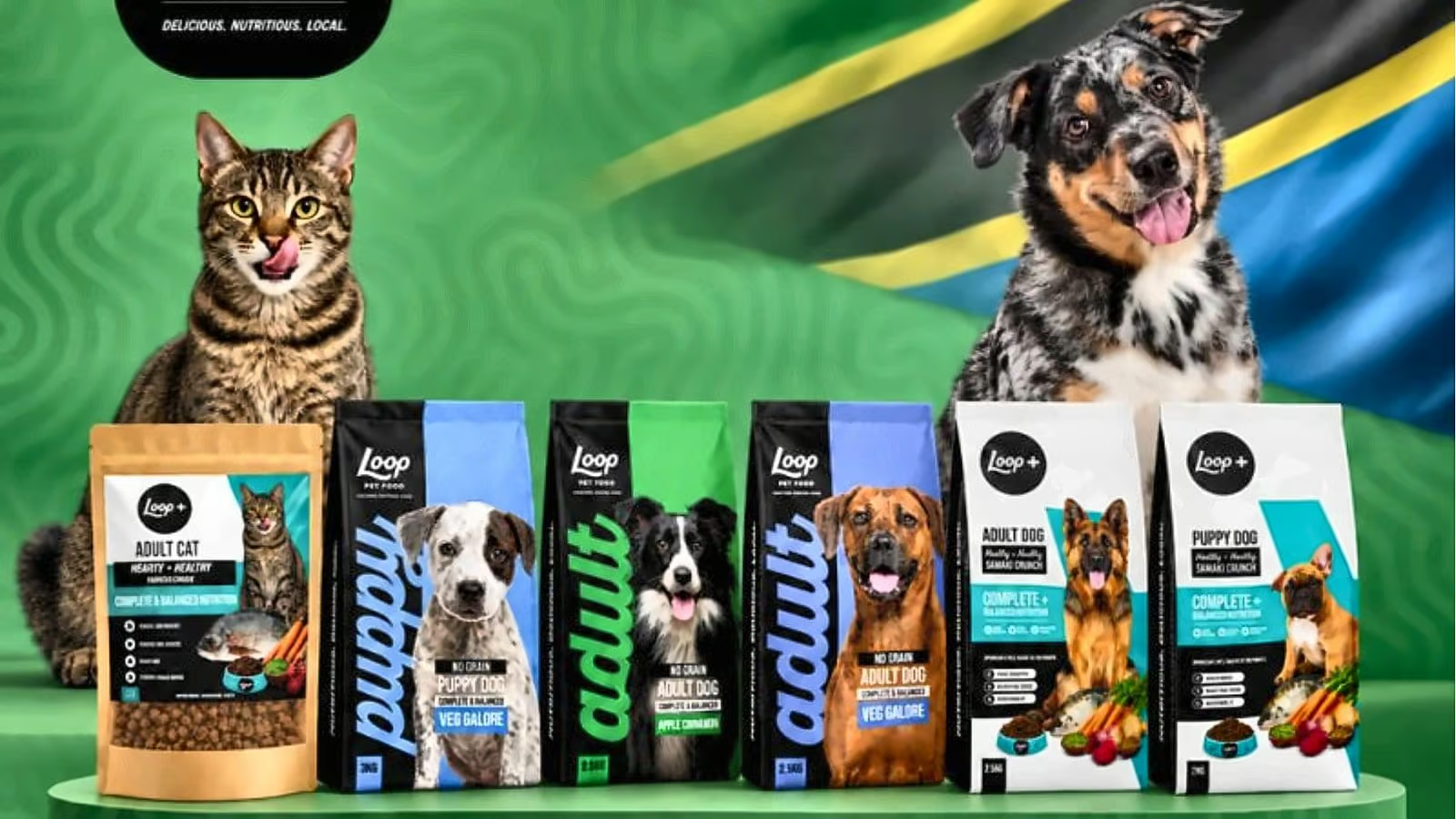
Loop expands East African pet food business into Tanzania
This follows its July launch of the more affordable Loop+ range for East African consumers.
-
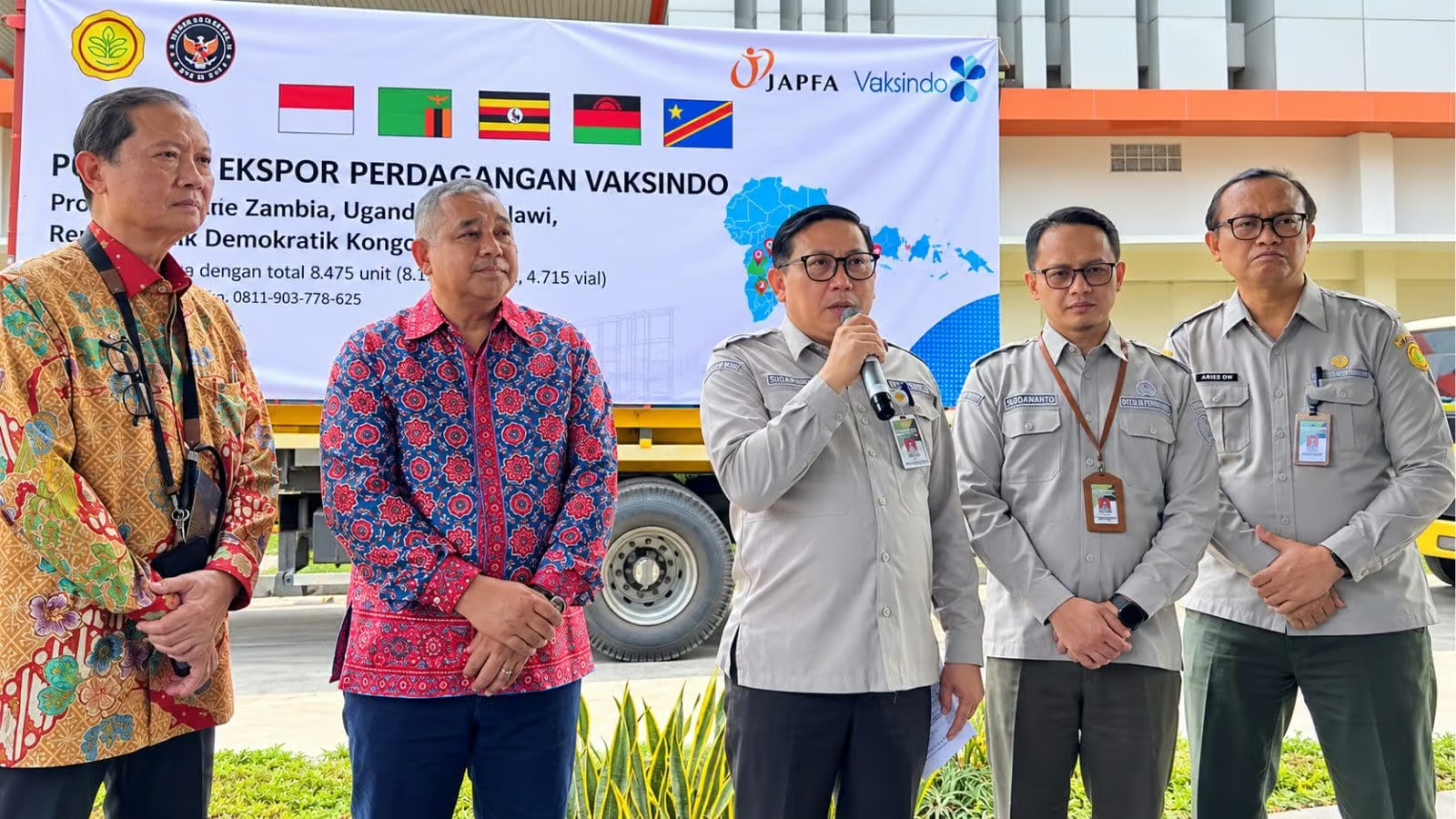
Indonesia exports 8.48M poultry vaccine doses to four African markets
The shipment covers vaccines against major poultry diseases including Newcastle disease, infectious bronchitis and infectious bursal disease.