
Animal Feed
-

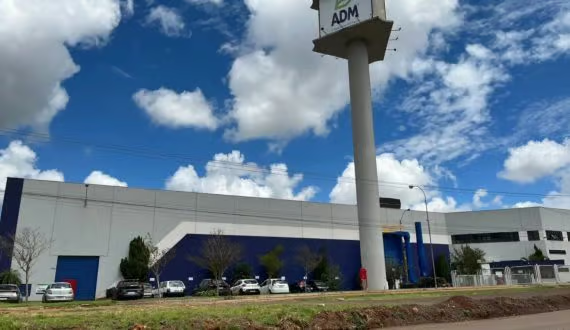
ADM opens premix plant in Brazil to boost animal nutrition capacity
Brazil produces around 30 million tonnes of meat annually, driving feed demand of approximately 85-90 million tonnes.
-
Kazakhstan feed flour exports face disruption as China enforces re-registration rules
Only 27 companies are currently listed in the Chinese supplier register, while 39 are still awaiting approval.
-
Nigeria feed project converts crop residues into commercial ruminant feed solutions
Feed accounts for 60-70% of production costs, and this approach could reduce dependence on conventional feed inputs by 30-40%.
-
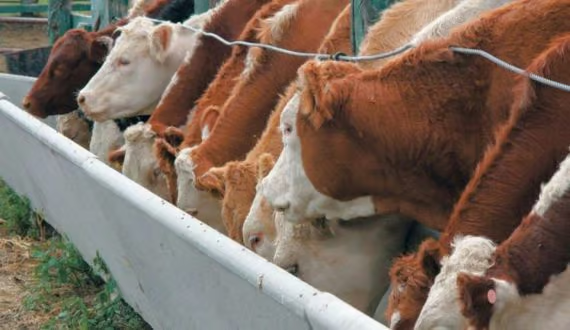
Kenya’s livestock sector growth drives feed demand as feedlot systems gain ground
Well-managed feedlots can generate annual returns of 15–25%, supported by short production cycles and rising demand for finished animals.
-
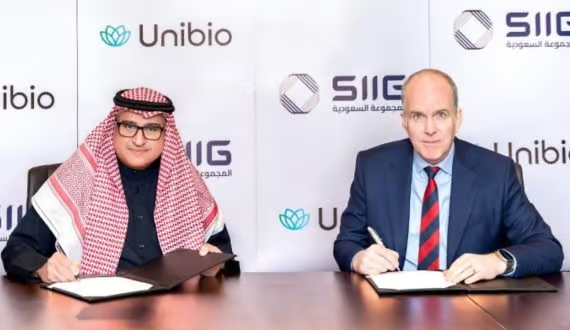
Saudi Arabia to build world’s largest single-cell protein plant to boost feed security
If scaled successfully, single-cell proteins like Uniprotein could begin to compete with traditional feed inputs such as soybean meal and fishmeal.
-
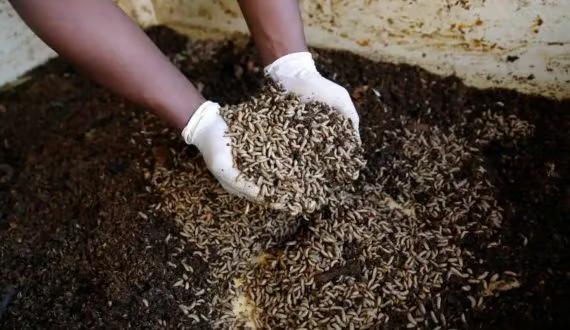
Kenya embraces Black Soldier Fly farming to cut feed costs and boost sustainability
A new approach to poultry and aquaculture feed is transforming waste into opportunity in Kenya
-
NOVUS appoints Julien Kanarek to lead global feed enzyme strategy amid portfolio expansion
The appointment comes as NOVUS strengthens its capabilities through acquisitions, partnerships and increased research activity in feed additives.
-
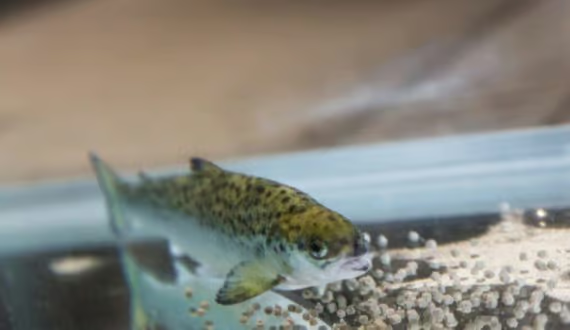
Nofima proposes new zinc delivery method to improve uptake in salmon feed
The approach involves shifting zinc supplementation from the premix stage to the coating process.
-
Blue Buffalo launches 2‑in‑1 cat food as industry embraces hybrid and premium formats
The line targets picky eaters and multi-cat households, aiming to combine convenience, nutrition, and taste in one product.
-
Burkina Faso commissions two US$2.6M fish feed plants to boost aquaculture output
The new feed plants aim to improve input availability and support the growth of a sector that has long struggled with high costs and limited infrastructure.