
Sudan removes maize import duties to ease animal feed shortage
The move targets rising feed costs as drought and conflict strain livestock production and supply chains.
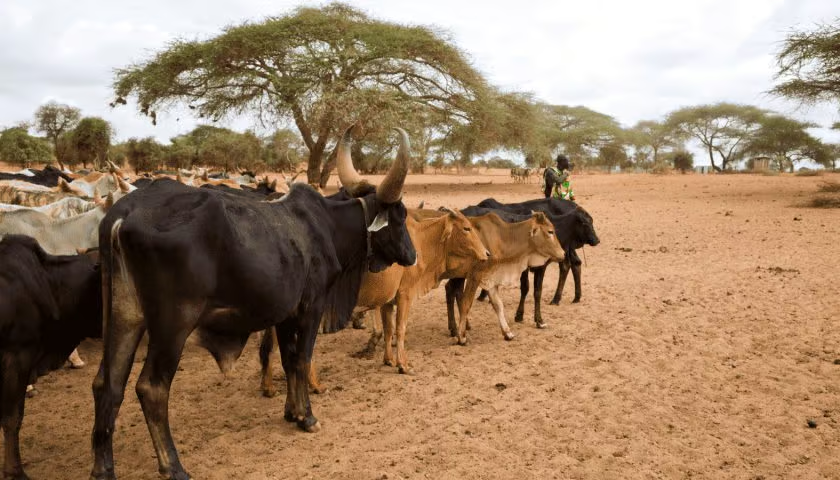
SUDAN – Sudan has exempted imported maize from customs duties and cut import duties on soybean meal as the government seeks to ease an animal feed shortage worsened by poor rainfall, conflict and rising import costs.
Prime Minister Kamil Idris issued the decision on 17 November 2026, according to the cabinet’s media office.
The exemption covers both import duty and additional duty on maize, while soybean meal is exempt from import duty. The government has not specified how long the measures will remain in place or estimated the revenue it expects to forgo.
The decision follows a 16% increase in the customs exchange rate used to value imports for duty payments, which rose to SDG6,539 per US dollar.
The Sudanese pound has also weakened towards SDG12,000 per US dollar, adding pressure to the cost of imported feed ingredients.
Feed deficit puts livestock production under pressure
Khalid al-Maqboul, deputy head of the Federation of Agricultural and Animal Production Chambers and head of the Meat Exporters’ Chamber, said the measure was timely.
He estimated Sudan’s feed deficit at approximately 14 million tonnes of dry matter even before the war and drought.

According to al-Maqboul, importing maize and soybean meal could lower production costs and reduce competition between human food and livestock for sorghum, a staple grain also widely used in poultry and livestock feeding.
He said lower feed costs could eventually ease prices for poultry, eggs, dairy products and meat.
The federation has separately asked the trade and livestock ministries to impose an urgent ban on feed exports during the current season.
The proposed restrictions would cover alfalfa, crop residues, oilseed cakes, molasses and bran. However, the government has not announced whether it will act on the request.
Drought and conflict worsen ingredient shortages
Rainfall between June and September was below average across most of Sudan’s agricultural areas.
The Food and Agriculture Organization reported that Sennar and Gedaref, which together account for about a quarter of the country’s sorghum production, received approximately 20% and 30% less rainfall than their long-term averages, respectively.
Rainfall from July to September was the lowest nationwide in more than three decades, according to US Geological Survey data cited by Reuters.
Reduced rainfall has affected both crop production and natural pasture, putting pressure on a livestock population estimated at 115 million head.
The ongoing war between the Sudanese army and the Rapid Support Forces has further disrupted supply routes, damaged slaughterhouses and quarantine facilities, and displaced workers.
The livestock sector lost more than US$1 billion in 2025, according to a central bank report cited by Al Jazeera.
Livestock remains an important source of foreign currency for Sudan, with sheep and camels exported mainly to Saudi Arabia and Egypt.
Preliminary customs data put livestock exports at about US$289 million in the first nine months of 2025.
The impact of the duty exemptions will depend on the availability and cost of imported maize and soybean meal, as well as the ability of traders to move supplies into the country.
Sign up HERE to receive our email newsletters with the latest news updates and insights from Africa and the World, and follow us on our WhatsApp channel for updates.

Be the first to leave a comment