LATEST NEWS
-

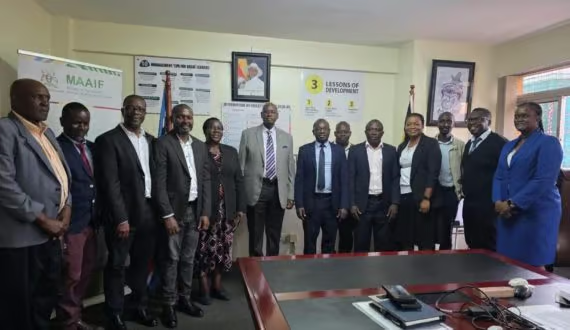
Uganda advances national feed and fodder data system to strengthen livestock sector
The national feed and fodder ecosystem addresses longstanding gaps in Uganda’s livestock sector.
-
World Bank-backed L‑PRES marks milestones as Nigeria eyes inclusive livestock growth
The initiative is expected to benefit approximately 1.43 million individuals nationwide, with at least 30% of participants being women.
-
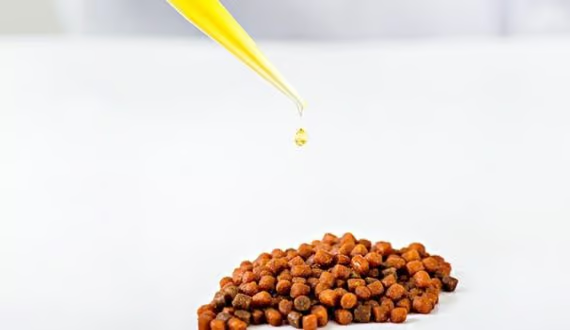
Higher omega-3 in rainbow trout boosts fillet content, Nofima reports
Unlike salmon, increasing omega-3 intake in trout doesn’t translate to better health, survival rates, or growth performance.
-
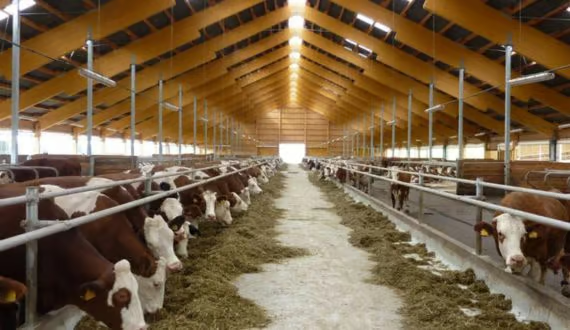
Egypt approves 294 feed formulations as livestock and feed sector receives 468 new licences
Export approvals also covered fish feed and feed additives, alongside processed and frozen poultry products including quail, duck, pigeon, and turkey.
-
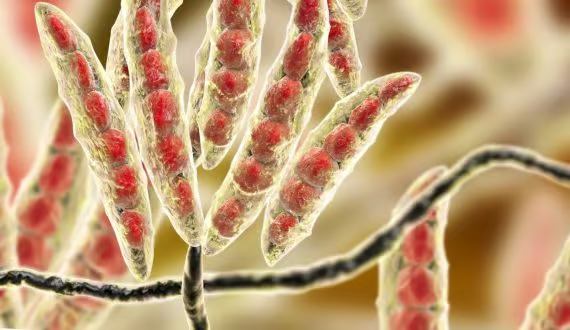
Trouw Nutrition analysis highlights persistent mycotoxin risks in global feed supply
Zearalenone (ZEN) was detected in 62% of global samples, making it one of the most prevalent mycotoxins in feed ingredients and complete feeds.
-
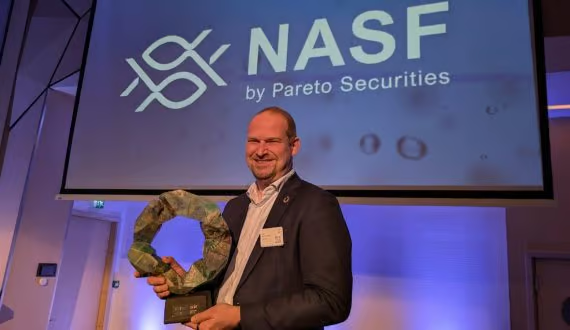
Veramaris wins NASF sustainability award for algae-based Omega-3 feed
Veramaris stood out to the jury for its innovative approach to sustainable feed production.
-
Jigawa State launches 100,000-Hectare alfalfa project to boost livestock feed and value chain
The project will generate significant employment opportunities, reduce farmer-herder conflicts, and increase access to nutrient-rich feed.
-
Guinea-Bissau bans fishmeal production to protect fish stocks and food security
The transition of the fishmeal industry from land to sea represents a significant shift in the regional “blue economy” landscape, carrying profound fiscal and environmental implications.
-
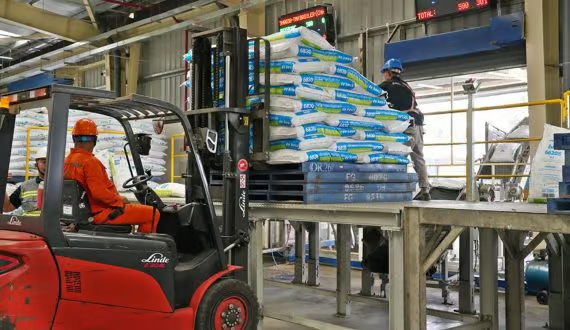
De Heus TMH, backed by ADB, strengthens Cambodia’s livestock feed supply
With ADB backing, De Heus TMH now trains 2,000 farmers and processes 18,000 tonnes of raw materials monthly to boost Cambodia’s livestock feed supply.
-
Ghana, Danish Insectum to build Africa’s first waste-to-feed facility in US$2.7M project
The facility will turn Ghana’s organic waste into protein-rich feed and fertiliser, marking a first for Africa and a boost for sustainable agriculture.