
LATEST NEWS
-

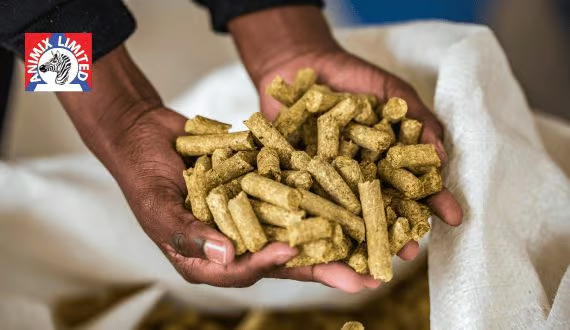
Kenya High Court orders KRA to refund US$0.16M to animal feed firm
Under Kenyan tax law, raw materials imported for animal feed manufacturing are considered taxable supplies but are subject to a 0% VAT rate.
-
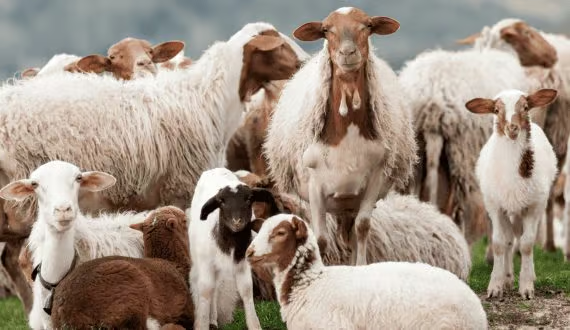
Saudi Arabia to prioritise smart farming to improve small livestock, meat production
The system identifies animals using facial features, tracks their productivity, monitors health, and stores farm records in one platform.
-
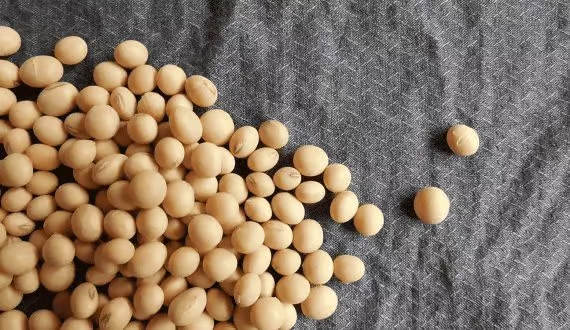
EU approves new GM soybean for food and feed use
Developed by Beijing DaBeiNong Biotechnology Co. Ltd., DBN9004 has been genetically engineered to tolerate two commonly used herbicides.
-
Wayne-Sanderson Farms unveils US$43M high-tech feed mill in Arkansas
The plant is designed to manufacture nine feed formulations tailored to meet specific nutritional needs across different stages of bird development.
-
China opens market to Ethiopian soybean meal in strategic trade shift
By reducing its reliance on traditional suppliers such as Brazil, Argentina, Russia, and Uruguay, China aims to secure more stable and diverse feed protein sources
-
Kenya implements new animal traceability system amid push to expand meat exports
Kenya eyes Libya and Nigeria as key markets; livestock tracking system to tackle cattle rustling and improve farm productivity.
-
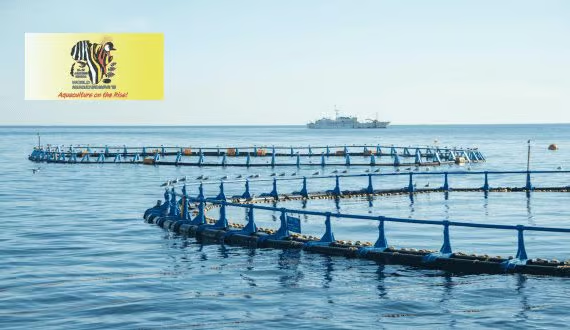
1,800+ attendees make waves at World Aquaculture Safari 2025 in Uganda
A highlight of the event was the launch of the World Bank and WWF’s landmark report, Harnessing the Waters – A Trillion Dollar Investment Opportunity in Sustainable Aquaculture.
-
Zanzibar increases taxes on imported chicken to boost local poultry production
However, Zanzibar’s poultry production is still developing, and critics argue that it cannot yet meet the demand if imports become too expensive or scarce.
-
Bird flu outbreak ravages through South African poultry again
The resurgence is expected to renew pressure on South Africa’s agricultural and veterinary systems, especially with the industry still reeling from the effects of last year’s mass culling.
-
Kenyan counties invest in poultry projects to grow local meat, egg production
The poultry sector is increasingly seen as a viable path to economic inclusion, though its long-term success may depend on consistent investment and farmer support systems.