AQUACULTURE & FISHERIES
-

Nigerian PPP launches US$6.2M aquaculture hub to boost fish production in Lagos
The hub aims to produce 50 million fingerlings, 2,000 tonnes of ready-to-eat fish, 20,000 tonnes of processed fish, and 24,000 tonnes of fish feed annually.
-
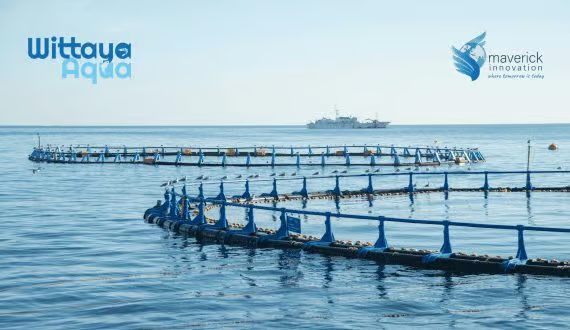
Wittaya Aqua, Maverick Innovation forge global partnership to accelerate feed ingredient innovation
This partnership is poised to empower businesses across the feed value chain with the technical, regulatory, and market intelligence needed to bring new nutritional technologies to market.
-
India bans medically important antimicrobials in aquaculture to combat public health threat
The latest directive bars the use of any antimicrobial medicinal products for growth promotion or yield enhancement in aquaculture.
-
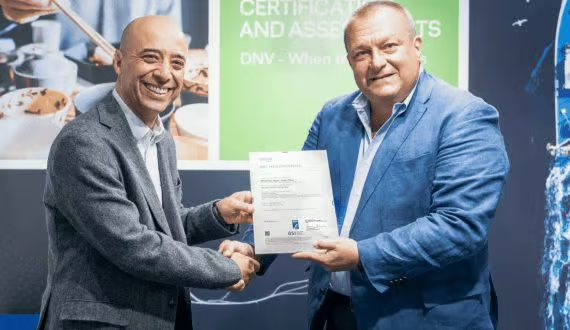
Skretting earns ASC Feed Standard Certification from DNV at Seafood Expo Global
Starting October 31, 2025, ASC-certified farms will be required to use ASC-certified feed to maintain their own certifications.
-
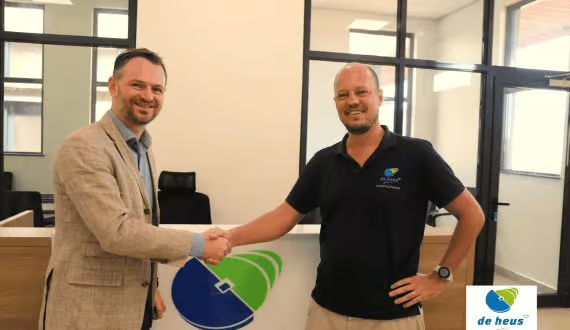
De Heus, Enabel partner to bolster Uganda’s fish industry
The partnership also complements Enabel’s ongoing work in reviewing Uganda’s Fisheries and Aquaculture regulations, a crucial step toward sustainable fishery management.
-
Uganda prepares for inaugural national aquaculture census
For years, the lack of reliable statistics has hampered effective policy planning, investment targeting, and technological innovation in the sector.
-
Zimbabwe charts a new course with landmark Fisheries and Aquaculture Bill
The bill is a direct response to gaps identified in a 2022 aquaculture value chain analysis conducted by FISH4ACP, a global aquatic value chain development initiative.
-
Cameroon commits to global fisheries transparency charter to combat illegal fishing
The agreement outlines 10 policy principles aimed at promoting vessel transparency, legal accountability, and ethical practices within global fisheries.
-
Håvard Walde appointed Skretting’s salmon operations managing director across four regions
Walde will retain his leadership of Skretting Norway until a new General Manager is appointed, ensuring continuity in one of the company’s most critical markets.
-
USGC promotes U.S. corn co-products for sustainable aquaculture at Cairo summit
The conference highlighted the growing need for sustainable, high-protein feed options to support rapidly expanding fish farming sectors in both developing and mature markets.