
AFRICAN & MIDDLE EAST NEWS
-

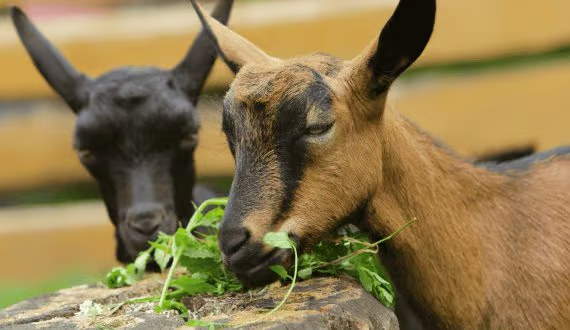
Kenya to import sheep and goat genetic material from the United Kingdom
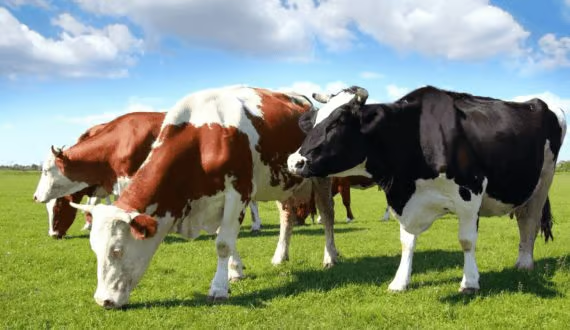
Kenya’s livestock sector currently contributes about 42% to the country’s agricultural GDP, making it one of the most vital areas of the economy.
-
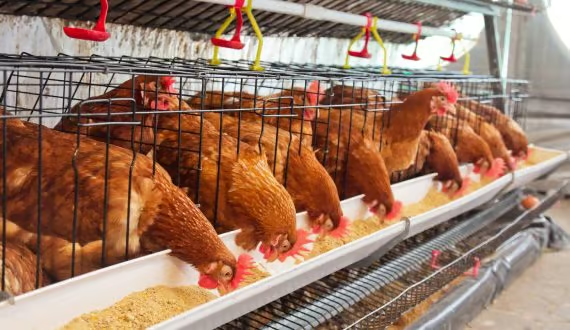
Malawi partners with AGRA to bolster poultry industry
Today, national production still falls short of demand, with chicken remaining the most consumed animal protein in the country.
-
Avenews, KMC and KLMC launch US$16M financing model to transform Kenya’s livestock sector
The livestock financing program is expected to accelerate investment in Kenya’s meat value chain, improve income stability for farmers, and contribute to sustainable, inclusive growth across the agricultural economy.
-
New facility to convert UAE’s surplus bread into sustainable animal feed
This model has already proved successful in Australia, where an existing facility has processed over 64,800 tonnes of surplus bread.
-
Oman extends poultry import ban to more European regions
The Sultanate expands restrictions following recurring animal health concerns in several countries.
-
Australia, ILRI join forces to build climate-resilient livestock systems
The initiative targets countries where livestock plays a vital role in food security but remains constrained by inefficiency and climate pressures.
-
Fourth Milling Co. invests US$70M in new flour, feed mills in Al-Kharj
Fourth Milling Co. currently has the capacity to prduce 450 tonnes of animal feed daily.
-
Stakeholders push for stronger oversight as Nigeria’s livestock industry expands
The renewed focus on sustainable livestock practices comes just months after Niger State announced a US$100 million offtake agreement with the Saudi Export and Import Bank.
-
Genome editing signals a new era in African livestock
Kenya is the the first African country to issue a regulatory determination for a heat-tolerant genome-edited cattle breed.
-
APMD strengthens coordination and investment in Kenya’s livestock value chain
Feedlot operators have concerns about high feed costs, limited access to affordable financing, and logistical bottlenecks that drive up production costs.