
AFRICAN & MIDDLE EAST NEWS
-

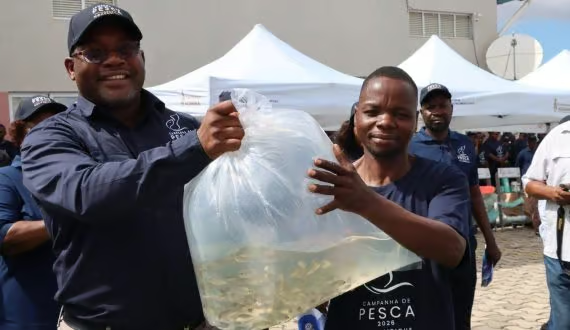
Zimbabwe launches US$5M tilapia strategy to boost production and cut fish supply gap
Zimbabwe faces a fish supply gap of about 41.7%
-
Africa Feed & Food secures US$91.3M to expand agro-industrial operations
The investment will support capacity growth in Morocco and push expansion across Sub-Saharan Africa.
-
Mozambique targets 549,533 tonnes of fish production in 2026 amid aquaculture push
This will be a 0.3% increase from the previous fishing season.
-
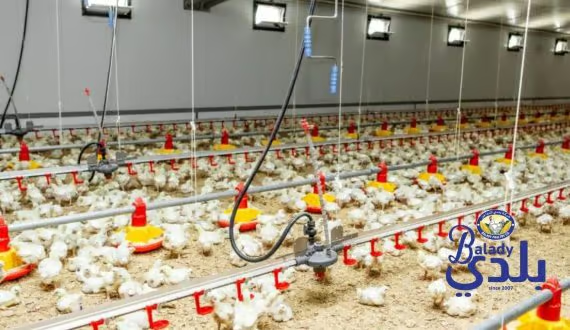
Balady Poultry commissions US$7M feed mill to boost production capacity and efficiency
The facility has entered the operational phase.
-
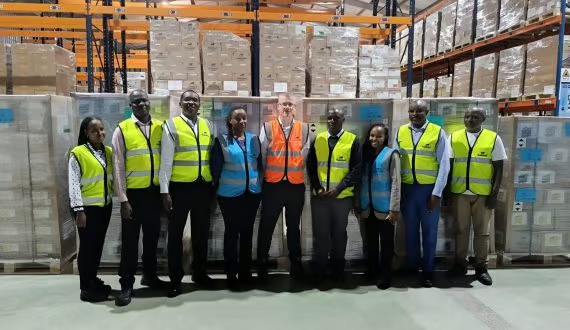
Norbrook Kenya exports veterinary medicines to MENA in first Africa-to-global shipment milestone
This milestone reflects a broader shift toward regional manufacturing of animal health products across Africa and the Middle East.
-
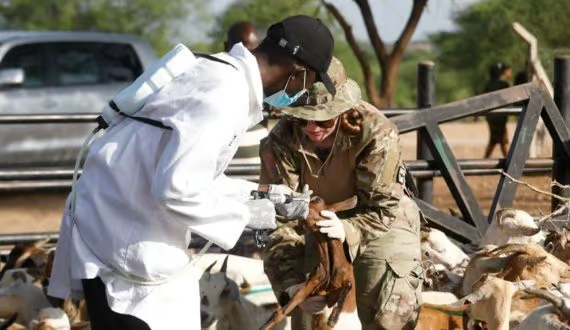
U.S., Kenyan veterinary teams deliver livestock care during Justified Accord 2026
JA26 brings U.S. and partner medical and veterinary teams together to strengthen military partnerships and boost readiness for humanitarian, crisis response, and UN/AU peacekeeping missions.
-
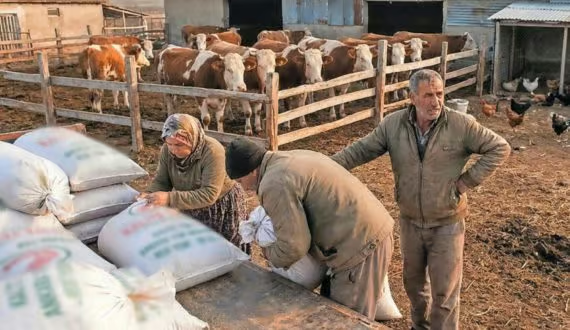
Turkey removes VAT exemptions on feed premixes as cost pressure livestock sector
Industry stakeholders say the change could raise feed costs by around 3–6%.
-
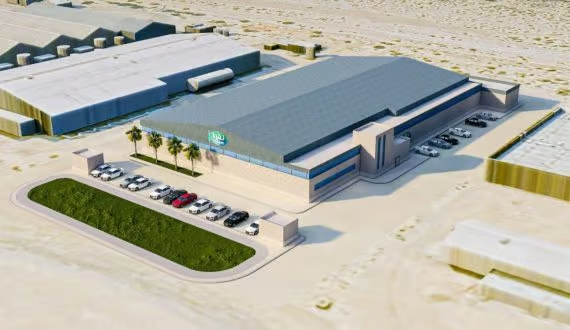
MAT-KULING advances large-scale RAS hatchery in Saudi Arabia as feed innovation accelerates
The hatchery is expected to produce up to 40 million baby fish (fry) every year.
-
Nigeria feed project converts crop residues into commercial ruminant feed solutions
Feed accounts for 60-70% of production costs, and this approach could reduce dependence on conventional feed inputs by 30-40%.
-
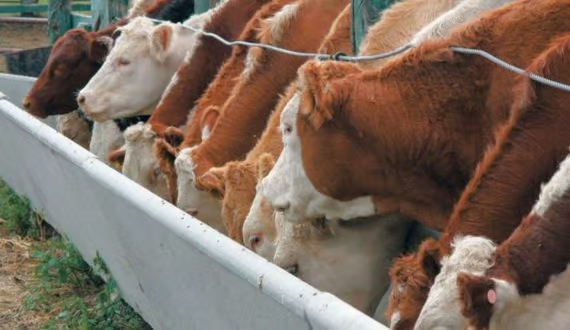
Kenya’s livestock sector growth drives feed demand as feedlot systems gain ground
Well-managed feedlots can generate annual returns of 15–25%, supported by short production cycles and rising demand for finished animals.