
AFRICAN & MIDDLE EAST NEWS
-

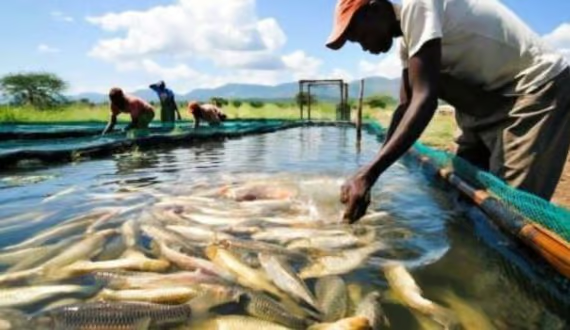
Kenya opens public consultation on fish welfare standards for aquaculture sector
The State Department is leading the Blue Economy and Fisheries process as part of broader efforts to modernise oversight of the fast-growing sector.
-
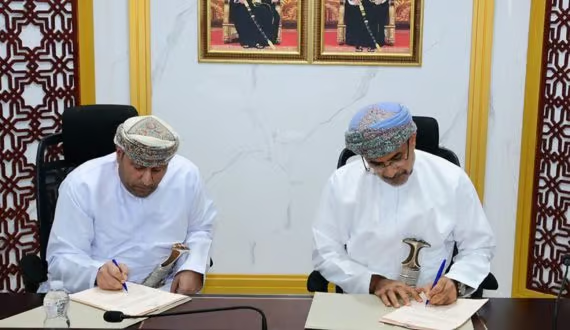
Oman rolls out US$224M food security package, backs aquaculture and feed production
In the fisheries sector, the package includes five major projects spanning algae cultivation, abalone farming and shrimp production, alongside a tuna fattening project using floating cages.
-
South Africa secures Argentina partnership to strengthen FMD response
The minister stressed that the impact of FMD extends beyond animal health, affecting livestock productivity, market access and feed demand across the value chain.
-
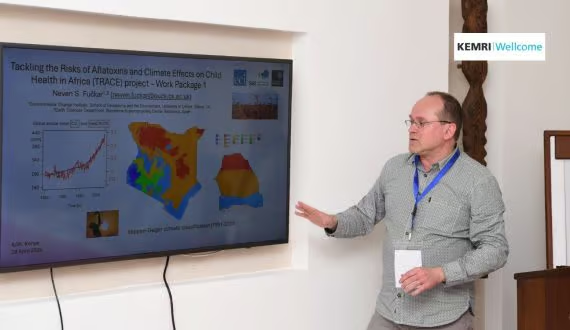
KEMRI-Wellcome-led study probes climate-driven aflatoxin risks to child health in Africa
The Wellcome Trust-funded TRACE project, led by KEMRI-Wellcome, will study how aflatoxins and climate change affect African child health.
-
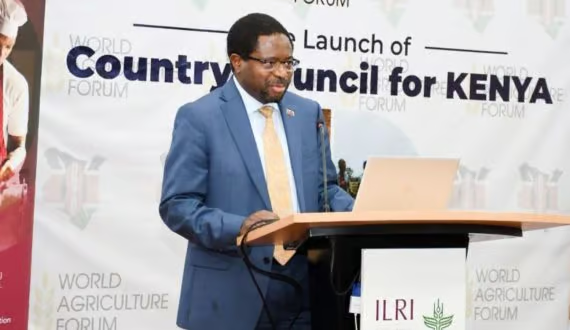
WAF launches Kenya, Nigeria councils to drive feed and agribusiness growth
The dual launch reflects a broader shift toward coordinated, innovation-led agricultural development in Africa.
-
IDMA, IAOM partner to expand milling and feed industry reach in Africa
The two industry groups aim to expand trade links, improve access to technology, and support food production systems across key markets.
-
SALIC raises Olam Agri stake to 80% in US$1.88B deal
The agreement also includes options for SALIC to acquire the remaining 19.99% stake in Olam Agri within three years, potentially giving it full ownership.
-
Cameroon, Morocco aquaculture deal targets feed, production and trade growth
Domestic production stands at roughly 250,000-300,000 tonnes, leaving a supply gap that drives imports of more than 200,000 tonnes each year.
-
Nigeria targets US$3B pastoral livestock investment as feed costs expose sector gaps
The sector supports around 75 million livelihoods and contributes roughly 5% to GDP, valued at about US$32 billion.
-
ECOWAS pushes livestock traceability systems in West Africa
Improved traceability systems are also increasingly linked to feed system efficiency, enabling better planning of feed resources, animal movement, and supply chain coordination.