
AFRICAN & MIDDLE EAST NEWS
-

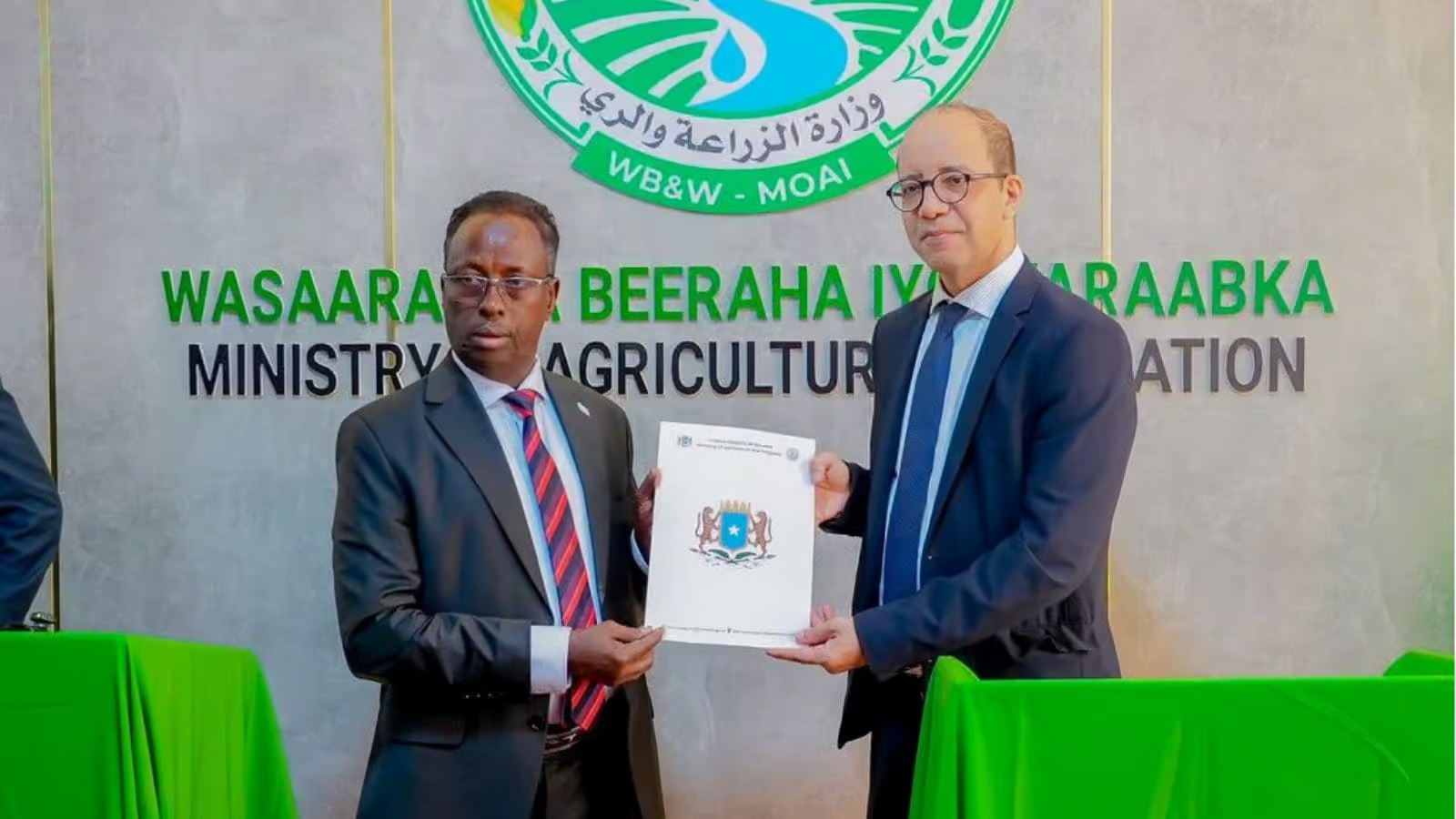
IFAD launches US$31M Somalia programme to strengthen livestock resilience
The project supports agricultural and livestock value chains, including access to feed and other inputs.
-
UAE opens pet food market to Brazilian suppliers
The development comes as the UAE continues to rely significantly on imported pet food.
-
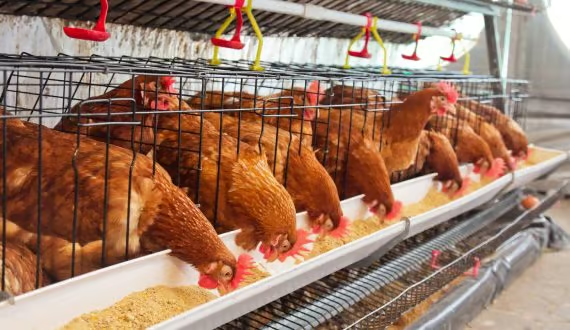
Asset Green backs US$270M Ghana poultry project as Africa agrifood investments grow
The agreement spans feed, hatcheries, farming, processing, cold chain and distribution.
-
RCL Foods earnings fall as pet food disruption, sugar imports weigh on results
RCL Foods said a Salmonella recall also disrupted pet food production, causing stock write-offs and hurting second-half earnings.
-
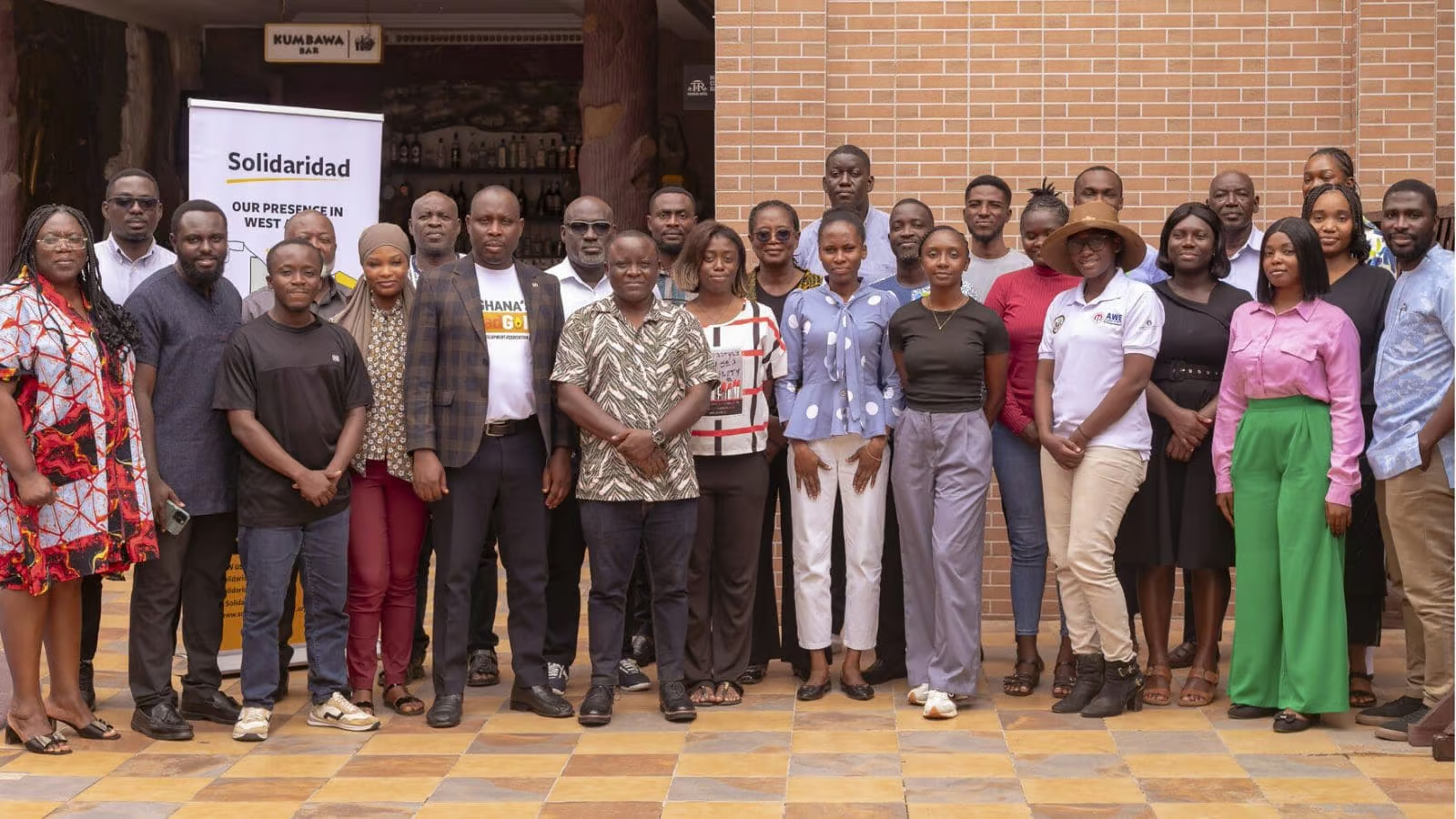
Ghana explores palm oil waste as local fish-feed ingredient
The approach could add value to palm oil processing, reduce fish oil imports and create new income for small-scale processors and millers.
-
Nigeria expands veterinary vaccine storage with 40M-dose facility
The solar-powered, off-grid facility can store about 40 million vaccine doses, helping protect them from power outages.
-
Nigeria targets 2.2M-tonne fish deficit with new production plan
High feed costs, limited access to quality fish seed and weak fish health systems are among the key barriers to aquaculture growth.
-
Kenya health experts call for One Health approach to tackle antimicrobial resistance
Scientists also warned of rising disease transmission between animals and humans linked to antimicrobial resistance.
-
Nutropia advances integrated poultry and feed ambitions in Ethiopia
The ambition highlights the need to strengthen Ethiopia’s local feed manufacturing capacity as poultry production expands.
-
Imas completes 10-tph feed mill for Agri-Milling in Zimbabwe
The project was officially opened on August 5, with representatives from Imas attending the ceremony.