

US agriculture officials seek H5N1 vaccination framework for dairy cattle
State agriculture and animal health organisations are urging USDA to introduce voluntary vaccination, beginning with a limited pilot, to strengthen efforts to control avian influenza in dairy herds.
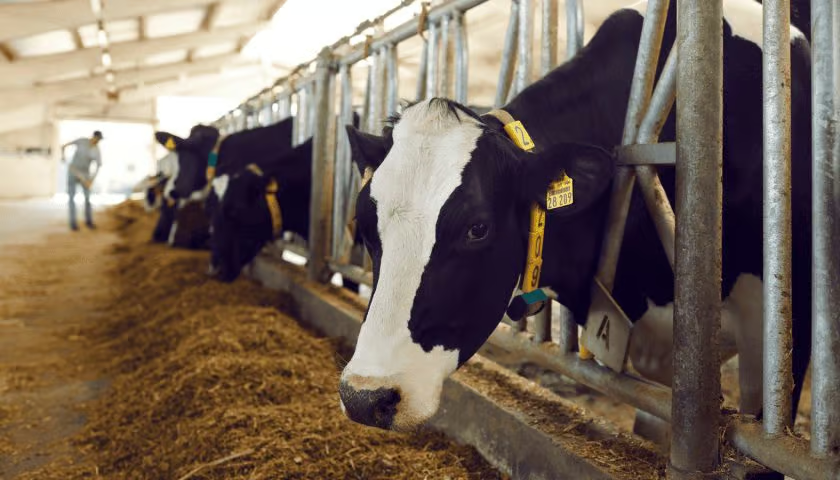
USA – US state agriculture and animal health officials have called on the US Department of Agriculture (USDA) to establish a voluntary national emergency vaccination framework for dairy cattle, proposing a limited pilot programme as part of a broader strategy to control highly pathogenic avian influenza (HPAI) H5N1.
In a letter to Agriculture Secretary Brooke Rollins, the National Association of State Departments of Agriculture (NASDA) and the National Assembly of State Animal Health Officials (NASAHO) said the continued circulation of H5N1 in dairy herds requires additional disease-control measures to limit transmission and support eradication efforts.
The organisations proposed that vaccination be introduced alongside existing measures, including disease surveillance, biosecurity, animal movement management, identification and traceability.
According to NASDA, vaccines should complement rather than replace these established controls, providing state animal health officials with an additional voluntary countermeasure to manage outbreaks.

H5N1 outbreaks increase livestock and poultry losses
The organisations highlighted the economic impact of continued H5N1 circulation across the dairy and poultry industries, including reduced milk production, animal deaths, premature culling and late-term abortions in affected cattle.
Their letter reported that, as of July 2025, at least 17 US states had experienced commercial poultry losses associated with spillover events linked to dairy operations.
It further cited 115 domestic poultry flocks infected with the B3.13 strain, resulting in the loss or depopulation of more than 36 million birds.

The outbreaks accounted for 28% of total poultry detections cited in the letter, with estimated government indemnity payments reaching US$360 million.
Some affected dairy farms have also experienced gross revenue losses of up to US$700,000, according to the organisations.
NASDA Chief Executive Officer Ted McKinney said existing surveillance measures, including the National Milk Testing Strategy and pre-movement testing, have played an important role in early disease detection.
However, he said the control strategy should extend beyond surveillance, biosecurity and movement restrictions to include veterinary countermeasures such as vaccination.
The proposed framework would give state animal health authorities another option for protecting dairy herds while supporting wider efforts to contain H5N1 across livestock and poultry production systems.
Sign up HERE to receive our email newsletters with the latest news updates and insights from Africa and the World, and follow us on our WhatsApp channel for updates.



Be the first to leave a comment